

The hardest part of the day often starts at 3 p.m. Kids walk in hungry, tired, chatty, grumpy, or all four at once, and parents are expected to somehow turn that energy into a calm evening with after school routine ideas that actually work. The best ones simply make room for what kids actually need after a long school day.
For some children, that means quiet and a snack before anyone asks a question. For others, it means movement, connection, or a quick brain break before homework. A strong routine is less about doing everything “right” and more about creating a predictable rhythm your child can count on through simple after school routine ideas.
Why after-school hours feel so messy
School asks a lot from children. They follow directions, manage transitions, sit still, solve problems, handle social stress, and keep going even when they feel overwhelmed. By the time they get home, many kids are running low on patience and self-control.
That is why afternoons can bring tears over small things, sibling arguments, or resistance to homework. It is not always defiance. Sometimes it is simply a nervous system asking for rest, food, and familiarity. When parents understand that, routines become a support instead of another battle.
Must Read: Top Indoor Activities for Kids to Spark Creativity and Fun
The best after school routine ideas start with real life
A good routine should fit your child, your schedule, and your household energy. A kindergartener who gets home at 2:30 may need a different flow than a middle schooler arriving at 4:15 with sports practice an hour later. A child with ADHD may do better with movement before homework, while another may prefer to finish assignments right away and then relax.
Start by watching what tends to go wrong. If homework always turns into a power struggle, the issue may be timing. If your child melts down before dinner, they may need a more filling snack or less stimulation after school. The most useful routines are built around those patterns.
12 after school routine ideas to try
1. Create a predictable arrival ritual
The first five minutes at home matter more than many parents realize. A simple arrival ritual helps your child shift from school mode to home mode. That might mean shoes off, backpack in the same spot, hands washed, and a quick hug or check-in.
Predictability lowers stress. When kids know what happens first, they do not have to use extra mental energy figuring out what comes next.
2. Offer a snack before expectations
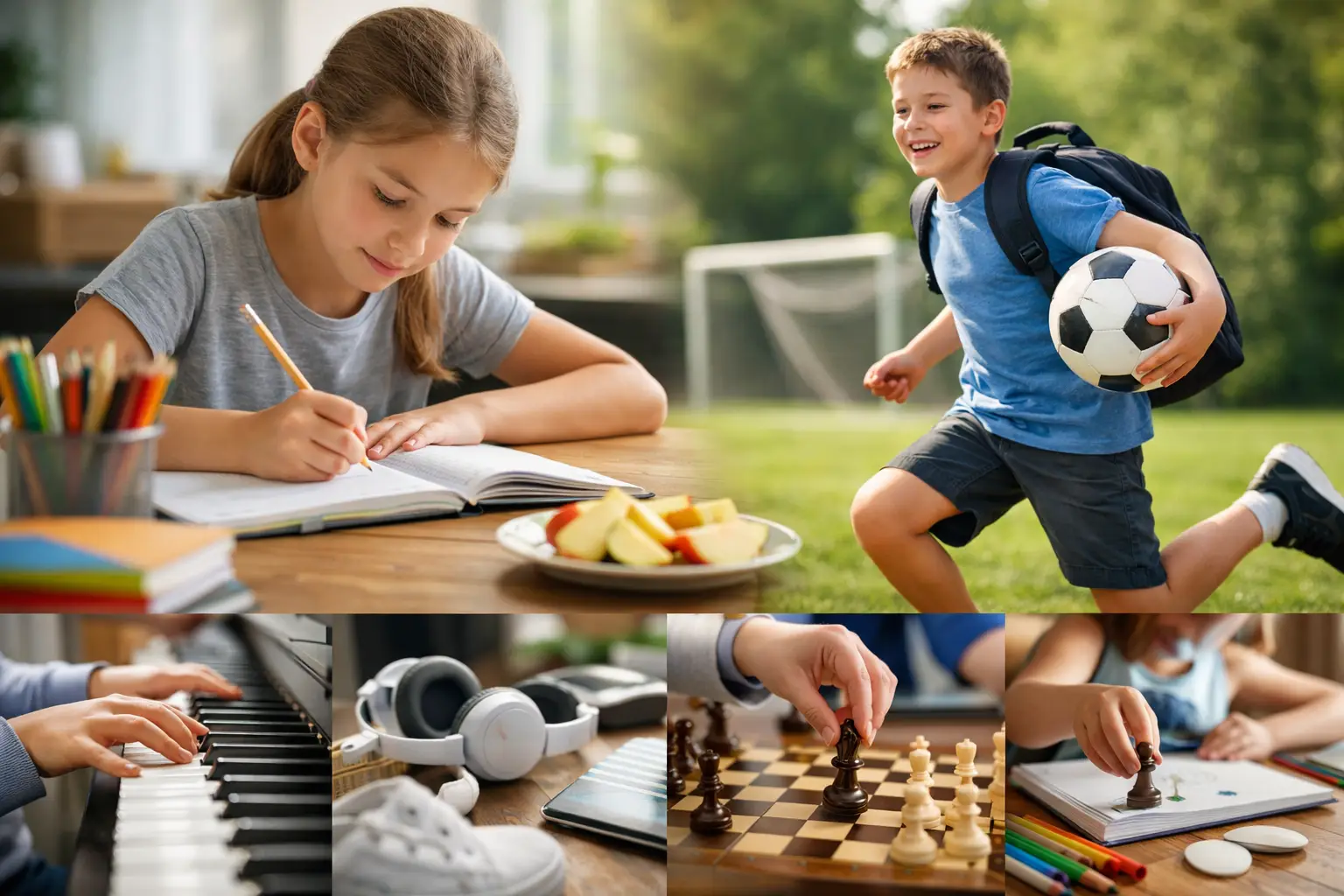
Many afternoon struggles are hunger in disguise. A balanced snack with protein and fiber can make a noticeable difference in mood and focus. Think cheese and crackers, apple slices with peanut butter, yogurt with granola, or a turkey roll-up.
If your child gets very hungry after school, try making snack part of the routine instead of waiting for them to ask. It can feel like a small thing, but it often changes the tone of the whole afternoon.
3. Build in a decompression window
Some kids need to talk the minute they walk in. Others need space. A short decompression window gives your child permission to settle before moving into the next task.
This could be 15 to 30 minutes of quiet play, drawing, reading, listening to music, or simply sitting on the couch. Screen time can fit here for some families, but it depends on your child. For some kids, screens help them unwind. For others, they make transitions harder.
4. Use a simple check-in question
Children often give very little when asked, “How was school?” A more specific question can open the door without pressure. Try asking, “What made you laugh today?” or “Was anything hard today?”
The goal is connection, not a full report. Even one meaningful answer can help your child feel seen.
5. Add movement before homework
After sitting most of the day, many kids benefit from physical activity before they try to focus again. A few minutes outside, a scooter ride, jumping on a trampoline, dancing in the living room, or walking the dog can reset energy and improve attention.
This does not need to be a full workout. Even 10 minutes of movement can help a child return to the table calmer and more ready to work.
Must Read: Indoor Activities For Toddlers That Work At Home
6. Choose a homework time that matches your child
There is no one perfect homework slot. Some kids do best getting it done early while the school mindset is still fresh. Others need a longer break first. If homework is consistently rough, experiment with timing before assuming the problem is motivation.
Keep the setup simple and consistent. A clear workspace, basic supplies nearby, and a parent checking in without hovering can reduce friction.
7. Use a visual routine chart
A visual chart can be especially helpful for younger kids and children who struggle with transitions. Seeing the order of the afternoon helps reduce repeated reminders and arguments. The chart can be as basic as snack, play, homework, chores, dinner.
Pictures work well for early readers. Older kids may prefer a checklist they can manage on their own. Either way, the goal is to make expectations visible instead of constantly verbal.
8. Keep one small chore in the routine
After-school routines are not just about getting through the afternoon. They also teach life skills. One small chore, like emptying a lunchbox, putting away shoes, feeding a pet, or setting the table, helps children contribute without feeling overloaded.
Keep it realistic. If your child is exhausted after school, this is not the best time for a long list of responsibilities.
9. Protect some unstructured time
Children do not need every minute after school planned. Unstructured time supports creativity, emotional processing, and independence. Free play, backyard time, building with blocks, or just daydreaming all have value.
If your schedule is packed with activities, this may be the first place to look when afternoons feel too tense. Sometimes a routine works better when it includes less.
10. Make transitions easier with cues
Many conflicts happen at transition points, not during the activity itself. A child may happily play outside but resist coming in for homework or dinner. Giving a five-minute warning, using the same phrase each day, or setting a timer can make those changes smoother.
Children are more cooperative when they are not surprised. Small cues can lower resistance without turning parents into constant enforcers.
11. Adjust for age and season
What works in September may not work in February. Younger children may need more hands-on guidance, while older kids often respond better when they have some say in the plan. During sports seasons or darker winter afternoons, the routine may need to shift.
A helpful routine is not rigid. It should be steady enough to feel secure and flexible enough to fit real family life.
12. End the routine by reconnecting
Afternoons often move quickly from school pickup to dinner prep and evening tasks. A brief point of reconnection can keep the routine from feeling transactional. That might be sitting together during snack, reading for 10 minutes, chatting while folding laundry, or sharing one good and one hard part of the day.
Connection does not require a big moment. Often, the small repeated ones matter most.
How to build your own after-school rhythm
If you are starting from scratch, keep it simple. Pick three anchor points instead of trying to control every minute. For example, your anchors might be snack, quiet time, and homework before dinner. Once those feel solid, you can layer in chores, playtime, or extracurricular transitions.
It also helps to involve your child. Ask what helps them feel better after school and what makes afternoons harder. Even younger children can tell you if they need time alone, a snack right away, or a few minutes to run around outside. When kids have a voice in the routine, they are often more willing to follow it.
Consistency matters, but perfection does not. There will be days when someone has a bad mood, practice runs late, or homework takes longer than expected. That does not mean the routine is failing. It just means your family is living real life.
When a routine is not working
If your afternoons still feel hard, look for the pressure point. Sometimes the routine is too packed. Sometimes it starts too soon, with kids expected to perform before they have recovered from the school day. Sometimes parents are trying to enforce a routine that works on paper but not for their child.
You may also need to consider sleep, school stress, learning differences, or sensory needs. A child who falls apart every afternoon may need more support than a better checklist can provide. In those cases, routines still help, but they work best alongside deeper understanding.
At Mom Kid Friendly, we believe routines should support family connection, not just household efficiency. The most effective after-school routine ideas are the ones that help your child feel safe, capable, and known while making your own evenings feel more manageable too.
If your afternoons have been chaotic lately, start smaller than you think you need to. One calmer arrival, one dependable snack, one smoother transition can begin to change the feel of the whole evening. Families rarely need a perfect routine. They usually just need one that feels kind enough to keep using tomorrow.
Must Read: Indoor Stuff to Do When You’re Stuck At Home With Kids
Frequently Asked Questions
What are the best after school routine ideas for kids?
The best after school routine ideas include snack time, quiet time, movement, homework, one small chore, and family connection.
Why do kids need an after-school routine?
Kids need an after-school routine because it helps them feel calm, safe, and prepared after a long school day.
How long should an after-school routine be?
An after-school routine can be as short as 30 minutes or as long as a few hours, depending on homework, activities, and family schedules.
Should kids do homework right after school?
Some kids do well with homework right away, while others need a snack, movement, or quiet time first before they can focus.
How can parents make after-school routines easier?
Parents can make routines easier by using simple steps, visual charts, timers, snack breaks, and predictable daily cues.
What should be included in an after-school routine?
A good routine can include putting away school items, eating a snack, resting, moving, doing homework, helping with chores, and reconnecting.
Can after school routine ideas help reduce tantrums?
Yes, after school routine ideas can help reduce tantrums by giving kids food, rest, movement, and clear expectations.
