

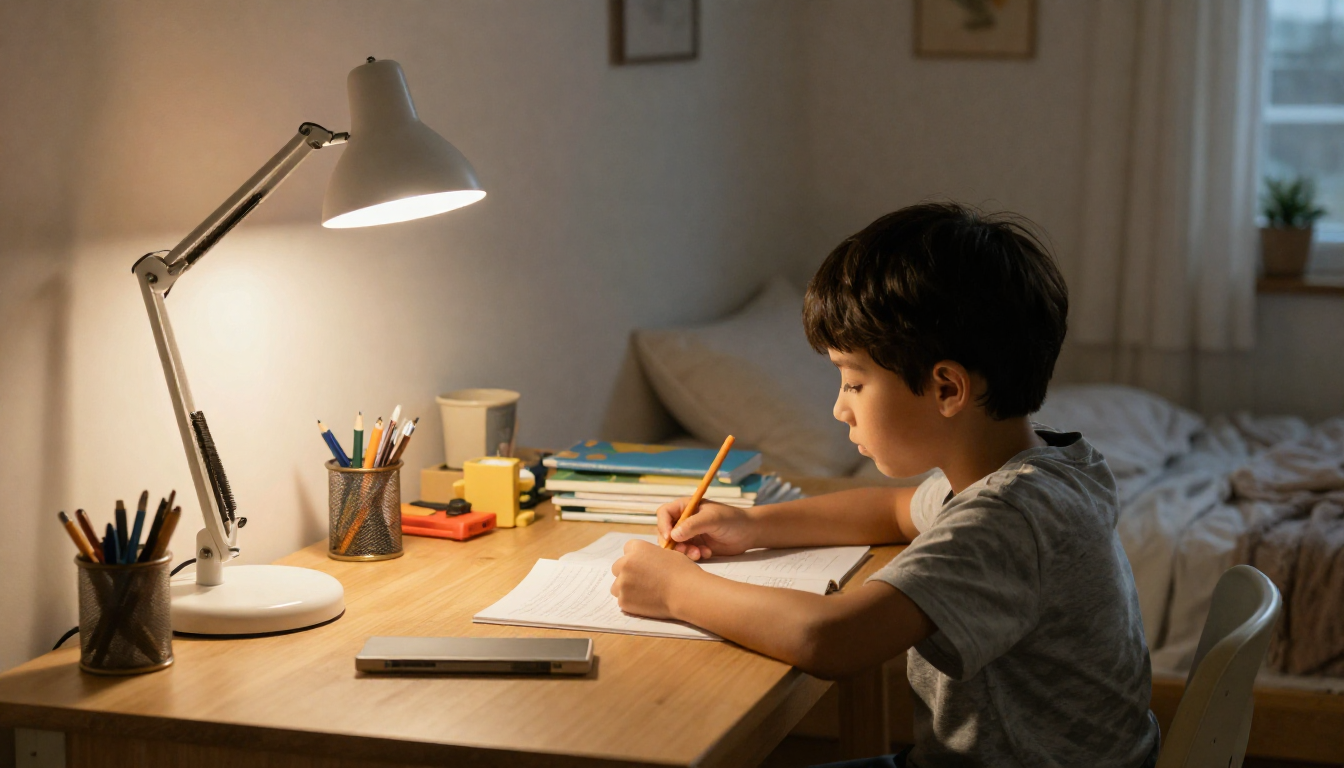
The hardest part of homework usually is not the worksheet; it is the moment your child walks in the door tired, hungry, distracted, and already done with the day. If you are trying to figure out how to create homework routines that actually work at home, the goal is not to make afternoons feel stricter. It is to make them feel more predictable, calmer, and easier for everyone.
A good homework routine gives kids fewer decisions to make when their energy is low. It also helps parents stop repeating the same reminders every day. That does not mean every afternoon will run perfectly; learning how to create homework routines means your family has a plan that makes school nights less chaotic.
Why homework routines matter more than motivation
Many parents wait for their child to get more responsible, more mature, or more motivated before expecting homework to go smoothly. In real life, routines usually come first. Children do better when they know what happens next, where to work, and what is expected of them.
This matters even more for younger kids and children who struggle with attention, transitions, or frustration. A routine lowers the mental load. Instead of arguing about when homework starts, you can point to the plan. Instead of negotiating where supplies are, your child already knows.
The biggest benefit is emotional. Homework can become a daily source of tension that follows everyone into dinner and bedtime. A steady routine helps separate the task from the conflict. It tells your child, without a lecture, that schoolwork is simply part of the rhythm of the day.
How to create homework routines that fit your real life
The best routine is not the one that looks impressive on paper. It is the one your family can follow on a regular Tuesday.
Start by looking at your child’s natural energy patterns. Some kids need a full break after school with a snack, movement, and time to decompress. Others do better if they sit down before they lose focus completely. There is no single right answer here. A child who is mentally drained may need 30 minutes off. A child who tends to avoid homework may need a shorter transition so the task does not grow bigger in their mind.
Think through your afternoon honestly. If there are sports practices, sibling pickups, or a parent working from home, your homework routine has to work around those realities. Sometimes the ideal plan is not possible, and that is fine. A reliable routine at 5:30 p.m. is better than a perfect one at 3:30 p.m. that never happens.
Must Read: Top Art Supplies for Kids to Boost Creativity and Fun
Build the routine around a few clear steps
Children do best when the routine is simple enough to remember. For many families, that looks like coming home, having a snack, taking a short break, starting homework in the same spot, and checking finished work before putting it away.
What matters is consistency. If homework happens after TV one day, before dinner the next, and in the car after practice on another day, kids have to reset expectations every time. That constant shifting invites pushback. A repeatable order makes afternoons feel easier because everyone knows the sequence.
You do not need a complicated chart unless your child responds well to visual supports. Sometimes a short phrase works just as well: snack, reset, homework, play. For older kids, a written checklist on the fridge or in a planner may feel more age-appropriate.
Choose a homework space that reduces friction
A dedicated homework area can help, but it does not have to be a picture-perfect desk in a quiet room. Many children work just fine at the kitchen table. The better question is whether the space helps your child focus.
Try to keep the area stocked with the basics your child often needs, like pencils, paper, chargers, and folders. Small barriers can derail the whole session. If your child gets up three times to look for supplies, homework quickly turns into wandering.
It also helps to notice what kind of environment supports your child best. Some kids need near silence. Others focus better with a little background noise and a parent nearby. Younger children often work longer when an adult is present, even if that adult is simply paying bills at the same table.
Make transitions easier after school
The after-school window can feel especially tricky because kids are carrying the weight of the whole school day. Hunger, overstimulation, and pent-up energy often show up right when you want cooperation.
That is why a short transition matters. A snack, a few minutes outside, or even ten minutes to talk about the day can help your child settle. This is not wasted time. It is often what makes homework possible.
At the same time, be careful not to let the transition stretch so long that getting started becomes a battle. Screens are especially tough here. For many children, turning a screen off to begin homework feels much harder than starting homework right after a snack or break. If screens tend to derail your afternoons, it may help to save them for after schoolwork is done.
Must Read: Outdoor Activities for Kids That Build Memories
Adjust your support based on your child’s age
One reason homework routines fall apart is that parents either do too much or step back too soon. The right level of support changes over time.
Younger elementary students usually need more direct guidance. They may need help unpacking their folder, reading directions, or staying with one task long enough to finish it. The routine should feel hands-on and concrete.
Older elementary kids may still need supervision, but they can start taking ownership of parts of the process. They might gather supplies, check assignments, and put completed work back in their backpack on their own.
Middle schoolers often want more independence, but that does not mean they need no structure. They still benefit from a regular homework time, a consistent workspace, and a quick check-in. Independence grows best when it is supported, not assumed.
What to do when your child resists every step
Resistance does not always mean laziness. Sometimes it points to a mismatch in the routine. The work may be too hard, your child may be exhausted, or the expectations may be too vague.
If homework is a daily struggle, start by narrowing the problem. Is your child resisting the start, getting stuck in the middle, or melting down at the end? A child who avoids starting may need a simpler first step, such as opening the backpack and choosing one assignment. A child who loses steam halfway through may need a timed break. A child who falls apart at difficult work may need teacher communication, not more pressure at home.
Keep your language calm and predictable. Repeating long explanations usually adds heat without adding clarity. Short reminders work better: First homework, then free time. Start with the easiest one. I’ll stay nearby if you need help.
Use routines to teach skills, not just finish assignments
Homework time is not only about getting through tonight’s work. It is also a chance to build planning, persistence, and self-management.
That means it can be helpful to include a few small habits in your routine. Ask your child to check for missing assignments before they begin. Encourage them to estimate how long each task will take. Show them how to break larger projects into smaller steps. These habits matter more as children get older, and they are easier to learn when they are practiced consistently.
It also helps to praise process instead of only completion. Notice when your child gets started without arguing, sticks with a hard assignment, or remembers to pack finished work. Those small wins are the foundation of long-term independence.
When your routine needs to change
Even the best homework routine will need updates. A routine that worked in second grade may not fit a child in sixth grade. Sports seasons change, homework volume increases, and children’s attention spans shift.
If your current plan is not working, that does not mean you failed. It usually means something in your family rhythm has changed. Take a week to observe what is happening. Is homework starting too late? Is your child hungry and fading? Is the space too distracting now that a younger sibling is home? Small adjustments often solve what feels like a big problem.
At Mom Kid Friendly, we know parents are rarely struggling because they do not care enough. More often, they are trying to make a routine work in a full, noisy, very real home. Give yourself room to simplify.
Must Read: Indoor Stuff to Do When You’re Stuck At Home With Kids
How to create homework routines with less stress for parents too
Parents need a routine that protects their energy as much as their child’s. If homework time turns you into the family nag every day, the system needs support.
Try to rely on external cues instead of constant verbal reminders. A written checklist, a set homework time, or a timer can carry some of the load. You do not have to personally drive every step.
It is also okay to decide what matters most. Some children need perfect neatness and complete silence to do their best. Others can finish solid work at a busy table while a sibling colors nearby. Not every family can create the same homework environment, and that does not mean your child cannot succeed.
A workable homework routine is not about controlling every afternoon. It is about creating enough structure that your child knows what to do, and enough flexibility that real family life can still happen. When the routine feels steady, homework stops taking over the whole evening, and that shift alone can make home feel lighter.
Frequently Asked Questions
How do I create a homework routine that actually works?
Start with a consistent time and place each day so your child knows what to expect. Keep the steps simple and repeatable. Over time, adjust the routine based on when your child focuses best.
What time of day is best for homework?
Many children focus better after a short break and snack rather than immediately after school. Some families prefer afternoons, while others succeed after dinner. Watch for the time when your child feels calm and least overwhelmed.
What should a homework routine include?
A good routine usually includes a short transition period, a snack, a consistent workspace, and a clear beginning and ending point. Some families also use checklists to keep kids organized.
How do I stop daily homework battles?
Reduce the number of decisions your child has to make by setting the order, time, and location ahead of time. When the routine becomes predictable, there is usually less room for arguments.
How long should homework routines take?
Keep expectations age-appropriate. Younger children may only need 10 to 20 minutes, while older students will naturally need more time. The routine should feel manageable, not like a second school day.
How long does it take for a new homework routine to feel normal?
Most families need a couple of weeks before a new routine starts feeling natural. Expect some resistance at first, especially if afternoons used to be unstructured. Consistency is what helps the routine stick.
