

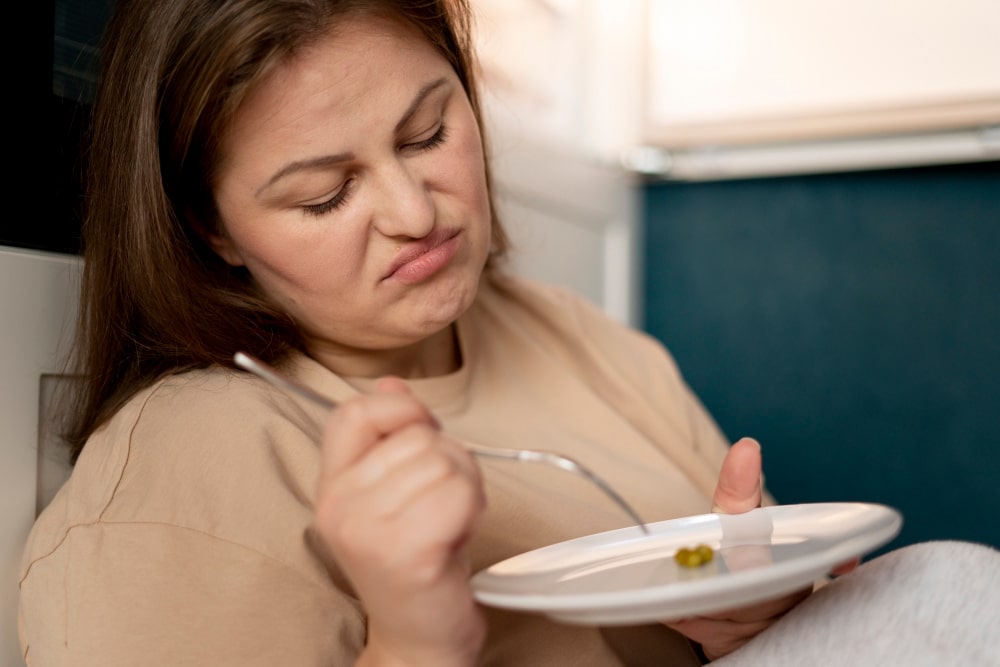
Are you experiencing a lack of appetite after giving birth? You’re not alone. Many women experience changes in their appetite during the postpartum period. While it’s common to have fluctuations in appetite, a prolonged lack of appetite can be a cause for concern.
In this article, we will discuss the causes, symptoms, and treatment options for lack of appetite postpartum. I’m sure as a new mom, you have many questions and concerns about your health and well-being. I hope to provide you with helpful information that will guide you on your postpartum journey.
Causes of Lack of Appetite Postpartum
There are several reasons why a woman may experience a lack of appetite after giving birth. These include hormonal changes, physical discomfort, and emotional stress. Let’s explore these possible causes in greater detail:
- Hormonal Changes: During pregnancy, the body experiences significant hormonal shifts to support the growing baby. After giving birth, these hormones rapidly change back to their pre-pregnancy levels. These sudden fluctuations can affect appetite and cause a decrease in hunger.
- Physical Discomfort: The postpartum period is often accompanied by physical discomfort such as soreness from childbirth, stitches or incisions from a C-section, and breast engorgement if breastfeeding. These discomforts can make it difficult to feel hungry or have the desire to eat.
- Emotional Stress: Giving birth and becoming a new mom can be emotionally taxing and overwhelming. Stress and exhaustion can also affect appetite and make it difficult to eat as usual.
- Lack of Time: Taking care of a newborn is a full-time job, leaving little time for self-care activities like eating regular meals. Many new moms find themselves constantly tending to their baby’s needs, resulting in missed or skipped meals.
- Fatigue: Sleep deprivation is a common experience for new mothers, which can lead to fatigue and low energy levels. This can decrease the motivation to prepare and eat nutritious meals.
- Postpartum Depression: Approximately 1 in 7 new mothers experience postpartum depression, a mood disorder that can make it challenging to engage in daily tasks, including eating. Women with postpartum depression may experience changes in appetite and have difficulty finding pleasure in food.
As you can see, there are many factors that can contribute to poor nutrition in new mothers. But new mothers should prioritize their nutrition and overall health to properly care for themselves and their newborn baby.
You may also like: Can I Take Pre Workout While Breastfeeding?
Symptoms of Lack of Appetite Postpartum
If you’re unsure whether you’re experiencing a lack of appetite postpartum, there are some common signs to watch for:
- Not Feeling Hungry: You rarely, if ever, feel hunger, even when you know you haven’t eaten for hours.
- Skipping Meals: You find yourself forgetting or intentionally skipping meals throughout the day.
- Eating Less than Usual: When you do eat, your portions are much smaller than before pregnancy.
- Rapid Weight Loss: You notice a drop in weight without trying or exercising regularly.
- Low Energy Levels: You feel run down or exhausted, possibly related to not eating enough.
- Mood Changes: Irritability, sadness, or anxiety can stem from poor nutrition.
- Digestive Upset: Nausea, stomach pains, or discomfort after eating.
If these symptoms continue for more than a week or two it’s important to talk to your healthcare provider.
When to Be Concerned
While many moms will notice a drop in appetite due to busy schedules or recovery, prolonged lack of appetite postpartum can impact your recovery and your ability to care for your baby. Especially if you’re breastfeeding, your body requires plenty of nutrients and calories. Watch for these warning signs:
- Dizziness or fainting
- Ongoing nausea or vomiting
- Signs of dehydration (dark urine, dry mouth, or lightheadedness)
- Difficulty caring for your baby or yourself due to low energy
If you notice these symptoms, consult a medical professional without delay.. Your doctor can help rule out underlying issues, such as thyroid imbalances, postpartum depression, or infections.
Tips to Boost Your Appetite After Birth
Here are some simple, practical ways to encourage healthy eating and support recovery:
- Eat Small Meals Often: Instead of three large meals, eat five to six small snacks throughout the day to ensure your calorie intake is adequate.
- Choose Nutrient-Dense Foods: Opt for foods rich in protein, healthy fats, whole grains, and plenty of fruits and veggies.
- Stay Hydrated: Sometimes thirst can mask itself as a lack of appetite. Stay hydrated by drinking plenty of water, particularly if you are breastfeeding.
- Ask for Help: Don’t hesitate to ask friends or family for help with meal prep, or consider healthy meal delivery services.
- Set Reminders: Use your phone to remind you to eat at regular intervals.
- Make Eating Enjoyable: Try to eat with others or while listening to music to create a positive environment.
Treatment for Lack of Appetite Postpartum
Treatment depends on the underlying cause. Here’s how to address some of the most common reasons:
- Emotional Support: If you’re struggling with your mental health, talk to your healthcare provider. Treatment for postpartum depression or anxiety may include therapy, support groups, or medication.
- Pain Relief: Address physical pain by following your doctor’s recovery plan. Over-the-counter medications, rest, and proper wound care can ease discomfort and make eating easier.
- Routine Adjustments: Prioritize self-care and schedule short breaks for nutrition, even when your days feel hectic.
My Experience
During my postpartum period, I struggled with loss of appetite and it was a challenging experience. As a new mom, I was constantly exhausted and overwhelmed, making it difficult for me to prioritize eating. In addition, breastfeeding also made me feel like I needed to eat more, but the thought of food just didn’t appeal to me.
I found myself constantly trying to force myself to eat just for the sake of nourishing my body and helping maintain my milk supply. However, forcing myself to eat only resulted in feeling even more nauseous and uninterested in food.
It wasn’t until I spoke with my healthcare provider that I learned this is common for breastfeeding mothers. She assured me that eating a balanced diet and staying hydrated would still provide my baby with the necessary nutrients.
Read More: Does Your Newborn Need Vision Insurance?
Final Thoughts
A lack of appetite postpartum is common, but it shouldn’t be ignored. Nourishing your body helps you heal, keeps your energy up, and supports both you and your baby’s well-being.
If you continue to experience a lack of appetite postpartum, seek advice from a healthcare professional to ensure you get the support you need. Remember to listen to your body and prioritize self-care, even during busy times.
With patience and proper nourishment, you will be able to regain a healthy appetite and enjoy the benefits of postpartum recovery fully.
Frequently Asked Questions
How long does it take to regain my appetite postpartum?
The time it takes for your appetite to return to normal may vary from person to person. Based on my experience and research, the process can range from a few weeks to several months.
Can breastfeeding affect my appetite postpartum?
Yes, breastfeeding can cause increased hunger and thirst due to the extra energy needed for milk production. However, if you are experiencing a lack of appetite while breastfeeding, consult with a lactation consultant or healthcare provider for support.
Are there any natural remedies that can help improve my appetite postpartum?
Eating small, frequent meals throughout the day and staying hydrated can help stimulate your appetite. Incorporating nutrient-dense foods such as fruits, vegetables, lean protein, and healthy fats can also help improve your appetite.
Is it normal to experience a decreased appetite after giving birth?
Yes, it is common for some individuals to experience a reduced appetite after giving birth. Hormonal changes, physical recovery, and fatigue can all contribute to a lack of appetite.
