

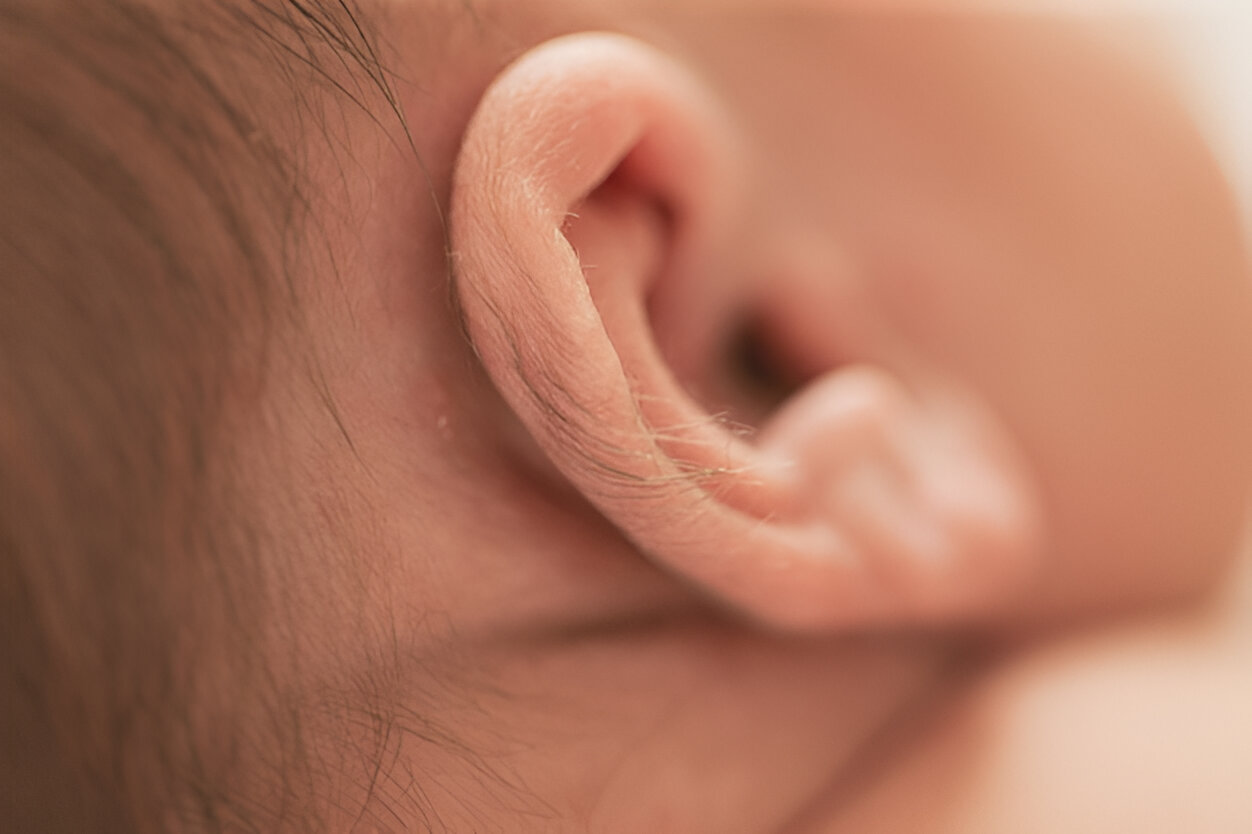
Have you just brought your newborn home from the hospital and noticed a lump behind their ear? As a new parent, it can be quite alarming to see any changes or abnormalities in your baby’s body. However, this particular lump is a common occurrence in newborns and is usually nothing to worry about.
I’ve seen many newborns develop lumps behind their ears during my years as a pediatric nurse. Today, I’ll guide you through the various causes of this lump, how to treat it, and steps you can take to prevent it from happening in the future.
Causes of Lumps Behind the Newborn’s Ear
There are several possible causes for a lump behind the ear in newborns. Some of the most common include:
- Lymph Nodes: The lymph nodes are part of the body’s immune system and help fight off infections. They are located throughout the body, including behind the ears. If your newborn has a cold or other infection, the lymph nodes behind their ear may become enlarged and feel like a lump.
- Blocked Salivary Gland: The salivary glands in the neck can sometimes become blocked, causing a lump to form. This is usually harmless and will often resolve on its own. However, if the lump persists or becomes painful, it’s important to have a doctor examine it.
- Cyst: A cyst is a fluid-filled sac that can form anywhere in the body. In newborns, they may appear behind the ear and feel like a small lump. Most cysts are harmless, but they may need to be drained or removed if they become infected or bothersome. But if the cyst grows or becomes infected, medical attention may be necessary.
Other causes of lumps behind the Newborns ears include:
- Lymphadenitis
- Hematoma
These conditions are less common but can still occur in newborns. Lymphadenitis is the inflammation of a lymph node, usually caused by an infection. Hematoma is a collection of blood that forms under the skin, typically due to trauma or injury.
If you notice any unusual lumps behind your newborn’s ear, it’s essential to bring it to your pediatrician’s attention. They will be able to assess the lump and determine if any medical intervention is necessary.
Also need: Lack of Appetite Postpartum: Causes, Symptoms, and Treatment
Symptoms to Watch For
Lump behind newborns ear can look different from case to case. Most lumps behind a newborn’s ear are soft, movable, and painless. However, it’s important to pay close attention to any changes in the lump or your baby’s behavior. Here are some signs that may need extra attention:
- Redness, warmth, or swelling around the lump
- The lump gets bigger or becomes hard
- Your baby seems fussy, develops a fever, or stops feeding well
- Skin changes or discharge near the lump
If you notice any of these symptoms in your baby, it’s important to consult a doctor for further evaluation and treatment if necessary.
When to See a Doctor
Most of the time, a lump behind newborns ear is benign and will go away on its own. However, you should seek professional advice if:
- The lump is painful or your baby is very irritable
- There is rapid growth or changes in color
- Your baby develops other symptoms such as fever or trouble feeding
- The lump lasts longer than a few weeks
Preventing Lumps Behind Newborns Ears
Timely medical consultation helps in ruling out any serious cause and gives you peace of mind.
Treatment Options
Treatment for a lump behind newborns ear depends on the underlying cause:
- Enlarged Lymph Nodes: If the cause is a mild infection, lymph nodes will often return to normal without any special treatment. Your doctor may suggest watchful waiting.
- Cysts: Small, harmless cysts usually do not require removal. If a cyst becomes infected or increases in size, your doctor may recommend minor procedures or, if needed, antibiotics.
- Blocked Salivary Gland: Gentle massages and warm compresses can sometimes help open up the blockage. If the lump does not go away, consult with your pediatrician.
- Hematomas or Lymphadenitis: Treatment often involves addressing any underlying infection or injury. Antibiotics may be needed for infections, while hematomas typically resolve on their own over time.
Never attempt to squeeze or pop a lump behind your newborn’s ear at home. Always follow your doctor’s advice for the safest results.
Prevention Tips
While not all lumps behind newborns ear can be prevented, there are steps you can take to lessen your baby’s risk:
- Keep your baby’s environment clean to prevent infections.
- Ensure gentle handling to avoid accidental bumps and trauma.
- Regularly check for any unusual changes during bath time or diaper changes.
- Keep up with routine pediatric check-ups, as early detection leads to easier management.
Home Remedies
While it is essential to consult a healthcare professional for any lump behind your newborn’s ear, some gentle home remedies may provide comfort as you await medical advice. Here are a few suggestions:
- Warm Compress: Applying a soft, warm compress to the area may help reduce discomfort and improve circulation. Ensure the compress is lukewarm and test it on your own skin before applying it to your baby.
- Gentle Massage: A light massage around the area, rather than directly on the lump, may help ease tension and promote blood flow.
- Monitor and Keep Clean: Keep the area clean and dry to prevent infections, and monitor the lump closely for changes in size, color, or tenderness.
- Breast Milk Application: If you are breastfeeding, applying a small amount of breast milk to the area may help promote healing due to its natural antibacterial properties.
- Aloe Vera: Aloe Vera gel is known for its healing properties and can be applied topically to the lump. Make sure to use a pure, organic form.
Remember, these remedies are meant only to provide temporary comfort and should not replace professional medical care.
Final Thoughts
Discovering a lump behind newborns ear can be stressful, but most causes are harmless and resolve on their own. Stay observant, trust your instincts as a parent, and reach out to your pediatrician with any concerns. Proper care and regular monitoring will help keep your little one healthy and thriving.
Remember, your child’s wellness is always the top priority. If you’re ever in doubt, it’s better to ask your healthcare provider for reassurance.
Frequently Asked Questions
How can I tell if the lump behind my newborn’s ear is something serious?
If the lump is hard and doesn’t move easily, grows rapidly, or causes discomfort to your baby, then it may be something serious.
My newborn seems to have a slight fever, should I be worried?
If your newborn has a temperature above 100.4°F (38°C), you should contact your pediatrician immediately. Newborns are more vulnerable to infections, and fevers can be a sign of an underlying issue that needs medical attention.
Can a lump behind the ear disappear on its own?
Yes, in some cases, lumps behind the ear can resolve on their own, particularly if caused by mildly swollen lymph nodes due to a minor infection. However, always monitor the condition and seek medical guidance if there are any concerns.
Is surgery always necessary for childhood ear infections?
Not necessarily. While some severe or recurring ear infections may require surgery, most cases can be managed with antibiotics and proper care.
Must Reading: Why Does My Baby Hate Tummy Time?
