
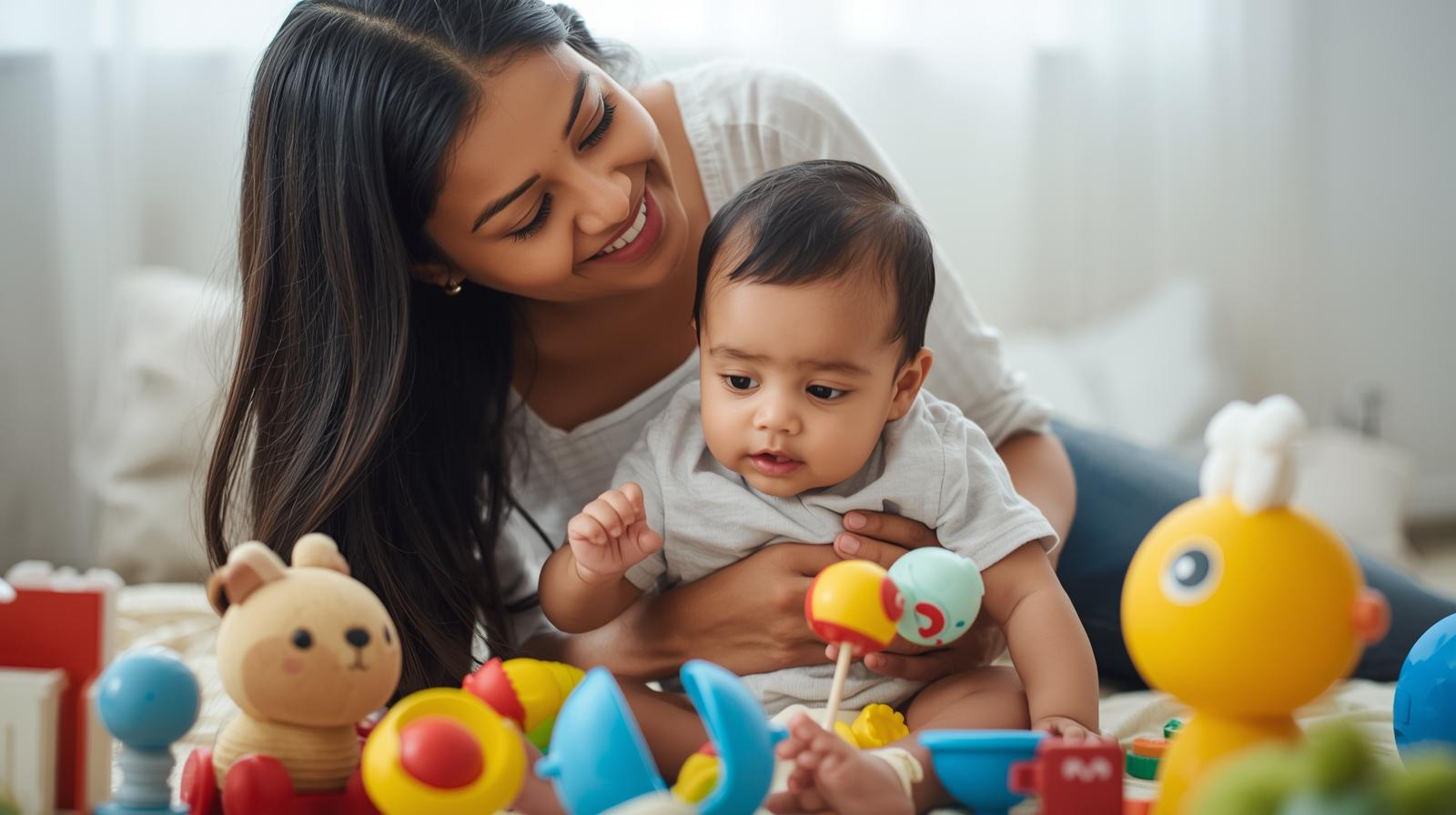
Some days, the fastest way to turn cranky energy into calm focus is not a new toy or a perfectly planned craft. It is a bin of rice, a bowl of soapy water, or a strip of painter’s tape on the floor. The best sensory play ideas often look incredibly simple, but they can do a lot of heavy lifting for busy parents and growing kids.
Sensory play gives children a chance to explore through touch, movement, sound, sight, and even smell in a hands-on way. For babies and toddlers, that kind of play supports early brain development and body awareness. For preschoolers and school-age kids, it can help with emotional regulation, creativity, attention, and confidence, which is why many parents rely on the best sensory play ideas.
The key is choosing ideas that fit your child’s age, your bandwidth, and your cleanup tolerance. Not every family wants glitter on the floor or dyed pasta in the carpet, and that is completely fair. Good sensory play should feel supportive, not like one more thing to manage.
What makes the best sensory play ideas work
The best sensory play ideas invite children to do more than just watch. They squeeze, scoop, pour, stir, sort, dig, splash, stack, and notice. That active involvement matters because sensory input helps children make sense of the world around them.
It also helps to remember that sensory play does not need to be messy to be effective. Some children love wet, squishy textures. Others avoid them and do better with dry materials, movement-based play, or calming visual activities. If your child resists one type of sensory setup, it does not mean sensory play is not for them. It usually just means you have not found the right match yet.
Must Read: Sensory Toys for Toddlers That Keep Them Engaged
15 best sensory play ideas to try at home
1. Rice or bean scoop bins
Fill a shallow bin with dry rice or beans and add cups, spoons, funnels, and small containers. Kids can pour, scoop, and hide little toys inside for a simple treasure hunt.
This is one of the easiest options for independent play. If you have a child who still mouths objects, skip small fillers and save this one for later.
2. Water play at the sink or table
A few cups, a sponge, and a bowl of water can go a long way. Children naturally practice pouring, squeezing, and experimenting with volume while staying busy longer than you might expect.
If you want less mess, put a towel underneath and keep the water level low. In warmer weather, this activity works beautifully outside.
3. Taste-safe yogurt painting
For babies and toddlers, spread plain yogurt on a high chair tray or baking sheet and let them swirl it around with their hands. You can add a tiny bit of food coloring if you want more visual interest.
This works well for children who are still exploring everything with their mouths. It is messy, but it is a lower-stress kind of messy.
4. Playdough with simple tools
Playdough is a classic for a reason. Rolling, squishing, pinching, and cutting help strengthen little hand muscles that later support writing and self-care skills.
You do not need a full set of accessories. A plastic knife, cookie cutter, straw, and rolling pin are more than enough.
5. Shaving cream on a tray
For preschoolers and older kids, a layer of shaving cream on a tray or table can become sensory fun plus early learning. They can draw shapes, practice letters, or simply spread it around.
This is best for kids who will keep it on the surface and not rub it into their eyes. If that sounds risky for your child, whipped cream is a gentler alternative.
6. Bubble foam wash station
Mix water with a little dish soap and whip it into bubbles. Add toy cars, plastic animals, or play dishes, and let your child wash and rinse them.
This kind of setup often works especially well for children who like pretend play but need a little sensory input to stay engaged.
7. Ice play with warm water
Freeze small toys in ice or simply offer ice cubes in a bowl with warm water and spoons. Kids can melt, chip, and move the cubes around while noticing temperature changes.
This can be surprisingly calming. It is also a nice option when you want sensory play that feels fresh without needing many supplies.
8. Oat bin for gentle texture play
Dry oats create a softer sensory experience than rice or beans. Add scoops, muffin tins, or toy animals for simple imaginative play.
If your child is sensitive to loud sounds or rough textures, oats may be a better place to start.
9. Nature sensory tray
Bring in leaves, pinecones, smooth rocks, flower petals, or sticks from outside. Let your child sort by size, texture, or color, or simply explore freely.
This connects sensory play with outdoor learning in a very manageable way. Just check materials first for sharp edges or anything that may trigger allergies.
10. Painter’s tape roads and lines
Sensory play is not always about bins. Tape lines on the floor for cars, jumping paths, balance walks, or hopscotch-style movement.
This is especially helpful for kids who seek movement or seem more regulated after active play. It is also one of the lowest-mess ideas on the list.
11. Sound shakers and rhythm play
Fill sealed containers with different materials like rice, pasta, or bells so children can compare sounds. Then clap patterns, march, or make simple music together.
Auditory sensory play can be a great fit for kids who respond strongly to sound and rhythm. If noise tends to overwhelm your household, keep this one short and structured.
12. Kinetic sand or homemade sand trays
Kinetic sand has a unique texture that many children find satisfying because it holds shape without feeling too wet. Kids can mold it, press objects into it, and practice fine motor control.
The trade-off is cleanup. It is usually easier to manage than glitter slime, but it still tends to travel.
13. Pom-pom sorting with tongs
Set out pom-poms, cups, and kid-safe tongs for sorting by color or size. This adds a sensory element while building coordination and concentration.
Because the pieces are small, this is best for children who are past the mouthing stage. For younger toddlers, use larger soft balls instead.
14. Scented sensory bags
Seal hair gel, water beads alternatives, or colored water with a drop of child-safe scent in a sturdy zip bag taped to a table or window. Children can press, trace, and move the contents without direct mess.
This is a strong choice when you want sensory input but need firm boundaries around cleanup. Always supervise and skip strong scents if your child is sensitive.
15. Mud kitchen or dirt digging
If you have outdoor space, give kids old bowls, spoons, water, and dirt. Mixing, scooping, and pretending outdoors can be deeply satisfying and often keeps children engaged much longer than indoor setups.
Yes, it is messy. But outdoor mess is usually easier to tolerate than indoor mess, which makes this one worth considering.
Must Read: Sensory Activities for Infants To Boost Early Learning
How to choose the best sensory play ideas for your child
Start by thinking about what your child already enjoys. If they love bath time, water play is an easy win. If they constantly jump off the couch cushions, movement-based sensory activities may help more than a tabletop bin. If they dislike sticky hands, skip slime and finger paint for now.
It is also helpful to match the activity to the moment. When your child is wound up, heavy movement, water, or squeezing activities may help. When they are bored and restless, a scoop bin or playdough setup can give them something purposeful to do. When you need ten quiet minutes while making dinner, choose something simple that your child can manage with minimal help.
Tips for sensory play without making more work for yourself
A good sensory activity should not leave you regretting it halfway through. Setting a few boundaries before you start can make a huge difference.
Use a shower curtain, towel, or baking sheet under the activity. Keep materials limited instead of putting out every possible tool. Dress younger children in play clothes or a diaper if the activity is wet. And if cleanup stress tends to ruin the experience, choose contained options like sensory bags, water painting with brushes, or tape activities on the floor.
You also do not need to save sensory play for special days. Five or ten minutes counts. In many homes, short and repeatable works better than elaborate and rare.
When sensory play needs a little adjustment
If a sensory activity leads to frustration, avoidance, or overstimulation, that does not mean it failed. It may simply need a smaller dose, a different texture, or more support from you. Some children warm up slowly and prefer to watch first. Others want deep pressure, movement, or sound rather than tactile play.
This is where following your child matters more than following a trend. The best sensory play ideas are the ones your child actually enjoys and that you can realistically offer again.
Sensory play does not need to be fancy to be meaningful. A bowl, a scoop, some water, and a little room to explore can create the kind of everyday connection kids remember and parents can actually keep up with.
Must Read: Sensory Bins for Toddlers That Keep Little Hands Busy At Home
Frequently Asked Questions
What are the best sensory play ideas for kids?
The best sensory play ideas include rice bins, water play, playdough, sensory bags, and nature trays that engage touch, movement, and creativity.
Why is sensory play important for children?
Sensory play supports brain development, improves motor skills, and helps children regulate emotions and focus better.
What sensory activities are good for toddlers?
Toddlers benefit from taste-safe activities like yogurt painting, water play, and soft textures like oats or playdough.
How do I keep sensory play low mess?
Use trays, towels, or sensory bags to contain materials. Choose dry or sealed activities to reduce cleanup time.
Can sensory play help with behavior?
Yes. Sensory play can calm children, reduce tantrums, and help them process emotions through hands-on exploration.
How long should sensory play last?
Even 5 to 15 minutes is enough. Short, repeatable sessions work better than long, complicated setups.
What if my child does not like messy play?
Try dry textures, movement-based activities, or visual sensory play like tape lines or sorting games.
Are sensory bins safe for babies?
Only use large, taste-safe materials and always supervise. Avoid small items that can be choking hazards.
