

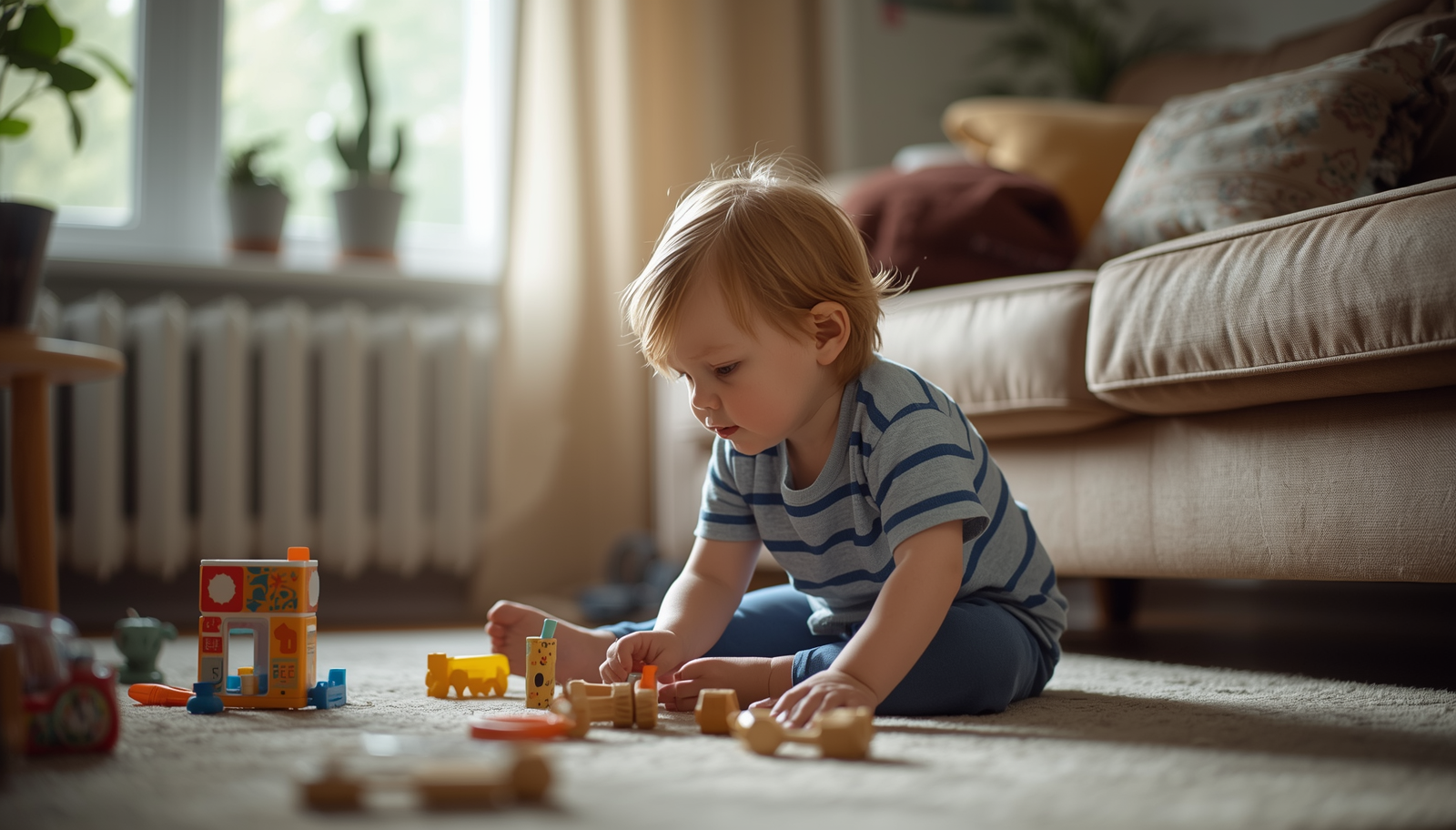
Some days, your child wants you involved in every block tower, every pretend meal, and every crayon stroke. That is normal. But if you are wondering How to Encourage Independent Play at Home, you are probably not looking to ignore your child – you are looking for breathing room, a calmer routine, and a way to help your child build confidence without needing constant entertainment.
How to Encourage Independent Play at Home is not about making kids be alone for long stretches before they are ready. It is about helping them feel safe, capable, and interested enough to stay engaged on their own for a little longer over time. For parents, that can mean a few minutes to switch laundry, answer an email, or simply drink coffee while it is still warm.
Why independent play matters
When a child plays independently, they are doing more than passing time. They are practicing problem-solving, decision-making, creativity, and emotional regulation. They learn how to start an idea, stick with it, and adjust when something does not go the way they expected.
There is also a quieter benefit that many parents notice over time. Kids who get regular opportunities for independent play often become less reliant on adults to direct every moment. That does not mean they stop asking for connection. It means they begin to trust their own ideas more.
That said, independent play looks different depending on age, temperament, and even the day your child is having. A toddler who plays alone for five minutes may be doing exactly what is developmentally appropriate. A preschooler might manage 15 or 20 minutes with the right setup. A child who is tired, sick, or overstimulated may need much more support, even if they usually do well.
Must Read: Toddler Toys for Boys That Actually Get Played with
How to encourage independent play without pressure
The biggest mistake many of us make is expecting independent play to happen just because toys are available. Most children need some structure before they can use that freedom well.
Start by making the play space feel manageable. Too many choices can backfire. If everything is out at once, kids often bounce from one thing to another or ask for help because they feel overwhelmed. A smaller selection tends to work better. Think a bin of blocks, a few animal figures, paper and washable markers, or a simple pretend play setup.
It also helps to choose open-ended toys and materials. Items that can be used in many ways usually hold attention longer than toys that only do one thing. Blocks, dolls, magnetic tiles, toy cars, costumes, play kitchen items, and art supplies tend to invite more imagination than battery-operated toys that perform for the child.
Your presence matters too, especially at the beginning. Many kids do better when independent play starts with connection. Sit nearby for a few minutes. Help them get started. Comment on what they are doing without taking over. Then step back gradually. You might say, “You’ve got your animals all set up. I’m going to unload the dishwasher while you keep playing.” That transition feels gentler than suddenly walking away.
Build it into the day
If you want to know how to encourage independent play consistently, routine matters more than perfection. Children are more likely to play on their own when it becomes a familiar part of the day rather than something that happens only when a parent is desperate.
Try anchoring it to a regular moment, like after breakfast, after snack, or while a younger sibling naps. A predictable window helps children know what to expect. It also lowers resistance because the pattern becomes part of home life.
Keep your expectations realistic. Start with a short amount of time your child can actually handle. For some kids, that may be five minutes. For others, ten or fifteen is doable. The goal is success, not pushing until they melt down. Once the habit feels comfortable, you can stretch the time little by little.
A visual timer can help, especially for preschoolers and early elementary kids. It gives them a clear ending point and makes the request feel concrete. If timers make your child anxious, skip them. Some children do better with a simple phrase like, “You play while I fold one basket of laundry.”
Age-based expectations that make sense
Babies can begin practicing short periods of independent play while fully supervised. This might look like lying on a play mat, reaching for a soft toy, or exploring a basket of baby-safe objects near you. The goal is not long solo play. It is giving them space to look, touch, and discover without constant interruption.
Toddlers often need the most careful setup. They are curious and busy, but they still rely heavily on adult reassurance. Short, simple activities work best – stacking cups, large blocks, toy animals, chunky puzzles, or a bin with a few safe household items. Many toddlers can play independently for brief stretches when a parent stays nearby.
Preschoolers are often in a sweet spot for independent play because imagination is taking off. Pretend play scenes, art materials, train tracks, sensory bins, and building toys can keep them engaged much longer. They may still invite you in often, but they are increasingly able to carry the play themselves.
School-age kids can usually handle more time alone, but they still benefit from a thoughtful environment. Crafts, LEGO builds, reading corners, dollhouses, action figures, and simple project kits can all work well. Some children this age prefer independent play that feels purposeful, like building something specific or creating a story.
Must Read: Activities for 4 Month Old: Easy Play at Home
What to do when your child says, “Play with me”
This is where many parents get stuck. You want to be responsive, but you also cannot be fully available every minute.
It helps to say yes to connection before saying no to constant involvement. Even ten focused minutes of play can fill your child’s cup enough to make independent play easier afterward. Often, kids are not asking for endless entertainment. They are asking for closeness.
After that short connection time, set a clear and kind boundary. You might say, “I can play for ten minutes, then it will be your turn to keep the game going while I make lunch.” This approach is warm without being vague.
If your child resists, stay calm and steady. Some protest is normal when expectations change. You do not need to convince them to love it immediately. You are helping them build a skill, and skills take practice.
Common reasons independent play is hard
Sometimes the issue is not motivation. It is the setup.
A child may struggle with independent play if they are overtired, hungry, overstimulated, or craving one-on-one attention. They may also need help if the toys available are too difficult, too messy to manage alone, or simply not that interesting to them.
Temperament matters too. Some children are naturally more social and externally motivated. They may always prefer interaction over solo play, and that is not a flaw. The goal is not to change who they are. The goal is to help them tolerate and eventually enjoy small pockets of playing on their own.
If your child follows you from room to room, try staying emotionally available while holding the boundary. A simple “I’m right here, and you can keep playing” can go a long way. For some kids, independent play develops best when they know they are not being pushed away.
Small shifts that often help
Toy rotation can make old materials feel new again without buying more. Bringing out fewer items at a time keeps interest higher and cleanup easier.
Open-ended prompts can also spark play without overdirecting it. Set out toy animals with blocks and suggest making a zoo. Leave paper, stickers, and tape on the table and invite your child to create something. Put dolls, blankets, and a toy doctor kit in one area and see where the story goes.
Another helpful shift is resisting the urge to fix boredom too quickly. Boredom is uncomfortable, but it often comes right before creativity. If you jump in the second your child says, “I don’t know what to do,” they do not get much practice generating their own ideas.
That does not mean leaving them stranded. A light prompt is enough. “You could build, draw, or make a house for your stuffed animals.” Then let the choice be theirs.
Must Read: Choosing the Perfect Childrens Play Kitchen
When independent play is not the goal
There are seasons when children need more closeness. Big transitions, illness, sleep changes, a new sibling, family stress, or starting school can all affect a child’s ability to separate and play alone. During those times, it may make sense to lower expectations and focus on connection first.
That is still progress. Children usually become more independent when they feel secure, not when they are pushed before they are ready. A flexible mindset helps more than a strict standard.
If you are trying to encourage independent play and it feels slow, that does not mean you are doing it wrong. It usually means your child is learning through repetition. A little consistency, a simple setup, and a calm response go further than any perfect routine.
Independent play is not a test of your child or your parenting. It is one small life skill that grows over time, and every short stretch of focused play is a step toward more confidence for them and a little more breathing room for you.
Frequently Asked Questions
1. How do I encourage independent play at home?
Start with a small, simple play setup using a few open-ended toys like blocks, dolls, or art supplies. Stay nearby at first, help your child get started, then gradually step back. Building it into the daily routine also makes it easier.
2. How long should a child play independently?
It depends on age and temperament. Toddlers may manage 5–10 minutes, while preschoolers can often handle 15–20 minutes with the right setup.
3. What toys are best for independent play?
Open-ended toys work best. Examples include blocks, magnetic tiles, dolls, toy animals, toy cars, pretend kitchen sets, and art materials.
4. Is independent play good for child development?
Yes. Independent play helps build creativity, confidence, problem-solving skills, emotional regulation, and decision-making.
5. Why does my child always ask me to play?
Many children seek connection before they feel comfortable playing alone. Spending 10 focused minutes with them first can make solo play easier afterward.
6. At what age can children start independent play?
Babies can begin with short supervised play on a mat. Toddlers and preschoolers often start building this skill more consistently.
7. What if my child refuses to play alone?
Keep expectations small and realistic. Start with short time frames, stay close by, and offer light prompts without taking over.
8. Does independent play mean ignoring my child?
Not at all. It means helping your child develop confidence to play on their own for short periods while knowing you are still nearby.
