
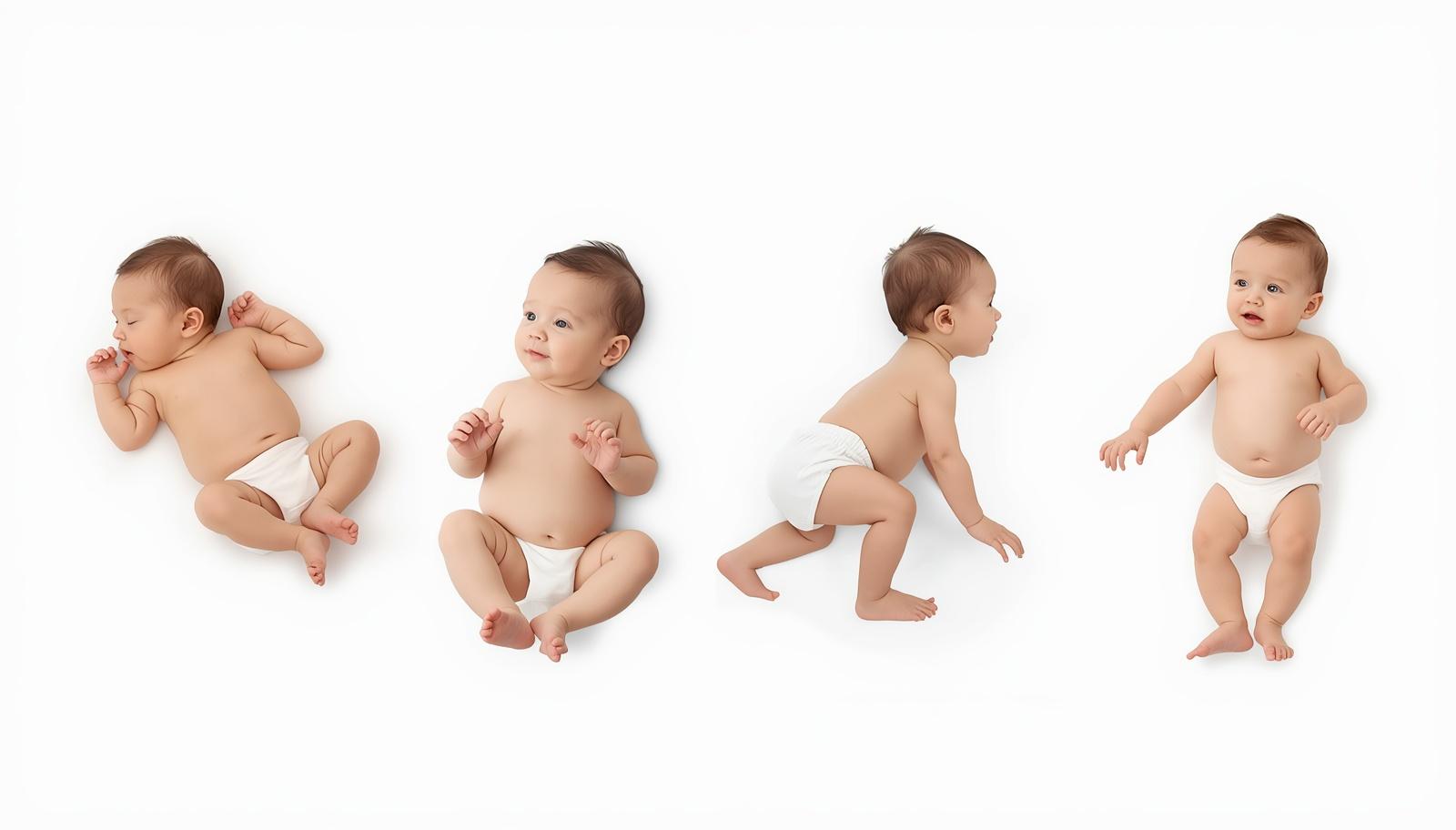
One day your baby is mostly sleeping and stretching, and then suddenly they are locking eyes with you, batting at toys, or trying to scoot across the floor. baby milestones can feel exciting, reassuring, and sometimes a little stressful all at once. Most parents want the same thing – a clear sense of what is typical, what is flexible, and when it makes sense to ask more questions.
The good news is that milestones are meant to guide you, not grade your child. They offer a general picture of how babies often grow in areas like movement, communication, social connection, and problem-solving, and baby milestones help you see those changes clearly. They are helpful markers, but they are not a race, and they are not a report card on your parenting.
What baby milestones actually tell you
A milestone is a skill that many babies develop around a certain age. That might include smiling, rolling, sitting, babbling, pointing, or taking first steps. Pediatricians look at these skills because they help show how a child’s brain and body are developing over time.
What milestones do not tell you is whether your baby is smarter, stronger, or “ahead” in a way that predicts the future. A baby who walks early is not automatically more advanced overall, and a baby who takes longer to crawl may still be developing beautifully in language or social skills. Development is uneven by nature. Children often surge in one area while moving more slowly in another.
This is why comparison tends to create more anxiety than clarity. Your friend’s baby may be clapping at 9 months while yours is focused on pulling to stand. Both can be completely normal.
Baby milestones by month
Milestones are usually discussed in age ranges because babies develop on a spectrum. Still, a month-by-month overview can help busy parents know what to watch for in everyday life.
Newborn to 2 months
In the early weeks, your baby is adjusting to life outside the womb. You may notice brief eye contact, startle reflexes, hands kept in tight fists, and moments of calm when they hear your voice. By around 2 months, many babies begin to smile socially, coo, and follow a face or object with their eyes for short distances.
Tummy time matters here, even if it lasts only a minute or two at first. It supports neck and shoulder strength and lays groundwork for later motor skills. If your baby dislikes it, that is common. Short, frequent practice often works better than trying to force a long session.
3 to 4 months
This stage often brings more interaction. Many babies smile more easily, respond to voices, and start making a wider variety of sounds. Physically, they may lift their head and chest during tummy time, push up on forearms, and bring hands to their mouth.
Some babies also begin batting at toys or showing excitement when they recognize familiar people. Sleep and feeding patterns may still feel unpredictable, so if life still feels messy, that does not mean anything is wrong.
5 to 6 months
At this age, many babies are becoming stronger and more curious. Rolling may begin, first from tummy to back or the other way around. You may see your baby reach with purpose, transfer objects from one hand to the other, laugh, and make more expressive sounds.
This is also when many parents start hearing more advice about starting solids. Readiness depends on more than age alone. Good head control, interest in food, and the ability to sit with support matter too. If your baby is not ready the moment someone else’s baby is, that is okay.
7 to 9 months
This period often feels like a huge leap. Many babies sit without much support, babble in strings like “ba-ba” or “da-da,” and respond to their name. Some begin crawling, scooting, or army crawling, while others skip crawling and go straight toward pulling up or cruising later on.
You may also notice stronger social preferences. Babies often show clear attachment to familiar caregivers and may become uneasy around strangers. That can be emotionally intense for parents, especially if separations are hard, but it is also a normal part of social development.
10 to 12 months
Toward the end of the first year, babies often become determined little explorers. Many pull to stand, cruise along furniture, point at interesting things, and use gestures like waving or reaching to be picked up. Some say simple words like “mama” or “dada” with meaning, though language varies a lot at this age.
First steps may happen before the first birthday or several months after. Both can fall within a healthy range. Walking gets a lot of attention, but communication skills like pointing, eye contact, and back-and-forth interaction are just as meaningful.
The main areas of development to watch
When parents think about baby milestones, gross motor skills usually get the spotlight. Rolling, sitting, crawling, and walking are easy to notice. But your baby is developing in several areas at once.
Motor development includes both big movements and fine motor skills, such as grasping toys or picking up small pieces of food. Language development begins long before first words, with cooing, babbling, listening, and responding to voices. Social and emotional development shows up in smiling, bonding, imitation, and how your baby seeks comfort. Cognitive development includes curiosity, memory, and early cause-and-effect learning, like dropping a spoon again and again just to see what happens.
Looking at the full picture helps you avoid getting overly focused on one skill. A baby who is not crawling yet may be making steady progress in communication and social engagement. That broader view is often more useful than a single checkbox.
What counts as normal variation
This is the part many parents need to hear most. Normal development has a range. Premature babies may reach milestones later when measured by their adjusted age. Babies with different temperaments may also show skills differently. One baby is cautious and observant. Another is constantly in motion. Those differences matter.
Environment matters too. Babies need chances to move, explore, hear language, and interact with caregivers. That does not mean you need fancy toys or a perfect schedule. Talking during diaper changes, floor time on a blanket, singing during bath time, and face-to-face play all support growth in simple, meaningful ways.
It also helps to remember that progress is not always smooth. Babies may practice a skill intensely, then seem to pause. Sleep disruptions, teething, illness, or a major family routine change can temporarily affect behavior. A short stall is not always a sign of a problem.
When to talk with your pediatrician
Parents are often told to trust their gut, and that advice has value. If something feels off, it is okay to bring it up. You do not need to wait until you are certain.
In general, it is worth checking in if your baby seems to lose skills they previously had, shows very limited eye contact or response to sounds, feels extremely stiff or very floppy, or is not making expected progress across multiple areas. A pediatrician may reassure you, suggest monitoring, or recommend an evaluation. Early support can make a real difference, and asking questions early is a strength, not an overreaction.
Try to be specific when you raise concerns. Instead of saying, “She seems behind,” you might say, “He is 9 months old, not sitting independently yet, and does not really babble.” Concrete examples make the conversation more productive.
How to support baby milestones without turning it into pressure
The best support usually looks ordinary. Give your baby floor time instead of extended container time when possible. Talk, read, sing, and respond to their sounds. Offer safe objects to reach for, grasp, and explore. Let them practice movement without rushing every step.
What helps most is consistency, not intensity. Your baby does not need constant stimulation or a packed activity plan. They need responsive caregiving, opportunities to practice, and room to develop at their own pace.
If social media has you worried that your baby should be doing more, it may be time to step back. Short videos rarely show the full developmental picture, and they almost never show the range of normal. Real parenting is slower, messier, and more reassuring than the internet often makes it seem.
Some days the win is a first roll. Some days it is a quiet cuddle after a hard nap. Both matter. Baby milestones are useful because they help you notice growth, but your relationship with your child is what supports that growth every day. Keep watching, keep engaging, and keep asking for help when you need it. You do not have to measure every moment to know your baby is learning.
Frequently Asked Questions
1. What are baby milestones?
Baby milestones are skills most babies develop at certain ages, like smiling, sitting, crawling, and talking. They help track overall development.
2. Are baby milestones the same for every child?
No. Babies develop at different speeds. One baby may walk early, while another focuses more on language first.
3. When should I worry about delayed baby milestones?
You should check with a pediatrician if your baby loses skills, avoids eye contact, or shows delays across multiple areas.
4. Do premature babies reach milestones later?
Yes. Premature babies often follow an adjusted timeline based on their due date, not their birth date.
5. What are the most important baby milestones in the first year?
Key milestones include smiling, rolling, sitting, babbling, crawling, and early walking or standing.
6. How can I support my baby’s development?
Talk, play, give floor time, and respond to your baby’s cues. Simple daily interaction supports growth best.
7. Is it bad if my baby skips crawling?
No. Some babies skip crawling and move straight to standing or walking. This can still be normal.
8. Do baby milestones predict intelligence?
No. Early or late milestones do not determine future intelligence or ability.
