

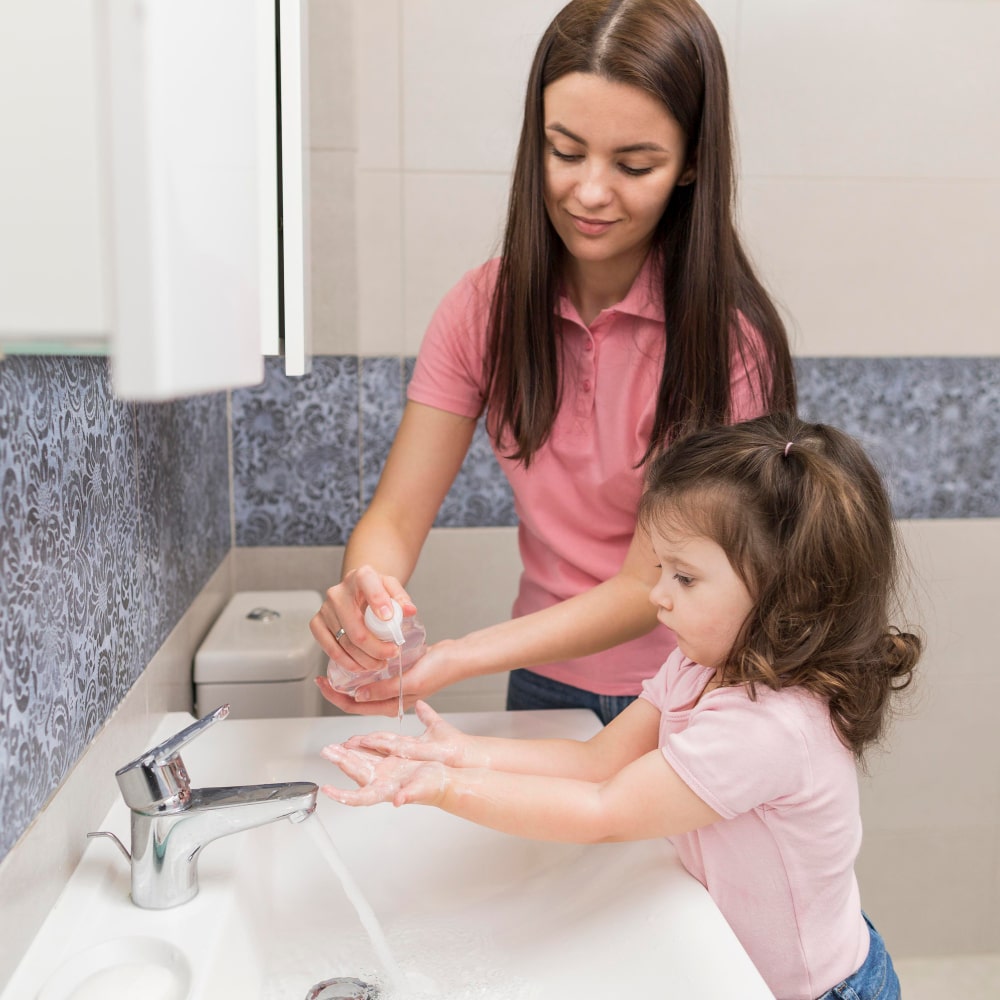
Do you want to keep your child healthy and free from illnesses? One of the best ways to do so is by teaching them how to properly wash their hands. Teaching children this important habit can not only protect them from getting sick, but it can also prevent the spread of germs to others.
I remember as a child, my mother constantly reminding me to wash my hands before eating and after using the bathroom. As a parent now, I understand the importance of this simple task and have made it a priority to teach my child the same. Today, I will share some tips for effectively teaching children proper handwashing techniques. So that you can also pass on this important habit to your children.
Why is Handwashing Important for Children?
Handwashing is a crucial habit to teach children because it helps protect them from getting sick. Children are more prone to getting sick due to their weaker immune systems and tendency to touch everything. Regular handwashing can prevent the spread of common illnesses such as colds, flu, and stomach bugs.
It also helps prevent the spread of more serious illnesses like pneumonia, meningitis, and hepatitis A. That’s why teaching children the importance of handwashing can help keep them healthy.
How to Teach Children Proper Handwashing
To effectively teach children proper handwashing techniques, make the process fun and engaging. This will encourage children to develop good handwashing habits and make it a regular part of their routine.
Teach Children to Wash Their Hands
1. Lead by Example
Children learn through observation, so it is important to first establish good handwashing habits themselves. Make sure you are washing your hands frequently and properly in front of your child. This will make them aware of the importance of hand washing and they will be more likely to follow it.
2. Explain Why Handwashing is Important
Children are curious and always asking questions, so take this opportunity to explain why we need to wash our hands. Explain how germs can cause illness and make us sick. You can also explain that by washing their hands, they are protecting themselves and others from getting sick. This will help them understand the importance of handwashing and make it a habit for life.
3. Teach the Proper Handwashing Technique
Handwashing is not just about putting your hands under water. It’s important to teach children proper handwashing techniques, which include using soap and rubbing their hands together for at least 20 seconds.
Show them how to lather the soap and wash all parts of their hands, including between fingers and under nails. You can make it fun by singing a song or using a timer to make sure they are washing for the full 20 seconds. Many children don’t realize how long 20 seconds is, so using a fun activity can help them understand the time.
4. Demonstrate When to Wash Hands
This is an important aspect of teaching children proper handwashing techniques. It’s not enough to just tell them how to wash their hands, they also need to understand when it is necessary to do so.
Here are some examples of when it is important to wash hands:
- Before eating meals or snacks
- After using the bathroom
- After playing with pets
- After touching public surfaces such as doorknobs, handrails, or shopping carts
- Before and after meeting someone who is suffering from an illness
- After coughing, sneezing, and clearing the nose
5. Use Fun Soap Dispensers
Another way to encourage children to wash their hands is by using fun soap dispensers. There are many options available in the market, such as ones shaped like animals or cartoon characters.
Children will be more excited to use these unique dispensers and may even look forward to washing their hands. Additionally, using colorful and scented soaps can also make the experience more enjoyable for children.
6. Sing Songs or Use a Timer
Singing songs is a great way to engage children and make handwashing more fun. You can play a simple and catchy tune to remind them of these steps when washing their hands. This will not only make handwashing enjoyable but also help them remember the proper technique.
Another fun way to encourage children to wash their hands is by using a timer. Set a timer for 20 seconds, which is the recommended time for washing hands, and challenge them to finish before the buzzer goes off. This adds an element of competition and makes handwashing more exciting.
Read More: How to Teach Responsibility to Kids: A Guide for Parents
My Experience
As a mom, I understand the importance of teaching my children proper handwashing techniques. It not only keeps them healthy but also instills good hygiene habits that will stay with them for life.
These tips are based on my own experience and have proven to be effective in teaching my kids how to wash their hands properly. Most mothers may find it difficult to teach this skill to their children, but with a little patience and creativity, it can be done.
Conclusion
Proper handwashing is a crucial skill that every child should learn. Not only does it prevent the spread of germs and illness, but it also promotes good hygiene habits that will stay with them for life. As parents, it is our responsibility to teach our children this important skill and reinforce its importance through consistent practice.
With all these tips, you can make handwashing fun and engaging for your kids while ensuring they wash their hands correctly. Remember to lead by example and practice good handwashing habits yourself.
Getting your children into this habit gives them a great skill that will support their health and well-being for years to come. So, let’s make handwashing a family affair and keep our loved ones healthy.
Frequently Asked Questions
When is the right time to start teaching my child to wash their hands?
You can start as 1-2 years old by showing them the process and helping them practice. By age 3 or 4, many children will begin to wash their hands with minimal assistance.
How can I make handwashing more fun for my child?
Use colorful soaps or hand sanitizers with fruity scents, sing a fun song while washing hands, or have a reward system for good handwashing habits.
What can I do if my child doesn’t want to wash their hands?
Explain the importance of handwashing in simple terms and make it a part of their routine. You can also involve them in picking out their own soap or sanitizer to make it more appealing.
What are the key moments when my child should always wash their hands?
Before eating, after eating, after using the bathroom, after playing outside, after touching pets, and whenever hands appear dirty.
