

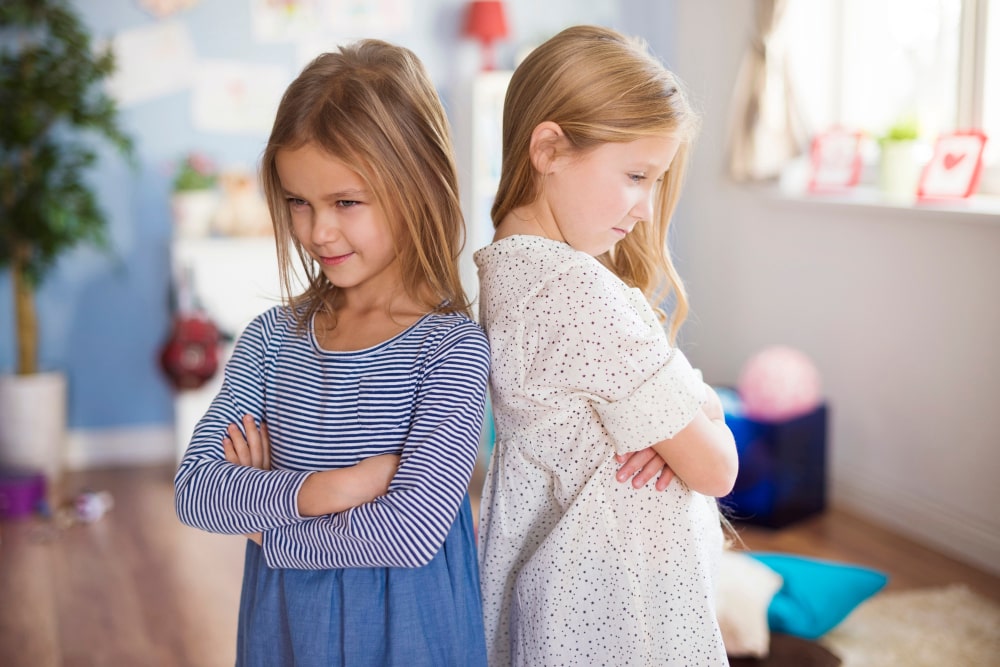
Sibling rivalry is a common problem that most parents face when raising more than one child. It is a natural part of growing up and can occur between siblings of any age. I have noticed that many parents find it difficult to manage their children’s conflicts, and if it is not handled well, it can cause lasting damage to their relationship. As a parent, it is important to understand the causes of sibling rivalry and learn to manage it effectively.
That’s why today I will share some practical tips for dealing with sibling rivalry in children. These tips have been tried by many parents, including myself, and have proven to be effective.
Related Reading: How to Handle Tantrums in Children
Causes of Sibling Rivalry
There are many reasons why sibling rivalry occurs, but some of the most common causes include:
- Competition for parents’ attention: Children often feel like they are not getting enough attention from their parents, especially if there are multiple siblings in the family. These feelings of jealousy and competition can lead to sibling rivalry.
- Comparison by parents or others: When parents constantly compare their children, it can lead to hostility and resentment between siblings. This can be especially harmful if one child is constantly praised while the other is constantly criticized.
- Different treatment by parents: When children feel like they are being treated unfairly by their parents, it can cause tension and conflict between siblings. The reason may be that one child is given more privileges or attention than others.
- Competing for resources: Siblings may also compete for resources such as toys, food, or attention from parents. This can lead to jealousy and fighting between siblings.
Now that you have a better idea of why sibling rivalry occurs, let’s look at some strategies for parents to manage and reduce sibling rivalry.
Strategies for Managing Sibling Rivalry in Children
It’s normal for siblings to have conflicts and disagreements, but as a parent, it’s important to know how to handle these situations positively. Here are some effective strategies that can help you manage and reduce sibling rivalry in your household.
1. Encourage positive communication and problem-solving skills

One of the best ways to reduce sibling rivalry is to promote positive communication and problem-solving skills among your children. Encourage them to express themselves calmly and respectfully, and actively listen to each other’s perspectives. Yes, teach them how to listen to each other’s perspectives and find compromises that work for both of them.
I suggest holding regular family meetings where each child can have a turn to speak and be heard. This will give them a safe space to express any issues or concerns they may have with their siblings, without resorting to fighting or arguing.
2. Set clear rules and boundaries for behavior
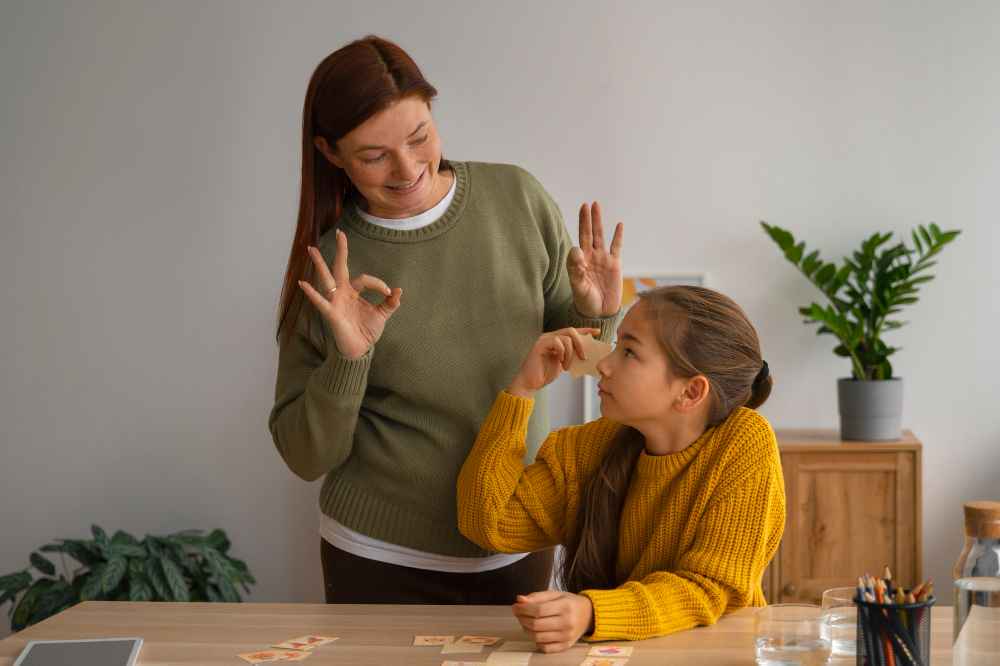
Children thrive on structure and consistency in their daily lives. By setting clear rules and boundaries for behavior, you are giving your children a framework to understand what is expected of them. This can help reduce conflicts as they will know the consequences of their actions. Consistently enforcing these rules and boundaries will also help establish authority and discipline in the household.
Some ideas for creating rules and boundaries include:
- Respect each other’s personal space
- Use kind words when speaking
- Clean up after yourself
- Follow a set schedule for chores or tasks
- Limit screen time or establish guidelines for electronic devices
- Set consequences for breaking rules or boundaries
Remember that rules and boundaries should be age-appropriate and realistic. It may also be helpful to involve your children in the process of creating these guidelines, as it can give them a sense of ownership and responsibility.
3. Look at all the children as individuals
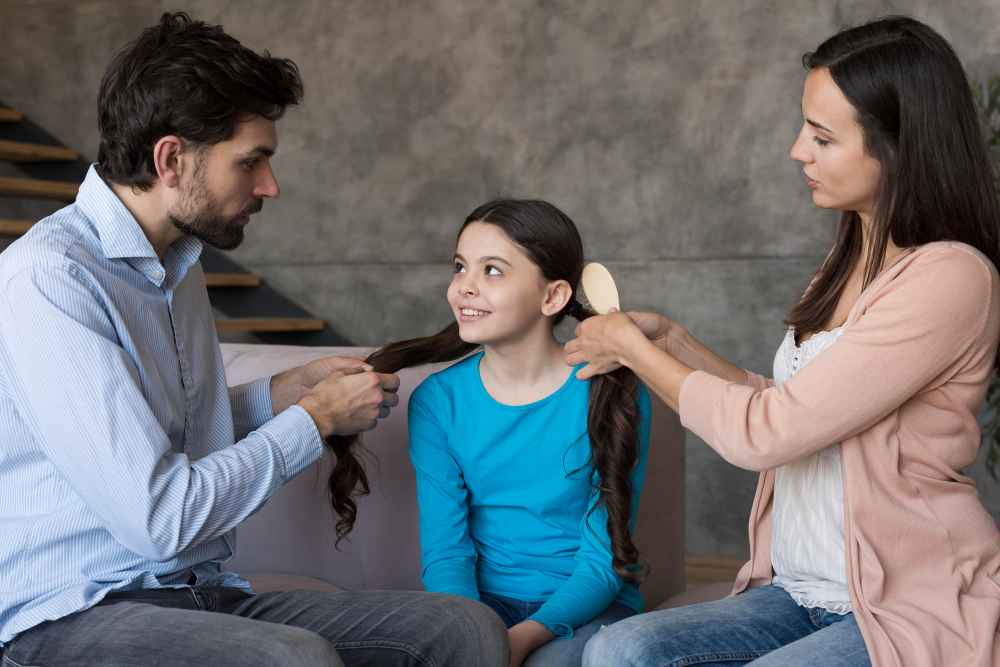
Do you know that each child is unique and has their own strengths, weaknesses, and personalities? Yes, as a parent, it’s important to look at each child as an individual and not compare them to their siblings or other children. This can help you understand their behavior and address any challenges they may be facing.
Take the time to get to know your children on an individual level. Ask them about their day, their feelings, and what they enjoy doing. Show interest in their hobbies and passions, even if they may not align with your interests. This can help build a stronger bond and understanding between you and your child. Additionally, allow your child to express themselves freely and encourage open communication.
4. Encourage healthy habits
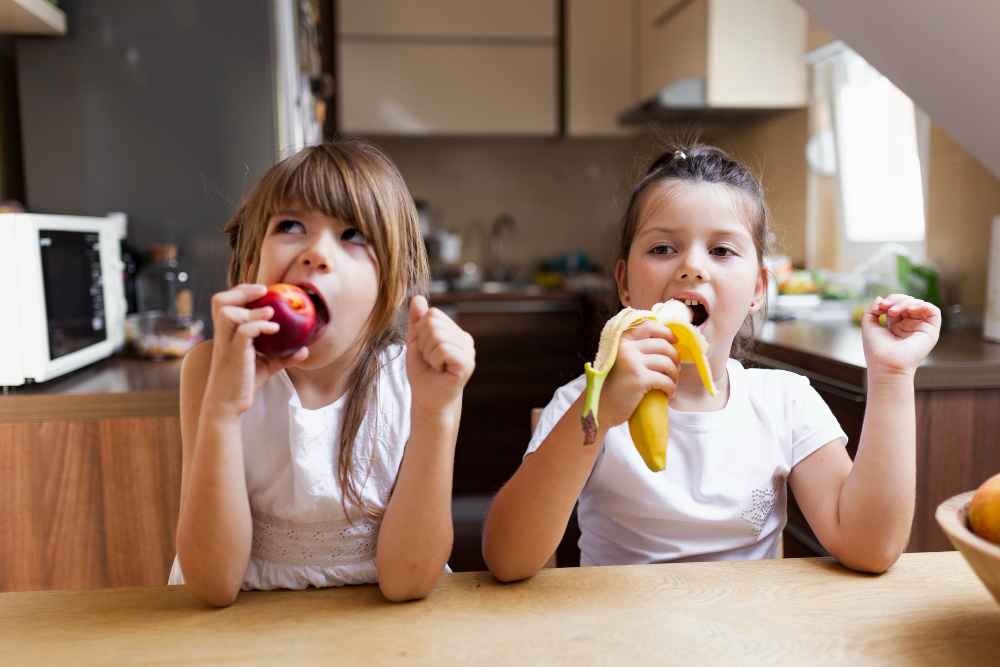
Teach your children the importance of taking care of their physical and mental health early on. Emphasize the benefits of eating nutritious meals, staying physically active, and getting enough sleep.
Make time for family activities that involve physical activity, such as going for a hike or playing a sport together. Encourage your child to take breaks from screen time and engage in creative or outdoor activities instead. This will not only promote a healthy lifestyle, but it can also help reduce tension and competition between siblings.
|
Healthy Habit |
Suggested Activity |
Benefits |
|---|---|---|
|
Nutritious Eating |
Plan meals with vegetables and fruits |
Improves energy levels and overall health |
|
Regular Physical Activity |
Family walks or bike rides |
Boosts fitness and mental well-being |
|
Adequate Sleep |
Set consistent bedtimes |
Enhances focus and mood |
|
Limited Screen Time |
Schedule device-free hours |
Reduces stress and encourages creativity |
|
Staying Hydrated |
Keep a water bottle handy |
Supports digestion and physical health |
5. Encourage Teamwork to Handle Sibling Rivalry in Children
Teamwork plays a crucial role in managing sibling rivalry. Encouraging your children to work together can help them develop important communication and problem-solving skills. Here are some tips to encourage teamwork when dealing with sibling rivalry:
- Assign tasks that require cooperation: Give your children tasks that they can only complete by working together. This could be anything from cleaning their room to completing a puzzle or building a fort.
- Praise teamwork and collaboration: When you see your children working well together, acknowledge and praise their efforts.
- Facilitate group activities: Plan activities that require teamwork, such as playing a game or doing a craft project together. This will give your children the opportunity to cooperate and compromise.
- Encourage empathy: Remind your children to think about each other’s feelings and needs.
You may also like: Easy Discipline Strategies for Children: A Parent’s Guide
My Experience
Handling sibling rivalry can be a challenging experience for any parent. As much as we want our children to get along and form a strong bond, conflicts and arguments among siblings are inevitable. However, it is important to remember that sibling rivalry is a normal part of growing up and can even have positive effects on a child’s development.
My experience in handling sibling rivalry with my own children has taught me some valuable lessons. One of the most important lessons I learned is the importance of setting clear rules and boundaries. When my children know what behavior is acceptable and what is not, they are less likely to engage in fights or arguments.
Another crucial aspect of dealing with sibling rivalry is staying neutral and fair. It can be tempting to take sides or favor one child over the other, but this only exacerbates the rivalry. Instead, I make a conscious effort to listen to both sides and address each child’s concerns equally.
I also make sure to spend quality time with each of my children individually. If you’re going through a phase of sibling rivalry, it’s important to give each child individual attention and make them feel valued and loved.
Conclusion
Sibling rivalry is a natural part of growing up and can be managed in healthy ways. All children are unique and have different personalities, needs, and desires. As parents, our role is to support each child’s individuality while also fostering a positive relationship between siblings.
Communication, setting boundaries, and modeling positive behavior are key strategies to handle sibling rivalry. By providing equal attention and addressing feelings of jealousy or competition, we can promote a strong bond between our children.
Frequently Asked Questions
How can I reduce jealousy between siblings?
Encourage appreciation for each child’s unique strengths and pay attention to their needs equally. It helps to avoid comparisons and let each child shine in their own way.
What should I do if my children frequently argue?
Teach them to communicate effectively by listening actively and expressing their thoughts and feelings calmly. Encourage problem-solving and finding compromises.
When is it time to seek professional support for sibling rivalry?
If the rivalry leads to harmful behavior or affects your children’s emotional well-being, consider consulting a counselor or therapist for guidance.
How can I encourage my children to communicate effectively?
Encouraging open communication between siblings can help reduce conflicts and improve their relationship. Start by actively listening when your children speak, without interrupting or taking sides. Teach them how to express their feelings calmly and assertively instead of resorting to yelling or physical aggression.
