
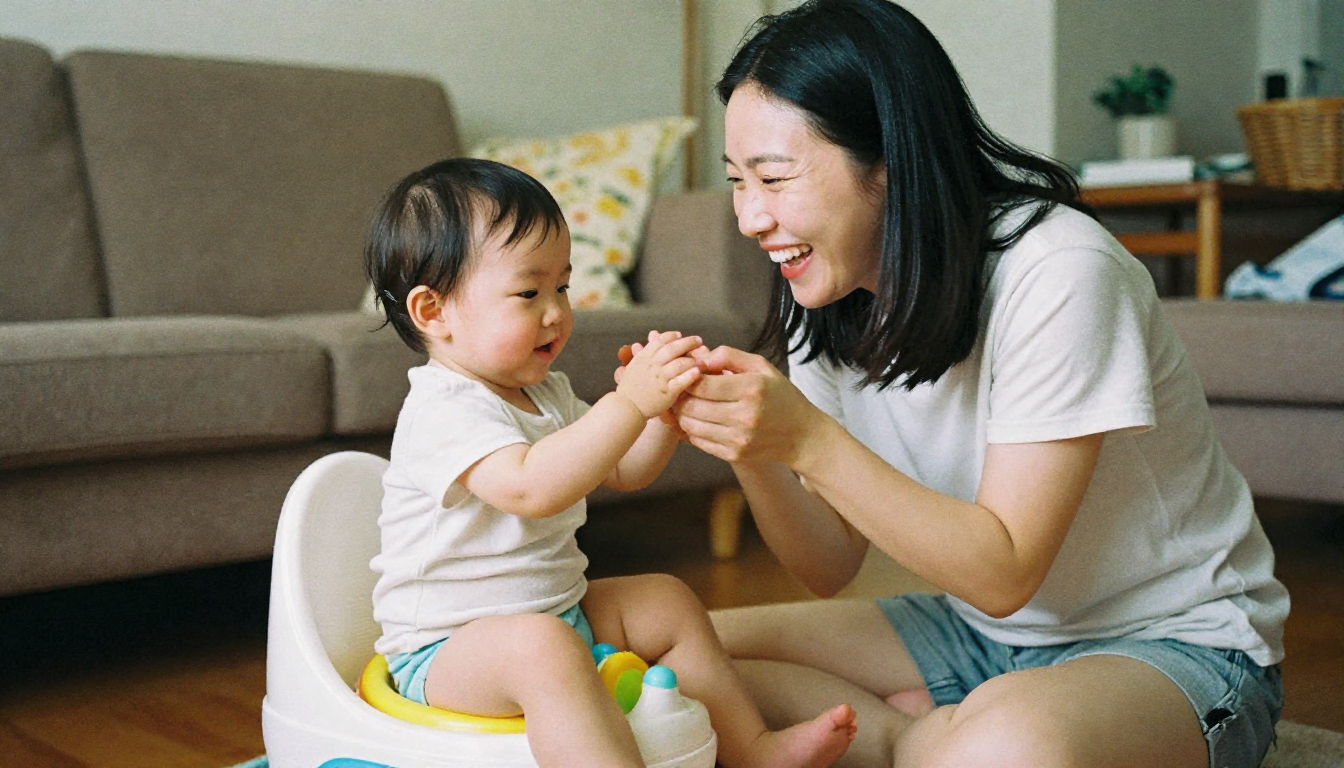
Potty training is one of those milestones that feels endless while you are in the thick of it. You spend your days staring at the clock, asking your toddler if they need to go, and cleaning up puddles when they say “no” but mean “yes.” It is exhausting, but finding the best potty training watch can actually change the game for your family.
This simple gadget shifts the responsibility from you to a fun little device on their wrist. Instead of you nagging them every twenty minutes, a song or vibration from the best potty training watch reminds them it is time to try. It gives you a break and helps your child feel independent.
Here at Mom Kid Friendly, we know you want solutions that actually work without costing a fortune. We have looked into how these watches work and why they might be the answer to your potty training prayers. Let’s get your toddler out of diapers and get you back to sanity.
Join the Mom Kid Friendly community today to share your wins and get support from moms who get it.
Best potty training watch: a simple tool that helps kids learn faster
A potty training watch is essentially a timer designed specifically for toddlers. It sits on their wrist and goes off at set intervals to remind them to head to the bathroom. This consistent reminder helps build a habit without you having to be the “bad guy.”
Kids often get distracted by play and forget to listen to their body’s signals. The watch acts as an external cue that breaks their focus on toys. It turns the act of going to the potty into a routine rather than an interruption.
When you choose the best potty training watch for your child, you are giving them a tool for success. It empowers them to take charge of their own body. Plus, most kids love wearing “grown-up” accessories like watches.
Must Read: Best Pull Ups for Potty Training: A Mom’s Guide to Success
Why potty training feels harder than it should
The mental load of potty training is heavy for moms. You are constantly calculating how much liquid they drank and how long it has been since the last bathroom trip. It feels like you can never fully relax because you are on “potty watch.”
Toddlers also have a natural desire for control. When you constantly tell them what to do, they often push back just to assert their independence. This turns a biological function into a power struggle.
Accidents happen, and they are a normal part of learning. However, cleaning up messes constantly adds to your stress levels. It is easy to feel defeated when you are doing all the work.
What a potty training watch actually does
The device is quite simple in its function. You set a timer for a specific interval, usually 30, 60, or 90 minutes. When the time is up, the watch alerts your child.
The alert can be a catchy tune, a vibration, or flashing lights. This grabs your child’s attention immediately. It signals that it is time to stop playing and go try.
Once the cycle is complete, the timer usually resets automatically. This creates a loop of consistent reminders throughout the day. It takes the burden of remembering off your shoulders entirely.
When a potty training watch works best by age
Most children are ready for this tool between the ages of two and three. At this age, they start to understand cause and effect. They can link the sound of the alarm to the action of going to the toilet.
If your child is younger than two, they might just view the watch as a chew toy. They need to have the cognitive ability to follow a simple instruction. If they can follow basic commands, they can likely use a watch.
Older children who are facing regression can also benefit. Sometimes a four-year-old just needs a novelty item to get back on track. It makes the process feel new and exciting again.
Signs your child is ready for potty training
Physical readiness is the first big clue. Your child might wake up dry from a nap. They might also be able to go for longer stretches with a dry diaper during the day.
Emotional readiness is just as important. They might hide behind the sofa or go to a private corner to poop. This shows they are aware of the urge to go.
Communication skills are the final piece of the puzzle. They should be able to tell you with words or gestures that they have a dirty diaper. If they are uncomfortable in a wet diaper, that is a great sign.
Must Read: Fine Motor VS Gross Motor: What Parents Really Need to Know
Why reminders work better than constant nagging
Nobody likes being told what to do all day long. When mom keeps asking, “Do you have to go?” it becomes background noise. Your child learns to tune you out.
A watch is a neutral party. It is not nagging; it is just doing its job. Your child cannot get mad at a watch the way they get mad at you.
It gamifies the experience. “Oh! The watch is singing! Let’s run!” is much more fun than a lecture. It turns a chore into a race against the clock.
Features parents should look for in a potty training watch
Water Resistance
This is absolutely non-negotiable for a toilet training device. Your child will be washing their hands constantly. The watch needs to survive splashes and the occasional dunk in the toilet.
Rechargeable Battery
You do not want to be hunting for tiny watch batteries every week. A rechargeable watch saves you money and hassle. Just plug it in while your child sleeps.
Fun Alarms
The best potty training watch should be engaging. Look for models that play songs or have cool lights. If your child likes the sound, they will listen to it.
Child-Proof Design
Toddlers are destructive by nature. The strap needs to be secure enough to stay on but comfortable enough to wear all day. A fidgety child will take off an uncomfortable watch in seconds.
Easy Setup
You are a busy mom, so you do not have time for a complicated manual. The interface should be intuitive. You want to be able to set the timer in seconds.
Common mistakes parents make with potty training watches
Setting the Interval Too Short
If the watch goes off every 15 minutes, your child will get annoyed. They will stop listening to the alarm entirely. Start with shorter intervals and lengthen them as they get better.
Ignoring the Alarm
If you are busy and tell them to “wait a minute” when the alarm goes off, the system fails. You must honor the alarm every single time. Consistency is the only way this tool works.
Using it as Punishment
Never force the watch on a child who is scared of it. This creates a negative association with the potty. It should be a cool accessory, not a shackle.
Forgetting to Charge It
A dead watch is just a bracelet. If the battery dies in the middle of the day, you lose your momentum. Make charging it part of your bedtime routine.
How to use a potty training watch without pressure
Introduce the watch as a special gift for big kids. Let them pick the color or the style if possible. Ownership creates excitement.
When the alarm goes off, act surprised and happy. Say, “Wow! Your watch says it is time!” Keep your tone light and enthusiastic.
If they sit and nothing happens, that is perfectly okay. Praise them just for listening to the watch and trying. The goal is the habit, not just the result.
Potty training watch vs phone timers
You might think your phone can do the same job. However, phones get lost in couch cushions or left in other rooms. A watch is attached to your child, so the reminder is always with them.
Phone alarms are easily ignored by kids. They associate your phone with cartoons or games, not responsibilities. A specialized watch has one job, and they know what it is.
Giving your child a watch builds autonomy. They are the ones receiving the signal. It makes them feel in control of the process.
Real-life routines that pair well with a watch
Start the day by putting the watch on right after breakfast. This signals that the day has begun and potty awareness is on. It helps establish a morning rhythm.
Set the timer to coincide with natural transition points. If you know they usually go after lunch, set the timer accordingly. Work with their body’s natural schedule.
Take the watch off for naps and bedtime. You do not want an alarm waking up a sleeping toddler. Keep the watch for waking hours only.
How long it usually takes to see progress
Every child is on their own timeline. Some kids click with the watch method in a few days. For others, it might take a couple of weeks.
You will typically see fewer accidents within the first week. As they get used to the prompts, they start to recognize their body’s signals before the watch goes off. That is the ultimate goal.
Be patient with the process. Regression happens, and it is normal. Just stick to the routine and keep the mood positive.
Final tips for choosing the best potty training watch
Read Reviews from Real Moms
Look for feedback on durability and ease of use. Other moms will tell you if the band breaks easily. Mom Kid Friendly recommends checking the star ratings carefully.
Involve Your Child
Let them see pictures of the options. If they choose the dinosaur watch, they will be excited to wear it. Buy-in from your toddler is half the battle.
Keep It Simple
You do not need a watch that tracks steps or takes photos. You just need a reliable timer. The more features it has, the more distracting it becomes.
Summary
Potty training is a journey, but you do not have to walk it alone. The best potty training watch acts like a little assistant on your child’s wrist. It removes the nagging, reduces the stress, and helps your toddler gain independence.
Remember that accidents are just part of learning. Stay calm, stay consistent, and trust that this phase will end. You are doing a great job, mama.
What is your biggest potty training struggle right now? Tell us in the comments below!
Must Read: 50+ Easy Activities for 2 Year Olds
Frequently Asked Questions
What is the best potty training watch for toddlers?
The best potty training watch is one that is water resistant, easy to use, and has fun alarms your child enjoys.
At what age should a child use a potty training watch?
Most kids benefit from a potty training watch between ages two and three, when they can follow simple reminders.
How often should a potty training watch go off?
Many parents start with 30 to 60 minute intervals and adjust based on their child’s routine and progress.
Does a potty training watch really reduce accidents?
Yes, a potty training watch helps build consistent habits and often leads to fewer accidents over time.
Can a potty training watch replace parent reminders?
A watch reduces constant reminders, but parents still need to support and guide their child.
Author

