
The must have toys for 2 year olds are open-ended, durable, and safe. Think stacking cups, ride-on toys, chunky puzzles, play kitchens, and picture books. These toys support language, movement, and pretend play—and toddlers actually keep coming back to them.
This guide breaks down the must have toys for 2 year olds in simple, mom-to-mom terms. You’ll learn what your 2-year-old is really learning, which toys are worth it, and which ones to skip. Let’s find the picks that actually work.
What 2-Year-Olds Are Actually Learning (And Why It Shapes Toy Choices)
Your 2-year-old is growing in big ways every single day. At this age, toddlers learn through movement, repetition, and pretend play. Because of that, the toys you choose can make a real difference.
Here’s what’s happening during this stage:
Language Explosion
Words come quickly now, sometimes 50 or more each month. Therefore, picture books, songs, and interactive play become powerful learning tools. The more they hear words during play, the faster they build vocabulary.
Gross Motor Skills
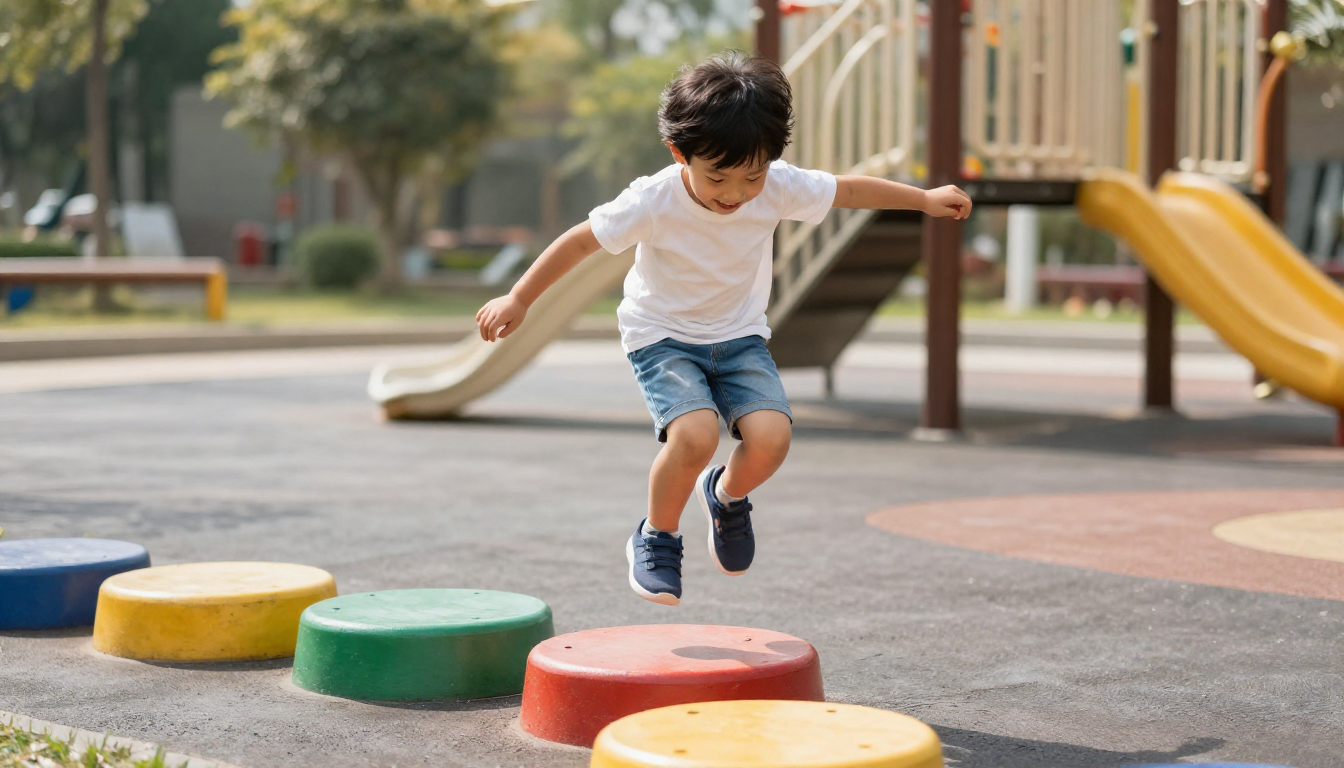
Running, climbing, jumping, and throwing help toddlers strengthen their bodies. As a result, active toys give them a healthy outlet for all that energy while improving coordination.
Must Read: Gross Motor Activities for Preschoolers Burn Energy
Fine Motor Skills
Stacking, sorting, scribbling, and fitting pieces together help strengthen tiny hands. In addition, these small activities build patience and confidence over time.
Pretend Play
Around age 2, imagination starts to bloom. For example, feeding a doll or pretending to cook dinner may look simple, but it actually teaches communication and emotional skills.
Independence
“I do it myself” quickly becomes the daily anthem. Because toddlers crave independence, toys that allow safe solo play often become favorites.
Once you understand these stages, toy shopping feels much easier. Instead of buying random items, you start choosing toys with purpose. As a bonus, this also saves money and reduces clutter.
What to Look for in a Good Toddler Toy
Not all toddler toys are created equal. While some keep children engaged for years, others lose attention after a single afternoon. Before buying, keep these simple guidelines in mind.
Choose Open-Ended Toys
Open-ended toys encourage creativity because there’s no single “correct” way to play. For instance, blocks can become towers, roads, or pretend food depending on your child’s imagination.
Pick Durable Toys
Toddlers drop, throw, chew, and drag toys everywhere. Therefore, durable toys are always worth the investment.
Prioritize Safety
Always avoid tiny pieces that can become choking hazards. Likewise, choose non-toxic materials and sturdy designs made for toddler use.
Look for Toys That Grow With Your Child
Some toys stay useful for years instead of months. Because of this, they offer better value and longer playtime.
Think About Noise and Mess
Some toys are naturally loud or messy, and that’s okay. However, it helps to know what you’re bringing into your home before buying.
In many cases, the simplest toys become the most loved. Fancy lights and buttons may grab attention at first, but open-ended toys usually keep toddlers engaged much longer.
Best Toys for Language and Learning
Talking toddlers thrive with toys that encourage interaction and curiosity. Fortunately, many of the best learning toys are also screen-free and calming.
Must Read: Learning Toys for 2 Year Old That Help Toddlers Grow
Picture Books and Interactive Books
Lift-the-flap books keep little hands busy while introducing new words. In addition, reading together strengthens attention and communication skills.
Matching and Sorting Toys
Sorting colors, animals, or shapes helps toddlers build focus and early thinking skills. At the same time, these toys introduce simple problem-solving concepts.
Shape Sorters and Chunky Puzzles
Big puzzle pieces fit toddler hands perfectly. As a result, they help children practice patience, coordination, and shape recognition.
Educational toys work best when they feel like play instead of lessons. That’s exactly why toddlers stay interested in them.
Best Toys for Active, Energetic Toddlers
If your toddler never sits still, active toys are essential. Not only do they help burn energy, but they also support physical development.
Ride-On Toys and Push Walkers
Ride-ons help strengthen balance and coordination. Plus, they’re a great way to encourage movement indoors or outside.
Balls, Tunnels, and Indoor Climbers
Soft climbers, tunnels, and balls turn playtime into physical exercise. Meanwhile, toddlers build confidence as they run, crawl, kick, and climb.
Outdoor and Rainy-Day Toys
A small slide, bubbles, or an indoor trampoline can save long afternoons at home. Especially during rainy days, active toys help prevent boredom.
Active toys often help parents too. Your toddler stays busy, and you finally get a moment to breathe.
Best Toys for Hands and Fine Motor Skills
Little hands need regular practice to grow stronger. Thankfully, simple toys often work best for fine motor development.
Stacking Cups and Blocks
These classic toys improve coordination and problem-solving. In addition, they encourage independent play.
Chunky Crayons and Reusable Drawing Pads
Big crayons fit toddler hands much better than regular pencils. Meanwhile, reusable drawing pads reduce mess and paper waste.
Threading, Peg, and Lacing Toys
These activities require concentration and patience. Over time, they help prepare children for future writing skills.
Although fine motor play seems simple, it supports important developmental milestones. Small activities truly add up over time.
Best Toys for Pretend Play and Imagination
Around age 2, pretend play becomes a huge part of everyday learning. Through imagination, toddlers practice language, emotions, and social skills.
Play Kitchens and Food Sets
Toddlers love copying what adults do. Therefore, pretend cooking sets often become daily favorites.
Dolls, Stuffed Animals, and Care Play
Feeding or comforting a doll teaches empathy and nurturing behavior. In many cases, toddlers also use pretend play to process daily experiences.
Toy Cars, Trucks, and Figures
Simple vehicle toys inspire storytelling and creativity. Best of all, they continue growing with your child for years.
Pretend play rarely needs instructions. Instead, toddlers naturally create their own little world through imagination.
Toys to Skip (Save Your Money and Floor Space)
Some toys look exciting in stores but quickly lose attention at home. To avoid wasting money, watch out for these common toy traps.
Overstimulating Battery Toys
Flashing and singing toys can overwhelm toddlers. In addition, many of them “perform” instead of encouraging real play.
Toys With Small Pieces
Tiny parts create safety risks for young children. Therefore, always check the recommended age range before buying.
Trend Toys That Fade Fast
Viral toys often lose their appeal quickly. Instead, classic open-ended toys usually last much longer.
A great toy collection doesn’t need to be huge. In fact, fewer quality toys often create calmer and more meaningful playtime.
Mom-Tested Tips for Toy Rotation and Less Clutter
Too many toys can overwhelm both toddlers and parents. Fortunately, a simple toy rotation system can make a huge difference.
Rotate Toys Weekly
Keep only a few toys available at a time, then store the rest. After a week or two, switch them out to make old toys feel new again.
Use Easy Storage
Open bins and low shelves help toddlers access toys independently. As a result, cleanup becomes much easier too.
Focus on Quality Over Quantity
A few great toys create more engagement than dozens of forgotten ones. Plus, fewer toys mean less mess around the house.
Toy rotation keeps playtime exciting without constantly buying new things. Because of that, it’s one of the easiest ways to reduce clutter and save money.
Final Thoughts: The Must Have Toys for 2 Year Olds Worth Buying
Picking the must have toys for 2 year olds doesn’t need to feel overwhelming. Instead, focus on simple, durable toys that support different types of play. Stacking cups, ride-on toys, chunky puzzles, play kitchens, and picture books cover almost everything toddlers need.
Most importantly, choose toys based on your child’s personality rather than trends or packaging. Some toddlers love quiet books, while others need constant movement. You know your child best.
In the end, simple toys usually win. They encourage imagination, creativity, and longer play without all the noise and distractions.
Loved this guide? Join the Mom Kid Friendly community for more easy, mom-tested tips—and share your toddler’s favorite toy in the comments below!
Must Read: Top Learning Toys for 3 Year Olds to Boost Development
Frequently Asked Questions
What are the must have toys for 2 year olds?
The must have toys for 2 year olds are open-ended, durable, and safe picks like stacking cups, ride-on toys, chunky puzzles, play kitchens, and picture books. These support language, movement, and pretend play, and toddlers keep coming back to them.
What should I look for when buying toys for a 2 year old?
Choose open-ended toys over single-use ones, and make sure they’re durable enough for rough play. Check for safe, non-toxic materials with no small choking hazards, and pick toys that grow with your child for better value.
Which toys help a 2 year old’s development the most?
Toys that support language (picture books, sorting toys), gross motor skills (ride-ons, balls), fine motor skills (stacking cups, crayons), and pretend play (play kitchens, dolls) offer the most developmental value. They make learning feel like play.
What toys should I avoid for a 2 year old?
Skip overstimulating battery-heavy toys that flash and sing, since they play for the child rather than with them. Also avoid toys with age-inappropriate small parts and trendy viral toys that lose appeal quickly.
How many toys does a 2 year old actually need?
Fewer, better toys beat a giant pile. A handful of quality, open-ended toys keeps toddlers more engaged than dozens of forgotten ones, and it saves money and floor space.
How do I keep my toddler from getting bored with their toys?
Use a toy rotation system: keep a few toys out and store the rest, then swap them every week or two. The rotation makes old toys feel brand new and keeps your toddler engaged longer.
Are educational toys for 2 year olds worth it?
Yes, learning toys like lift-the-flap books, shape sorters, and matching games build vocabulary, focus, and early math skills. They feel like play rather than lessons, which is exactly why they work.
