

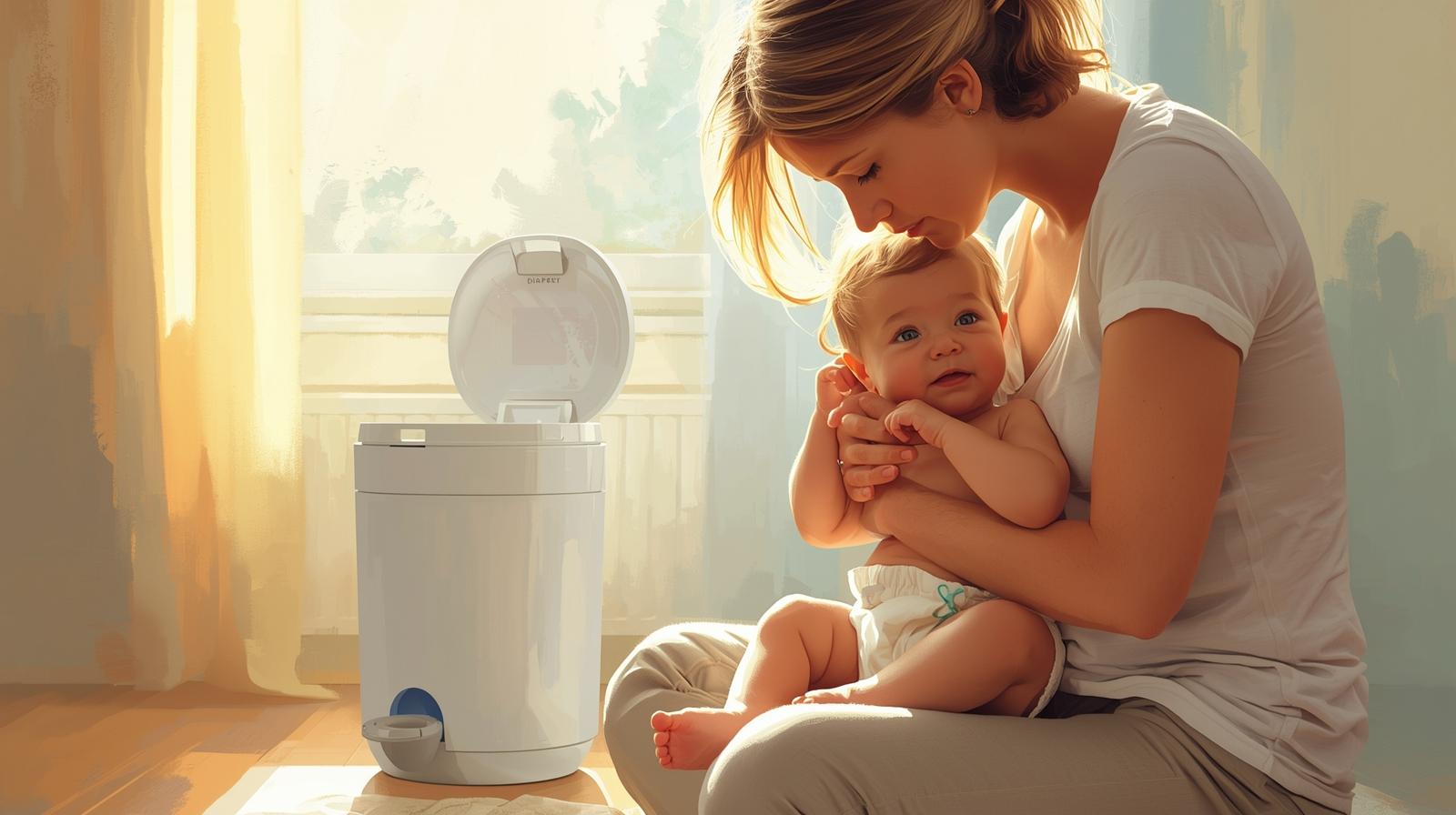
We have all walked into a nursery expecting the sweet scent of baby lotion, only to be hit by something else entirely when diaper pails that don’t smell fail you. It is that undeniable, lingering odor that seems to stick to the walls no matter how much you clean. You are not crazy, and your house is not dirty—it is just the reality of dealing with dirty diapers.
Finding diaper pails that don’t smell can feel like searching for a unicorn. You read reviews, buy the top-rated bin, and a week later, you are holding your breath every time you walk past it. It is frustrating when you spend money on baby gear that promises to help but fails to deliver.
The good news is that odor-free nurseries are actually possible with the right tools and habits. You don’t have to settle for a stinky room or run the trash out five times a day. We are here to break down exactly what works so you can breathe easy again.
Ready to reclaim your fresh-smelling nursery? Keep reading to find the best solutions for your home, and share your favorite tips in the comments below!
Why Diaper Odors Spread So Fast in Small Homes
It is a simple fact of physics that bad smells travel quickly. When you open a regular trash can, the air pressure changes, pushing invisible odor particles out into the room. In smaller spaces like nurseries or apartments, this happens even faster because there is less air to dilute the smell.
Bacteria are the real culprits behind the stink. Inside a warm, dark diaper pail, bacteria thrive and multiply rapidly on waste. As they break down the mess, they release gases that escape every time the lid lifts.
Humidity plays a huge role in this process too. If you live in a humid climate or keep the nursery very warm, those odors become stronger and heavier. This is why a pail that worked fine in winter might suddenly smell terrible in July.
Many moms don’t realize that soft surfaces absorb these airborne odors. Curtains, rugs, and changing pads can trap smells over time. That is why the smell sometimes lingers even after you have taken the trash out.
Ventilation is often overlooked in nurseries to keep the room cozy for the baby. Without fresh airflow, those heavy odor particles settle low to the ground. This is exactly where your baby (and your nose during playtime) spends the most time.
Must Read: Stop the Stink: Finding the Best Diaper Pails for Odor Control
Why Regular Trash Cans Make Diaper Smells Worse
You might think a standard kitchen trash can is good enough for diapers. It seems logical to save money and just use a regular bin with a lid. However, standard trash cans are simply not engineered to contain bacterial gases.
Most regular cans have gaps around the lid where air can freely flow in and out. This constant airflow feeds the bacteria inside, helping them grow faster. It also provides an easy escape route for the smell to drift into your hallway.
The material of your trash can matters more than you think. Standard plastic bins are porous on a microscopic level. Over time, they actually absorb the odors into the plastic itself, making the bin smell permanently.
Regular trash bags are also part of the problem. They are designed to hold garbage, not to lock in the intense ammonia smell of wet diapers. Odors can seep right through the thin plastic of generic bags.
Using a regular can means you are exposed to the full blast of the smell every time you open it. There is no secondary barrier to block the old diapers from the new ones. It is a recipe for a stinky disaster that happens multiple times a day.
What Makes Diaper Pails That Don’t Smell Different
The best diaper pails are designed with one specific job: locking air out and keeping smells in. They use engineering tricks that regular trash cans just don’t have. This specialization is why they are often worth the extra investment for peace of mind.
One major difference is the sealing mechanism. High-quality pails often use a double-lock system or a clamp that squeezes the bag shut. This ensures that even when the lid is closed, the bag is airtight.
Materials play a huge role in effectiveness. Many top-rated pails use steel instead of plastic because steel is non-porous. Steel does not absorb smells, so you can wipe it clean and it is like new.
Some systems use a continuous liner instead of individual bags. You tie off the bag only when it is full, which minimizes waste and keeps the smell trapped longer. This creates a “sausage link” effect that seals each diaper individually.
Another key feature is the trap door design. Good pails have a sliding door that limits how much air escapes when you drop a diaper in. This means you don’t get hit with a cloud of stink every time you do a change.
Key Features to Look for in Odor-Blocking Diaper Pails
When you are shopping, look for rubber gaskets around the rim. These rubber seals act like the seal on your refrigerator door. They create a physical barrier that prevents gas from leaking out when the lid is down.
Check if the pail requires proprietary bags or if it takes regular kitchen bags. Pails that require special bags often work better because the plastic is thicker and multi-layered. However, this does increase the long-term cost of owning the pail.
Hands-free operation is a huge plus for hygiene and speed. A sturdy foot pedal lets you drop the diaper in without touching the bin. This keeps your hands clean for the baby and makes the process faster.
Look for a child-lock feature on the lid. Toddlers are notoriously curious and love to open things they shouldn’t. A lock keeps the mess (and the smell) safe from little exploring hands.
Consider the capacity of the pail versus its footprint. You want a pail that holds enough diapers so you aren’t emptying it constantly. But you also don’t want it so big that diapers sit there for a week fermenting.
Types of Diaper Pails and How They Handle Smell
There are generally three main types of diaper disposal systems. The first is the steel pail, which is popular for its durability and odor resistance. These usually use regular trash bags, saving you money over time.
The second type is the plastic pail with a twisting mechanism. These pails twist the bag after every diaper to seal the smell away individually. While effective, they use a lot of plastic and require special refills.
The third type is the simple seal bucket. These rely on strong clamps and rubber seals to keep odors contained in a single large chamber. They are often cheaper upfront but require rigorous cleaning to stay fresh.
Some pails also come with built-in deodorizers. These usually have a small compartment for a baking soda puck or a carbon filter. It is a nice bonus feature that adds an extra layer of protection.
Wet bags are another option, mostly for cloth diapering families. These are fabric bags with a waterproof lining that hang on a doorknob. They handle smell differently by allowing some airflow to prevent mold, which is specific to washing cloth diapers.
Do Expensive Diaper Pails Really Work Better?
It is tempting to grab the cheapest option on the shelf. However, in the world of diaper disposal, you often get what you pay for. The cheaper models usually lack the heavy-duty seals that make a real difference.
Expensive models usually invest in better materials like coated steel. This prevents that “permanently stinky plastic” problem we mentioned earlier. A steel pail can last through multiple kids, making it a better value in the long run.
The engineering in pricier models is more advanced. Complex sliding doors and twisting mechanisms cost more to manufacture. These features are specifically designed to stop the “poof” of smell when you open the lid.
However, price isn’t the only indicator of quality. Some mid-range pails perform excellently if you maintain them well. You don’t need the most expensive unit if you are diligent about emptying it.
Think of it as an investment in your home’s air quality. If spending a little more means your living room doesn’t smell like a diaper, it is worth it. Mom Kid Friendly recommends balancing your budget with your tolerance for odors.
Must Read: Best Rated Diaper Genie That Keeps Smells Away
Best Habits to Keep Diaper Smells Under Control
Even the best diaper pails that don’t smell need help from you. The way you wrap the diaper makes a huge difference. Roll it as tight as possible and use the sticky tabs to seal it into a tight ball.
If a diaper is particularly messy, consider bagging it separately. Small doggy waste bags are perfect for double-bagging the really bad ones. This adds an extra layer of defense before it even hits the pail.
Sprinkle baking soda in the bottom of the bag every time you change it. Baking soda is a natural odor absorber and helps neutralize acids. It is cheap, safe, and incredibly effective.
Keep the pail out of direct sunlight. The sun heats up the interior of the bin, cooking the contents and maximizing the smell. A cool, shaded corner of the room is the best spot.
Wipe down the inside of the pail every time you change the bag. Disinfectant wipes kill the bacteria that might have escaped onto the pail’s surface. It takes ten seconds but saves you from deep-set odors.
How Often to Empty a Diaper Pail to Avoid Stink
The frequency of emptying depends on your baby’s age. Newborns go through 10 to 12 diapers a day, so you will likely empty the pail every day or two. The smell isn’t as bad at this stage, but the volume is high.
Once your baby starts solid foods, everything changes. The odor becomes much stronger and harder to contain. At this stage, you should try to empty the pail every evening, regardless of how full it is.
Leaving diapers in the pail for more than two days is risky. The bacteria have too much time to grow and produce gas. This pressure builds up and forces smell out through the seals.
If you have two kids in diapers, you might need a larger pail or more frequent trips to the outside bin. Don’t try to push the capacity limits. Overfilling breaks the seals and lets odors escape.
Make emptying the pail part of your nightly routine. Taking the trash out before bed ensures you start the next day fresh. It prevents overnight fermentation that greets you in the morning.
Common Mistakes That Cause Diaper Pails to Smell
One huge mistake is ignoring the cleaning instructions. Some pails can be taken apart for deep cleaning, while others cannot. If you submerge a lid that traps water, you might create a mold problem.
Another error is trying to force generic bags into a pail designed for refills. If the bag doesn’t fit perfectly, the seal won’t work. Air will leak in, and the smell will leak out.
Waiting until the bag is bursting full is a recipe for disaster. When you cram that last diaper in, you often push gas out forcefully. You also risk tearing the bag when you try to pull it out.
forgetting to change the carbon filter is common. If your pail has a filter spot, set a reminder on your phone to change it. An old filter stops working and can actually start smelling bad itself.
Many parents forget to clean the underside of the lid. This is where condensation and bacteria love to hide. A quick wipe under the rim can solve mysterious lingering smells.
When It’s Time to Replace Your Diaper Pail
Sometimes, despite your best efforts, a pail just gives up. If you have scrubbed it with bleach and sun-dried it, but it still stinks, the plastic has likely absorbed too much. It is time to let it go.
Check the rubber seals for cracks or brittleness. If the rubber is dried out, it cannot create an airtight seal anymore. Some manufacturers sell replacement seals, but often you need a new unit.
If the mechanical parts start sticking or breaking, efficiency drops. A lid that doesn’t snap shut instantly is letting odor out. Broken springs or latches defeat the purpose of a specialized pail.
Notice if the smell returns immediately after cleaning. If the empty pail smells bad within an hour of being washed, the material is compromised. No amount of baking soda will fix degraded plastic.
Typically, a plastic pail lasts for one child, maybe two. Steel pails can last much longer, often for multiple children. If you are planning a large family, investing in steel upfront saves money on replacements.
Choosing Diaper Pails That Don’t Smell
Start by deciding on your budget for both the pail and the bags. Remember that proprietary bags add up over the years. Calculate the yearly cost, not just the sticker price.
Measure your space to see what fits. Some pails are tall and skinny, while others are short and wide. Make sure you can open the lid fully without hitting a shelf or changing table.
Read recent reviews from parents with kids the same age as yours. A pail that is great for a newborn might fail the toddler test. You want something that handles solid-food diapers effectively.
Consider the aesthetic if that matters to you. Diaper pails come in many colors and finishes now. You can find one that blends into your nursery decor rather than standing out.
Finally, trust your gut on features. If you know you hate touching trash lids, prioritize a foot pedal. If you are eco-conscious, look for a pail that uses biodegradable bags or cloth liners.
Finding Your Fresh Air Again
Dealing with dirty diapers is just a part of the mom life gig. But living with a smelly house doesn’t have to be. By choosing the right gear and sticking to a few simple habits, you can keep your home smelling fresh and clean.
Remember that diaper pails that don’t smell are tools, and like any tool, they work best when maintained. A little baking soda and a nightly trash run can make a world of difference. You deserve a home that feels calm and clean, not one that stresses you out.
At Mom Kid Friendly, we know that small wins like a fresh nursery make a big difference in your day. You have got this, and we are here to help you navigate every messy step of the way.
Found a trick that keeps the smell away? Tell us in the comments below! We love hearing what works for real moms like you.
Must Read: Arms Up Swaddle for Better Newborn Sleep
Frequently Asked Questions
What are the best diaper pails that don’t smell?
Diaper pails that don’t smell usually have airtight seals, strong liners, and non-porous materials like steel to lock odors inside.
Do diaper pails that don’t smell really work?
Yes, diaper pails that don’t smell work when paired with proper habits like tight diaper wrapping and regular emptying.
How often should I empty diaper pails that don’t smell?
For newborns, every one to two days works best, while solid-food stages may require daily emptying.
Can I use regular trash bags in diaper pails that don’t smell?
Some diaper pails that don’t smell allow regular bags, but many perform better with thicker or proprietary liners.
Why does my diaper pail still smell even after cleaning?
Lingering smells often mean bacteria have absorbed into plastic or seals are worn out and no longer airtight.
Are steel diaper pails better at preventing odor?
Steel diaper pails resist odor absorption better than plastic, making them a popular choice for long-term use.
