

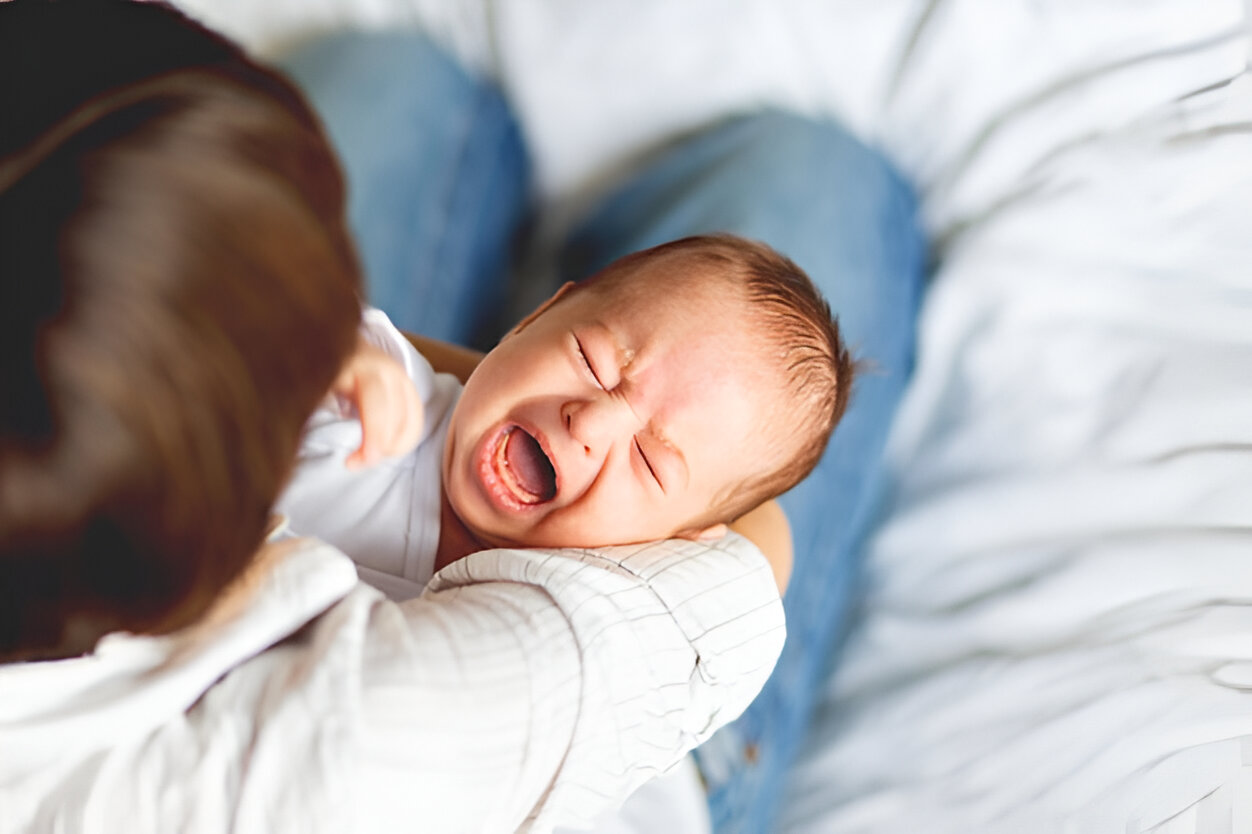
Have you ever noticed your baby crying while eating? This can be a stressful and confusing experience for new parents, but it’s actually quite common. Many babies cry during feedings for various reasons, and it’s important to understand these causes to provide the best care for your little one.
Today, in this article, I will discuss common reasons why babies cry while eating and provide some useful tips to alleviate the situation. I hope this helps reduce your worries and that you will be able to deal with these situations with confidence.
Read More: How to Make Bone Marrow for Baby
Why does my baby cry while eating
1. Hunger
The most obvious reason for a baby to cry while eating is hunger. Newborn babies have tiny stomachs, and they need to be fed frequently, sometimes as often as every 2-3 hours.
If your baby is crying during feedings, it could be a sign that they are hungry and in need of more food. This is especially common during growth spurts when babies need more calories to support their rapid development.
2. Gas or Indigestion
Babies have sensitive digestive systems and may experience gas or indigestion while eating. This can cause discomfort and make them cry during feedings. Some common causes of gas or indigestion in babies include:
- Swallowing air while feeding: This can happen if your baby is not properly latched onto the breast or bottle, leading to excess air being swallowed along with milk.
- Formula intolerance: Some babies may have trouble digesting certain types of formula, leading to gas and discomfort.
- Food allergies: If you are breastfeeding, some foods in your diet may be causing an allergic reaction in your baby, leading to digestive issues.
- Overfeeding: Giving too much milk at one time can overwhelm a baby’s digestive system and lead to gas and discomfort.
- Immature digestive system: Newborns have developing digestive systems, and as a result, they may struggle with digesting milk properly.
To help prevent excessive gas and discomfort in your baby, here are some tips to try:
- Experiment with various breastfeeding positions to find the one that offers the most comfort for your baby. Some positions can help a baby swallow less air while feeding.
- If you are bottle-feeding, make sure the bottle nipple is the right size for your baby’s age and needs. A too-large or too-small nipple can cause swallowing issues and lead to gas.
- Make sure to burp your baby regularly both during and after feedings. This can help release any trapped gas in your baby’s stomach.
3. Fast or Slow Milk Flow
Another common reason why babies cry while eating is the pace of milk flow. Sometimes, the milk from a bottle or breast can come out too quickly, overwhelming your baby and causing them to cough, gag, or cry. On the other hand, a slow flow can frustrate your baby if they’re hungry and have to work hard to get enough milk.
Tip: If breastfeeding, try different feeding positions to control the flow. If bottle-feeding, consider using a nipple with a slower or faster flow to see what suits your baby best.
4. Acid Reflux
If you’re wondering “why does my baby cry while eating,” acid reflux could be the answer. Some infants experience acid reflux, where stomach contents come back up into the esophagus, causing pain and discomfort during or after eating. Signs might include frequent spit-up, back arching, or crying during feeds.
Tip: Hold your baby upright after feedings to help with digestion, and talk to your pediatrician if you suspect reflux.
5. Teething Discomfort
Many parents ask, “Why does my baby cry while eating during teething?” As your baby’s teeth push through the gums, their mouth can become sore. Sucking on a bottle or breast may irritate their gums, making eating uncomfortable.
Tip: You can soothe teething pain by gently massaging your baby’s gums or offering a cooled teething ring before feeding.
6. Illness or Ear Infections
Sometimes, babies cry while eating because they’re not feeling well. An ear infection, cold, or sore throat can make swallowing painful. If your baby pulls at their ears, has a fever, or seems generally unwell, illness could be the cause.
Tip: If you notice these symptoms, consult your doctor for advice and treatment.
7. Allergies or Sensitivities
Food allergies or sensitivities may also explain why your baby cries while eating. Common culprits include cow’s milk protein and other ingredients in formula or a breastfeeding mother’s diet.
Tip: If you notice rashes, blood in stool, or ongoing discomfort, speak to your pediatrician about possible allergies or sensitivities.
8. Distractions or Overstimulation
Babies are curious little beings. Too much noise, bright lights, or a busy environment can distract them during feeds and cause fussiness or crying.
Tip: Try feeding your baby in a quiet, calm place to help them focus on eating.
Related Reading: Can I Take Pre Workout While Breastfeeding?
Helpful Tips to Soothe a Crying Baby During Feedings
- Burp your baby frequently to help with gas and prevent discomfort.
- Watch for feeding cues and offer feedings before the baby gets overly hungry.
- Experiment with feeding positions to find one that’s comfortable for both of you.
- Keep a feeding diary to notice patterns that may explain why your baby cries while eating.
- Stay patient and flexible. Every baby is different; what works for one may not work for another.
- Try using a pacifier if your baby seems to be seeking non-nutritive sucking.
When Should You Seek Help?
Occasional crying while eating is normal, but if your baby is persistently upset, not gaining weight, refusing feeds, or you are worried for any reason, it’s always best to check with your pediatrician. They can identify the root cause and provide you with reassurance and clarity.
Final Thoughts
Remember, crying while eating is a normal part of your baby’s development, and it will eventually decrease as they grow. In the meantime, stay calm, patient, and flexible in finding what works best for you and your little one.
And always seek help if you have any concerns or questions about your baby’s feeding habits. With time and patience, both you and your baby will find a comfortable routine that works for everyone.
Frequently Asked Questions
Why does my baby cry while eating?
Crying during feeding can result from hunger, tiredness, gas, teething discomfort, or even a temporary dislike of certain textures. Observing your baby’s cues and addressing their immediate needs can help minimize distress.
Should I change my baby’s feeding schedule to prevent crying?
Sometimes adjusting feeding times can help, especially if crying is related to hunger or tiredness. Experiment with slightly different schedules to see what works best.
Could my baby’s crying while eating indicate an allergy or intolerance?
If your baby shows additional symptoms like rashes, vomiting, or diarrhea, consult your pediatrician about the possibility of a food allergy or intolerance.
When should I seek professional help for my baby’s crying during feedings?
If your baby cries consistently, appears in pain, is losing weight, or showing unusual symptoms, it’s important to consult your pediatrician promptly.
Can I prevent my baby from crying during feedings?
While some crying during feedings is normal, there are steps you can take to make the experience more comfortable for both you and your baby. Make sure to feed your baby in a calm environment, with minimal distractions. Also, try different positions for feeding to see which one is most comfortable for your baby.
