
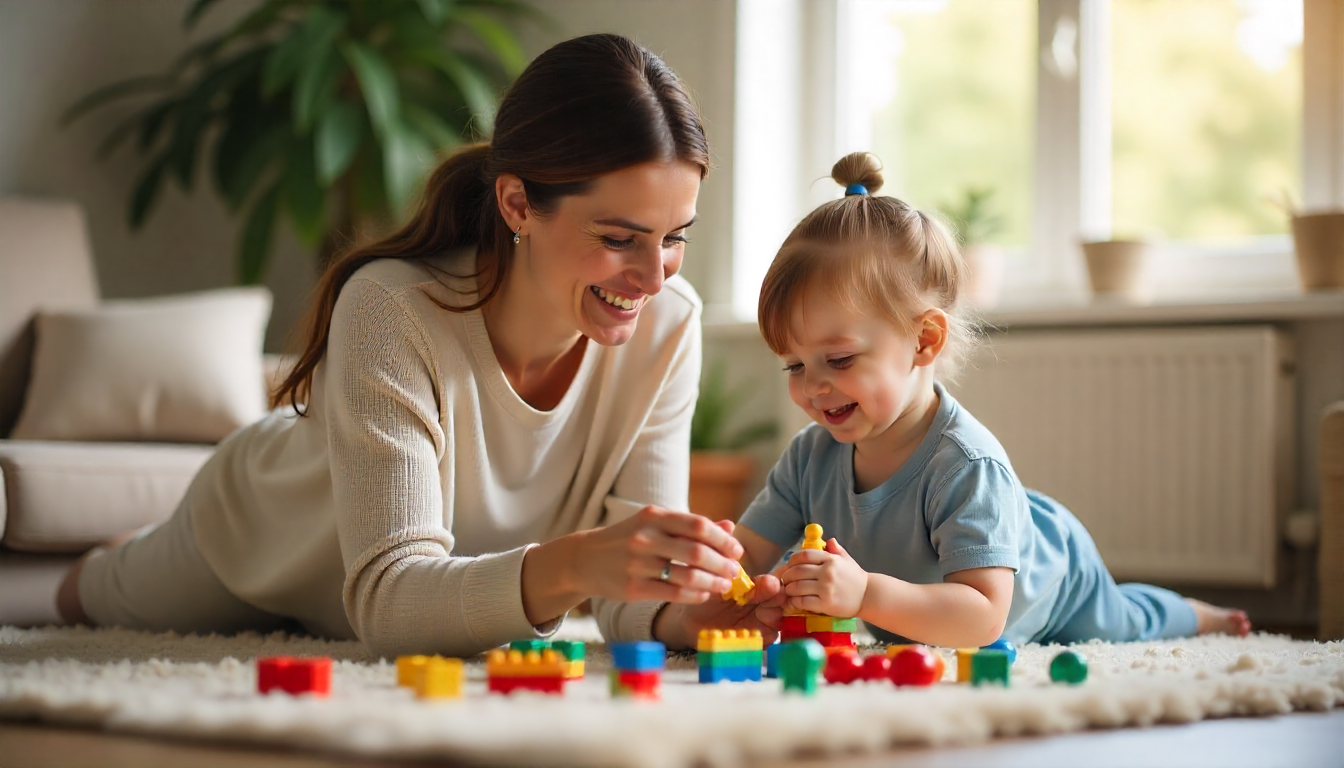
Every mom knows that feeling of standing in the toy aisle, overwhelmed by choices. You pick up a flashy robot, wondering if your child will love it or find it too loud. When choosing autistic children’s toys, that decision feels even bigger because autistic children’s toys need to balance fun and comfort.
You want something that brings joy, but also supports their unique way of seeing the world. Choosing the right autistic children’s toys is not just about playtime; autistic children’s toys can become tools for connection, growth, and emotional support. The right choice can open new doors for communication and calm.
This guide is here to help you navigate autistic children’s toys with confidence. We’ll look at practical, fun autistic children’s toys that respect your child’s sensory needs and developmental stage. You don’t need to be an expert, just a mom who knows her kid best.
Check out our favorite sensory-friendly toy picks here!
Why the Right Toys Matter for Autistic Kids
Toys are more than just entertainment for any child, but they hold special significance here. For autistic children, play is often how they process the chaotic world around them. The right toy can be a bridge between their inner world and the people who love them.
Standard toys sometimes miss the mark because they don’t account for sensory sensitivities. A toy that flashes lights might be fun for one kid but terrifying for another. Choosing carefully ensures playtime stays fun, not stressful.
When a toy aligns with your child’s interests and needs, magic happens. It builds confidence because they can interact with it successfully on their own terms. It reduces frustration and creates a safe space for learning new skills.
Understanding Autism and How Play Supports Development
Autism influences how a child communicates, interacts, and processes sensory information. Play looks different for every autistic child, and that is perfectly okay. Some might line up cars precisely, while others love the repetitive motion of a swing.
Play is the primary language of childhood, and it helps develop crucial life skills. Through play, children learn cause and effect, problem-solving, and emotional regulation. It is a low-pressure environment where they can experiment without fear of failure.
Supporting their specific style of play validates who they are. Instead of forcing “neurotypical” play, we can join them in their world. This connection builds trust and encourages social interaction naturally.
Must Read: Best Toys for 18 Month Old: A Mom’s Guide to Fun and Learning
What to Look for in Autistic Children’s Toys
When you are hunting for autistic children’s toys, durability is often key. Many autistic kids explore toys by throwing, tapping, or chewing on them. You want something that can withstand enthusiastic love without breaking immediately.
Look for toys that offer a predictable response. Cause-and-effect toys are great because if you push a button, the same thing happens every time. This predictability is comforting and helps reduce anxiety during play.
Consider your child’s specific sensory profile before buying anything. Do they seek out loud noises, or do they retreat from them? Buying a toy that matches their sensory preferences ensures it actually gets used.
Sensory Toys That Help with Calm and Regulation
Sensory regulation is a huge part of daily life for autistic families. Sometimes a child needs to burn off energy, and other times they need help winding down. Sensory toys are excellent tools for managing these big needs.
Weighted stuffed animals are a favorite for many moms I know. The extra weight provides deep pressure input, which feels like a comforting hug. This can be incredibly grounding during a meltdown or before bed.
Fidget toys are another staple for your bag or car console. Pop-it toys, spinners, and textured balls keep busy hands occupied. They provide a safe outlet for nervous energy in waiting rooms or classrooms.
Chewelry (chewable jewelry) is fantastic for kids who need oral input. Instead of chewing on shirt collars or pencils, they have a safe alternative. It’s a discreet way to meet a sensory need while out and about.
Educational Toys That Support Learning and Focus
Learning can be challenging if the teaching style doesn’t match the child. Educational toys bridge this gap by making learning tactile and visual. They turn abstract concepts into something concrete your child can hold.
Puzzles are fantastic for teaching problem-solving and spatial awareness. The clear goal and defined ending point are very satisfying for many autistic minds. Start with simple chunky puzzles and work your way up to more complex ones.
Sorting toys help with recognizing patterns, colors, and shapes. Whether it’s sorting bears by color or shapes into a bin, it builds cognitive skills. These activities are also calming because they bring order to chaos.
Visual timers aren’t a “toy” in the traditional sense, but they are game-changers. Seeing time pass visually helps with transitions between activities. It reduces the anxiety of “how much longer?” and helps with focus.
Social and Pretend Play Toys for Communication Skills
Social interaction can be tricky, but toys can act as a buffer. Pretend play allows kids to practice social scripts in a safe, controlled way. It helps them understand different perspectives and emotions without real-world pressure.
Toy sets with characters, like a farm or a dollhouse, are great starting points. You can model simple interactions between the figures for your child to watch. Over time, they may start mimicking these interactions or creating their own.
Puppets are another wonderful tool for encouraging communication. Sometimes talking to a puppet feels safer than making eye contact with a person. Puppets can “model” conversation skills or help act out difficult feelings.
Board games that require turn-taking teach vital social rules. Start with simple games that rely on luck rather than strategy to keep frustration low. It teaches patience and the concept of sharing play with others.
Fine Motor and Gross Motor Toys for Skill Building
Motor skills often need a little extra support in autistic children. Fine motor toys work on the small muscles in hands and fingers. Gross motor toys get the whole body moving and improve coordination.
For fine motor skills, think about LEGOs or other building blocks. Snapping pieces together requires strength and precision in the fingers. Stringing beads or using tweezers to pick up items are also fun challenges.
For gross motor fun, indoor trampolines are a lifesaver on rainy days. Jumping provides intense sensory input and builds leg strength and balance. It is also an excellent way to regulate energy levels before focus time.
Balance boards or stepping stones help with coordination and body awareness. They turn the living room floor into an obstacle course adventure. It’s a fun way to work on physical therapy goals at home.
Must Read: Best Toys for 3 Year Old Boys Holiday Gift Guide 2025
Safety Tips When Choosing Toys for Autistic Children
Safety is always the number one priority for us moms. For autistic children, we have to think about safety a little differently. We need to consider how the child will actually use the toy, not just the instructions.
Check for small parts if your child still puts things in their mouth. Even older children may chew on items when they are stressed or excited. Avoid toys with button batteries or loose magnets, which are major hazards.
Pay attention to the materials the toy is made from. Non-toxic, BPA-free plastics and natural woods are always safer choices. If a toy breaks, ensure it won’t shatter into sharp, dangerous shards.
Consider the noise level of any electronic toy you bring home. Some toys are shockingly loud and have no volume control options. If you can’t test it in the store, check online reviews from other parents.
How to Introduce New Toys Without Overwhelm
New things can be scary, even if they are supposed to be fun. Handing over a wrapped box might result in anxiety rather than excitement. A slow, low-pressure introduction often works best for our kids.
Try leaving the new toy out in the open where they can see it. Don’t force them to interact with it immediately; just let it exist. They might circle it for days before finally touching it.
Model how to play with the toy yourself while they are nearby. Sit on the floor and start building or spinning without inviting them yet. Often, curiosity will win out, and they will come over to investigate.
Remove the packaging before you present the toy to your child. All those twist ties and plastic shells are frustrating barriers to fun. Having the toy ready to go reduces the wait time and potential meltdowns.
Budget-Friendly and Everyday Autistic Children’s Toys Moms Love
Specialized therapy toys can be incredibly expensive, but you don’t always need them. Some of the best sensory tools are things you already have at home. Mom Kid Friendly is all about saving money where we can.
A simple container of dry rice or beans makes an amazing sensory bin. Hide small treasures inside for your child to dig out and find. It provides great tactile input and costs pennies to make.
Bubbles are a universal favorite and cost almost nothing. Blowing bubbles works on oral motor skills, and popping them works on fine motor skills. Plus, watching bubbles float is visually calming for almost everyone.
Cardboard boxes can be anything from a quiet cave to a race car. They provide a confined space which many autistic children find comforting and secure. Never underestimate the power of a free box and some markers.
Choosing the right toys doesn’t have to be a stressful chore. By focusing on your child’s unique needs and interests, you can find gems. The best toy is simply the one that makes your child smile.
We hope this list helps you find the perfect match for your little one. Remember, you are doing a great job navigating a unique parenting journey. Trust your instincts, because you are the expert on your child.
Join our community of moms to swap toy ideas and tips!
Must Read: Fun Things to Do with Kids Near Me: Best Family Experience
Frequently Asked Questions
1. What are the best autistic children’s toys for sensory needs?
The best autistic children’s toys for sensory needs include weighted plush toys, fidget toys, sensory bins, and chewable jewelry. These toys help children regulate emotions and feel calm during overwhelming moments.
2. How do I choose autistic children’s toys that won’t cause sensory overload?
Look for autistic children’s toys with predictable movements, soft textures, and adjustable or low sound levels. Avoid toys with flashing lights or sudden loud noises unless your child enjoys them.
3. Are educational autistic children’s toys really helpful for learning?
Yes, educational autistic children’s toys like puzzles, sorting games, and visual timers support focus, problem-solving, and independence. They make learning hands-on and less stressful.
4. What safety features should I look for in autistic children’s toys?
Choose autistic children’s toys made from non-toxic materials, with no small parts or button batteries. Durability is also important since many children explore toys through heavy use or chewing.
5. Can autistic children’s toys help with communication and social skills?
Absolutely. Pretend play sets, puppets, and simple board games are autistic children’s toys that encourage turn-taking, emotional expression, and early communication skills.
6. Are there budget-friendly autistic children’s toys that actually work?
Yes! Everyday items like bubbles, rice sensory bins, cardboard boxes, and homemade fidgets can be incredibly effective autistic children’s toys without the high price tag.
7. How should I introduce new autistic children’s toys to my child?
Introduce autistic children’s toys slowly by leaving them out without pressure. Modeling play and removing packaging first can help reduce anxiety and encourage curiosity.
Author

