


You are trying to fold laundry, and your little one is suddenly pulling every wet wipe out of the container with sensory toys for toddlers in mind. A few minutes later, they are digging their hands into the dog’s water bowl. Raising kids feels easy one minute and completely wild the next.
Toddlers touch, squeeze, and explore everything because that is exactly how they learn about the world. Their little brains crave physical feedback to understand their surroundings, which is why sensory toys for toddlers can help. This constant need for stimulation can leave moms feeling exhausted and overwhelmed.
That is where sensory toys for toddlers come in to save your afternoon. Giving your child a safe, engaging way to explore textures and sounds makes daily play so much easier. Here at Mom Kid Friendly, we want to help you find simple solutions that actually work for your busy home.
Want more simple parenting tips and daily survival guides? Join our community of supportive moms below and get practical ideas delivered straight to your inbox!
What are sensory toys and why toddlers need them
Sensory play is any activity that stimulates a child’s senses like touch, sound, sight, or movement. It encourages them to explore materials using their hands and bodies. These activities are completely natural and essential for early childhood growth.
How it supports brain development and focus
When your toddler squishes playdough or shakes a rattle, their brain builds vital nerve connections. These strong connections help them process complex information later in life. Playing with physical textures also greatly improves their ability to focus on one task.
Why it helps with meltdowns and boredom
Tantrums often happen when a child feels overwhelmed or painfully bored. Sensory play gives them a focused outlet for all that big, chaotic energy. A calming activity can quickly shift their mood and prevent a full-blown meltdown.
Benefits of sensory toys for toddlers
Keeping a few smart play items around the house brings huge benefits to your daily routine. You do not need a perfect playroom to see real progress. Small, focused play moments make a huge difference in how your day flows.
Builds fine motor skills
Handling small objects helps children build the tiny muscles in their hands and fingers. Pinching, pulling, and twisting different materials prepares them for writing and tying shoes later. These small movements are massive milestones for physical development.
Encourages independent play
Every mom desperately needs a few minutes to drink her coffee while it is still hot. Engaging toys capture a child’s attention long enough for you to take a quick breather. Independent play builds their confidence and gives you a much-needed mental break.
Supports speech and early learning
Sensory activities give you a wonderful reason to talk with your child about what they feel. You can introduce new descriptive words like “squishy,” “cold,” or “bumpy.” This natural conversation boosts their vocabulary without feeling like a structured lesson.
Helps with calming and emotional regulation
Some days, your toddler just wakes up on the wrong side of the crib. Soft, repetitive motions like sorting items or pushing buttons help soothe their nervous system. It teaches them how to self-soothe naturally when feelings get too big.
Must Read: 15 Sensory Bin Ideas That Actually Keep Kids Busy
Types of sensory toys toddlers actually enjoy
You do not need an entire toy store in your living room to keep kids happy. A few carefully chosen items will hold their interest for months. Here are the main categories that truly capture a toddler’s attention.
Touch-based toys
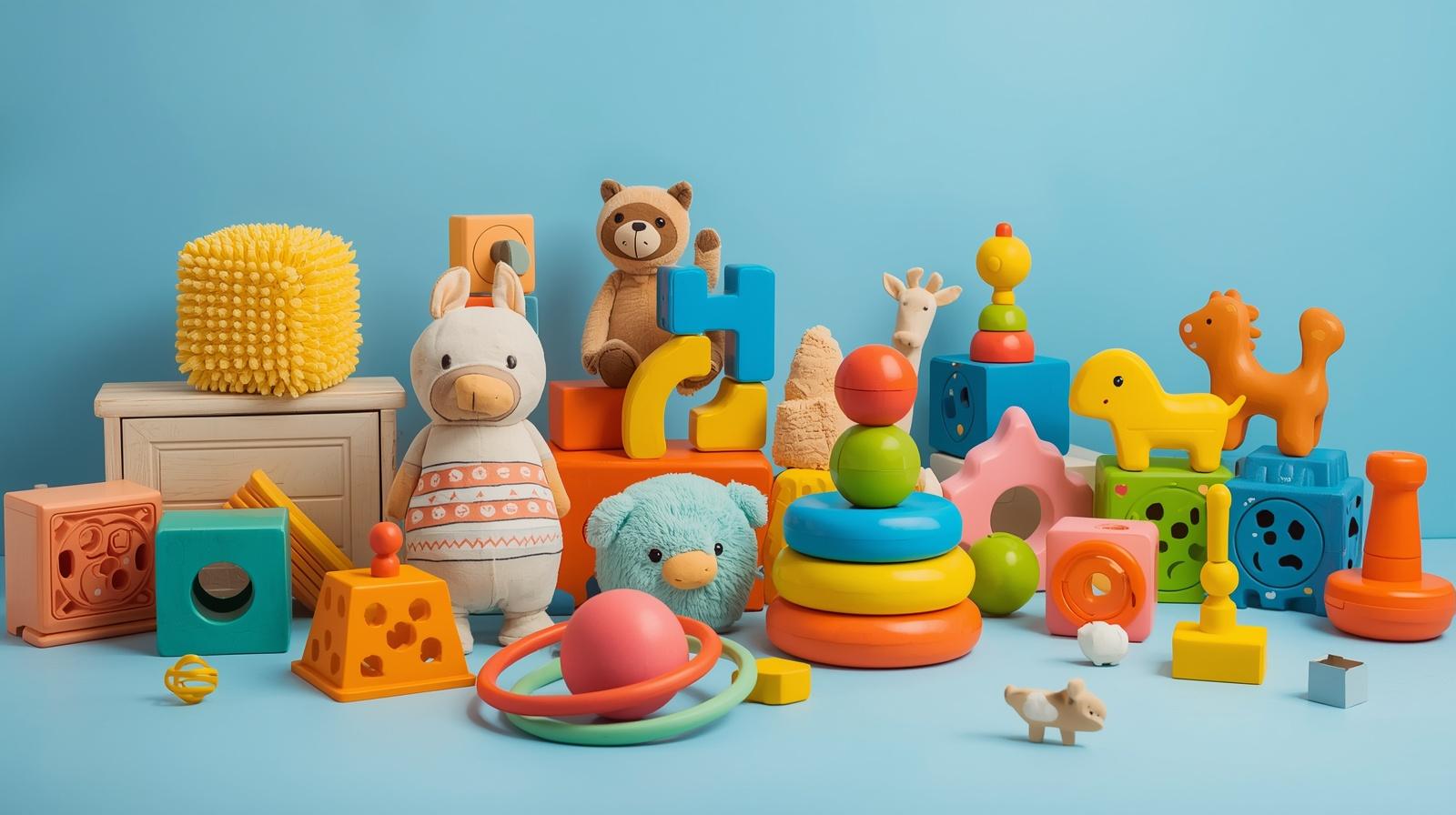
Toddlers absolutely love anything they can squish, stretch, or poke. Soft plushies, textured balls, and chunky puzzles give their hands plenty to explore. These touch-based toys are incredibly comforting during stressful moments.
Sound toys
Music and rhythm fascinate young children and keep them happily occupied. Simple wooden rattles, rainmakers, or even a toy drum provide instant feedback. Just be sure to pick sound toys with a volume you can actually tolerate!
Movement toys
Active toddlers need ways to channel their endless physical energy indoors. Spinners, simple push-and-pull toys, and silicone poppers keep their hands constantly moving. These toys are perfect for busy days when going to the park is not an option.
Water and sand play options
There is a reason kids flock to the sandbox or splash pad. Water tables and kinetic sand kits offer hours of engaging, open-ended play. They are excellent for outdoor playdates or easy bathroom activities before a bath.
Best sensory toys for toddlers at home
Finding the right toys means picking items that fit smoothly into your actual life. You want things that are durable, fun, and easy to manage.
Simple toys that work without setup
The best toys are the ones you can just hand to your child immediately. Silicone pop-it boards and textured stacking rings require absolutely zero preparation. You can pull them out during a fussy moment and get instant results.
Budget-friendly options moms love
You definitely do not need to spend a fortune to keep your kids entertained. Simple items like wooden blocks or crinkle books offer amazing value. The most engaging toys are often the most affordable ones.
Easy-to-clean choices
Kids are messy, so their toys need to survive frequent washing. Look for hard plastics, food-grade silicone, or machine-washable fabrics. Being able to wipe down a toy in five seconds is a huge win for any mom.
DIY sensory toys you can make in minutes
You probably already have a treasure trove of play items sitting in your kitchen. Making your own activities saves money and gets your creative juices flowing.
Household items that double as toys
A simple plastic mixing bowl and a wooden spoon can become a magical drum set. Uncooked pasta shapes in a sealed container make an excellent homemade shaker. Your kitchen cupboards are completely full of safe, exciting objects for your little one.
Quick setups for busy moms
You can create a fun activity in less than two minutes. Tape a piece of clear sticky paper to the wall and let them stick cotton balls to it. Fill a baking dish with a tiny bit of water and let them wash their plastic toy animals.
Safe and mess-controlled ideas
Messy play does not have to ruin your freshly vacuumed carpets. Put messy materials inside a large zip-top bag and seal the edges with strong tape. Your child can squish the paint or gel safely without getting a single drop on the floor.
Must Read: Sensory Activities for Infants To Boost Early Learning
How to choose the right sensory toys
Picking the right toy saves you from the frustration of buying things your child ignores. A little planning goes a really long way.
Age-appropriate picks
Always check the recommended age range before bringing a new item home. Toys meant for older kids might frustrate a younger toddler or pose a safety risk. You want an activity that challenges them just enough without causing tears.
Safety tips every parent should know
Safety is always the number one priority when dealing with curious toddlers. Ensure there are no small parts that could easily break off and become a choking hazard. Always supervise water play and immediately toss out any toys with cracked plastic.
What to avoid
Avoid toys with incredibly loud electronic sounds that cannot be turned off. Skip items made from cheap, brittle materials that might shatter when thrown. You should also pass on toys that have dozens of tiny pieces you will inevitably step on.
How to use sensory toys in your daily routine
Having the toys is only half the battle. Knowing exactly when to use them helps your whole day run smoother.
Playtime ideas that actually work
Set up a small play station while you are preparing dinner. Hand them a textured sorting toy while they sit safely in their high chair. This keeps them involved and busy while you chop vegetables in peace.
Quick activities for busy days
Keep a small basket of engaging toys in your car for running errands. A squishy stress ball or a sturdy pop-it toy works wonders in a grocery store cart. Having a portable distraction ready prevents public meltdowns before they even start.
Using sensory play to calm tantrums
When emotions run high, bring out a designated “calm down” toy. A glitter wand or a soft, heavy blanket can work like absolute magic. The physical sensation distracts their brain and helps them regulate their breathing.
Common mistakes parents make with sensory toys
We all make little mistakes when trying to entertain our kids. Learning from other moms helps you avoid unnecessary stress and clutter.
Overbuying toys that get ignored
It is incredibly tempting to buy every cute educational toy you see online. However, having too many options completely overwhelms a small child. Stick to a few high-quality items and watch their creativity blossom.
Choosing toys that are too advanced
Buying a toy they can “grow into” often backfires entirely. If a toy is too difficult to figure out, your child will abandon it out of sheer frustration. Buy for the developmental stage they are actually in right now.
Not rotating toys to keep interest
Leaving all their toys out at once makes everything seem boring. Hide half of their toys in a closet and swap them out every two weeks. Old toys will magically feel brand new again when they reappear.
Must Read: Sensory Bins for Toddlers That Keep Little Hands Busy At Home
Final thoughts on sensory toys for toddlers
Parenting never ends, but having a few clever tricks up your sleeve helps tremendously. You do not need to be a perfect Pinterest mom to create an engaging environment. You just need a few practical ideas that fit your real, messy life.
Keep your expectations realistic and focus on what your child genuinely enjoys. If they prefer banging pots to playing with expensive blocks, let them bang the pots! Following their natural interests makes playtime significantly more fun for both of you.
Using sensory toys for toddlers makes parenting easier because it works with their natural development. You are giving them the tools they need to grow, learn, and stay calm. You are doing a wonderful job, and we are right here cheering you on.
Did you find these simple toy ideas helpful for your daily routine? Leave a comment below with your child’s favorite activity, and let’s help each other out!
Frequently Asked Questions:
1. What are sensory toys for toddlers?
Sensory toys for toddlers are toys that stimulate touch, sound, sight, or movement to support learning and development.
2. Why are sensory toys important for toddlers?
They help toddlers explore their environment, build brain connections, and improve focus through hands-on play.
3. What age should toddlers start using sensory toys?
Most toddlers can start using sensory toys as early as 6 months, with age-appropriate supervision.
4. Do sensory toys help with tantrums?
Yes, sensory toys for toddlers can calm emotions by giving children a focused and soothing activity.
5. What are examples of sensory toys for toddlers?
Examples include textured balls, pop-it toys, rattles, water tables, and kinetic sand.
6. Are DIY sensory toys safe for toddlers?
Yes, as long as you use safe materials, avoid choking hazards, and supervise playtime.
7. How many sensory toys does a toddler need?
A few high-quality sensory toys are enough. Too many options can overwhelm your child.
8. Can sensory toys help with speech development?
Yes, they encourage interaction and help toddlers learn new words through play and description.
9. How do I choose the best sensory toys for toddlers?
Pick age-appropriate, safe, durable, and easy-to-clean toys that match your child’s interests.
10. How often should toddlers use sensory toys?
Daily short play sessions work best to support learning without overstimulation.

