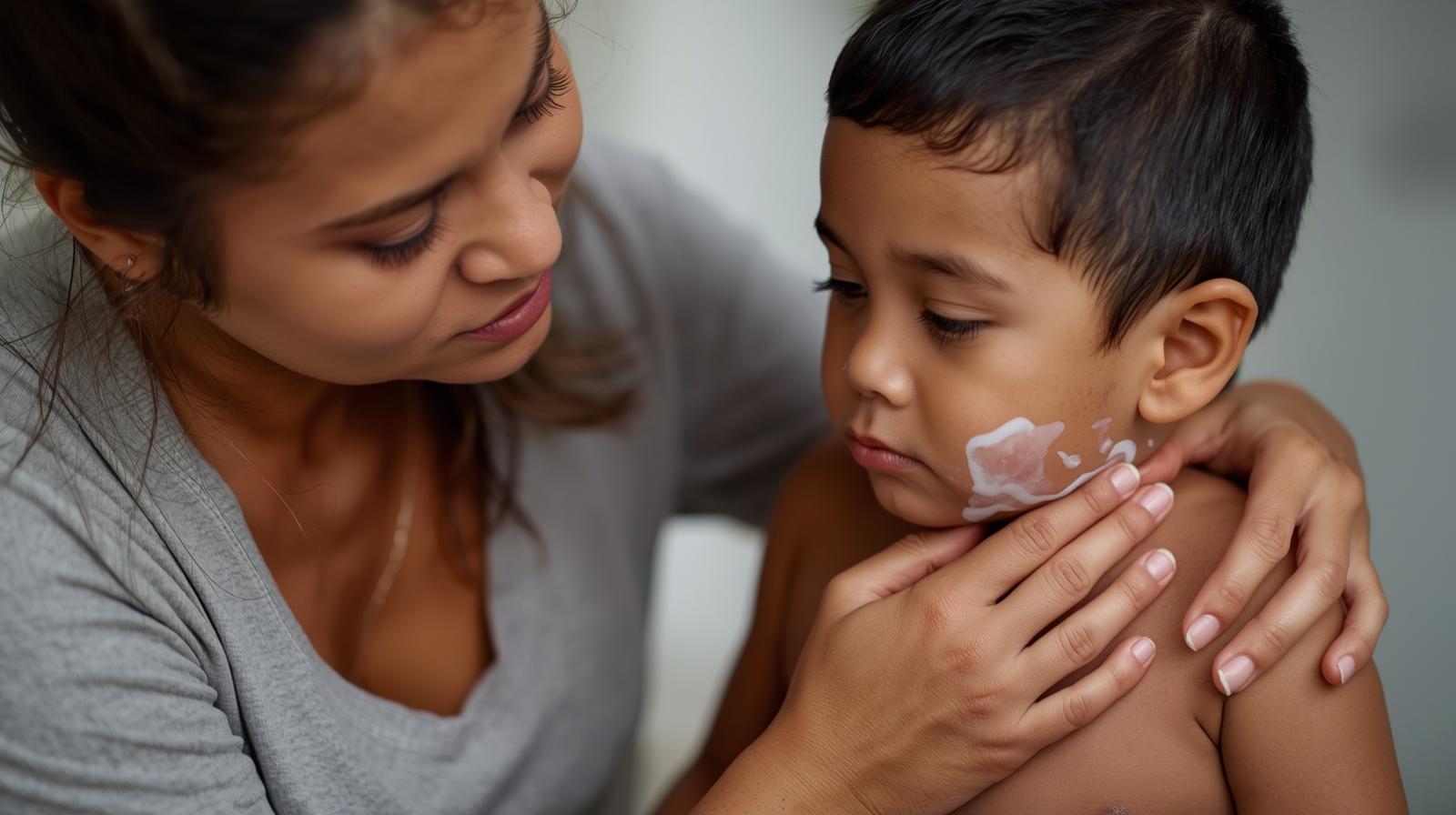
Seeing those rough, red patches on your little one’s skin can make any mom feel helpless. You try everything to stop the itch, but sometimes it feels like nothing works for long. The good news is that finding the right lotion for baby eczema can truly turn things around.
We’ve been there, staring at shelves of products and wondering which one is actually safe. It takes a bit of trial and error, but relief is absolutely possible. Let’s talk about what really helps soothe that sensitive skin with the right lotion for baby eczema.
Found a lotion that worked wonders for your little one? Tell us about it in the comments below!
Why Baby Eczema Shows Up Out of Nowhere
It can feel like eczema appears overnight, turning soft baby skin into a rough, itchy mess. One day everything is fine, and the next, you are dealing with flare-ups that just won’t quit. It is frustrating because you often can’t pinpoint exactly what triggered it.
Baby eczema happens because the skin barrier isn’t working quite as well as it should. This barrier is supposed to keep moisture in and keep irritants out. When it is weak, moisture escapes easily, and things like soap or dry air can cause big reactions.
Genetics also play a huge role in whether your baby develops this condition. If you or your partner have allergies or sensitive skin, your baby might be more prone to it too. It is not something you caused, so please don’t blame yourself for those patches.
Signs Your Baby’s Dry Skin Is More Than Just Dryness
It is easy to confuse regular dry skin with eczema, especially in the winter months. Simple dry skin usually goes away with a little extra moisturizer and doesn’t bother your baby too much. Eczema, however, is stubborn and often brings intense itching along with it.
You might notice patches that look red, scaly, or even slightly crusty. On lighter skin, these patches are usually pink or red, but on darker skin, they might look purple, grey, or brown. These spots often show up on cheeks, elbows, and behind the knees.
The biggest sign distinguishing eczema from simple dryness is the itch factor. If your baby is rubbing their face against the sheets or scratching at their legs, it is likely eczema. Getting a proper diagnosis helps you choose the right lotion for baby eczema effectively.
Must Read: Finally Find the Best Kids Water Bottle That Won’t Leak
What Parents Usually Try First and Why It Often Fails
Most of us start by grabbing the standard baby lotion that smells like lavender or baby powder. We assume that if it is made for babies, it must be gentle enough for skin issues. Unfortunately, these standard lotions are often too thin to provide real relief.
Many commercial lotions contain high water content, which evaporates quickly from the skin. They might feel nice going on, but they don’t lock in the moisture that eczema-prone skin desperately needs. Within an hour, your baby’s skin might feel dry and rough again.
Fragrances are another common culprit that causes parents to struggle with treatment. Those sweet-smelling ingredients can actually sting and irritate sensitive eczema patches. Switching to a specialized routine usually yields much better results than sticking with standard products.
What to Look for in a Baby-Safe Eczema Lotion
When you are hunting for relief, the label on the bottle matters more than the brand name. You want something thick, rich, and specifically designed for sensitive skin repair. A good lotion for baby eczema acts like a seal to trap water inside.
Look for words like “fragrance-free,” “hypoallergenic,” and “colloidal oatmeal” on the packaging. These indicate that the product is less likely to cause a reaction on angry skin. It should feel heavier than a regular daily moisturizer when you rub it between your fingers.
Certification seals can also be a helpful guide when you are feeling overwhelmed in the aisle. The National Eczema Association Seal of Acceptance is a great indicator of a safe product. It means the lotion has been tested and approved for sensitive, eczema-prone skin.
Ingredients That Help Soothe Baby Eczema
The right ingredients can make a massive difference in how quickly your baby’s skin heals. Colloidal oatmeal is a superstar ingredient that naturally calms itching and reduces inflammation. It creates a protective film over the skin that feels soothing immediately.
Ceramides are another must-have ingredient for rebuilding that damaged skin barrier. They are lipids (fats) that hold skin cells together and keep moisture locked in tight. Adding ceramides back into the skin helps it function like healthy, strong skin again.
Petrolatum might sound old-fashioned, but it is incredibly effective for baby eczema. It forms a physical barrier that prevents water loss better than almost anything else. Shea butter is also fantastic for deep hydration without harsh chemicals.
Ingredients to Avoid If Your Baby Has Eczema
Just as some ingredients heal, others can make the flare-up significantly worse. Fragrance is the number one thing to avoid, even if it is derived from natural essential oils. Scents often contain allergens that trigger immediate redness and stinging on broken skin.
Alcohol is another ingredient that hides in many lotions and dries out the skin. Look out for “ethanol” or “isopropyl alcohol” on the ingredient list and steer clear. It strips away natural oils, which is the opposite of what eczema skin needs.
Preservatives like parabens and formaldehyde releasers can also trigger contact dermatitis. While preservatives are necessary to stop mold growth, some are gentler than others. Stick to products with short ingredient lists to minimize the risk of irritation.
Must Read: Fine Motor VS Gross Motor: What Parents Really Need to Know
Lotion vs Cream vs Ointment for Baby Eczema
Not all moisturizers are created equal, and the texture really matters here. Lotions are the thinnest option, containing the most water and the least oil. They are okay for daily maintenance on healthy skin but often fail during a flare-up.
Creams are thicker than lotions and contain a balance of oil and water. They do a better job of sealing in moisture and are usually non-greasy. For mild to moderate eczema, a thick cream is often a great choice for Mom Kid Friendly routines.
Ointments, like petroleum jelly, are the thickest and most effective option available. They are greasy, which can be messy, but they hold moisture in the best. For severe patches, an ointment is usually the gold standard for healing.
How to Apply Lotion the Right Way for Best Results
Timing is everything when it comes to treating dry, itchy skin effectively. The absolute best time to apply lotion for baby eczema is immediately after a bath. We call this the “soak and seal” method, and it works wonders.
Pat your baby’s skin dry with a towel, leaving it slightly damp. Do not rub the skin, as this can irritate the eczema patches further. Apply a thick layer of moisturizer within three minutes of getting them out of the water.
This technique traps the water from the bath directly into the skin layers. If you wait too long and the skin dries completely, the lotion won’t work as well. Make this a non-negotiable part of your nightly bath routine.
How Often You Should Use Lotion on Baby Eczema
One application a day is rarely enough for skin that struggles to hold moisture. You should aim to moisturize your baby at least twice a day, morning and night. During a flare-up, you might need to apply it even more frequently.
If you are changing a diaper, take a quick second to check their legs. If the skin looks dry or chalky, add a quick layer of cream right then. Staying ahead of the dryness is easier than trying to fix a bad flare-up.
Consistency is the secret weapon that many parents overlook in the chaos of daily life. Even when the skin looks clear, keep up with the moisturizing schedule. This maintenance helps prevent future flare-ups from popping up unexpectedly.
Daily Habits That Make Lotion Work Better
Lotion is a huge piece of the puzzle, but it can’t do all the work alone. Keep bathwater lukewarm, not hot, because heat strips natural oils from the skin. Short baths of 10 minutes or less are better than long, soapy soaks.
Switch to a mild, fragrance-free body wash specifically made for sensitive skin. You actually don’t need to use soap on their whole body every single day. Just washing the “dirty parts” is often enough to keep them clean and healthy.
Dress your baby in soft, breathable fabrics like cotton or bamboo blends. Wool and synthetic fabrics can trap heat and scratch the skin, triggering immediate itching. Loose-fitting clothes allow the skin to breathe and reduce irritation.
When to Talk to a Paediatrician About Baby Eczema
Sometimes, despite your best efforts with lotions and creams, the skin just won’t heal. If you notice signs of infection, like yellow crusting or oozing, call the doctor. Infected eczema needs medical treatment and won’t go away with moisturizer alone.
If your baby is so itchy that they can’t sleep or play, it is time for help. A pediatrician might prescribe a mild steroid cream to get the inflammation under control quickly. This can give your baby relief and help the regular lotion work better.
Don’t feel like you have to suffer through sleepless nights without support. Doctors can also help you identify potential food allergies that might be triggering the eczema. Getting professional advice can save you weeks of stress and guessing.
Final Thoughts on Choosing the Right Lotion for Baby Eczema
Dealing with baby eczema is a journey that requires patience and a gentle touch. Finding the right lotion for baby eczema might take a few tries, but you will get there. Trust your instincts and pay attention to what your baby’s skin is telling you.
Remember that you are doing a great job caring for your little one. Small changes in your routine can lead to big improvements in their comfort. You have the tools to manage this and help your baby feel happy and itch-free.
Have a tip or question about handling baby eczema? Join the conversation below and let’s help each other out!
Must Read: Best Pull Ups for Potty Training: A Mom’s Guide to Success
Frequently Asked Questions
What is the best lotion for baby eczema?
The best lotion for baby eczema is thick, fragrance-free, and made for sensitive skin, often with ceramides or colloidal oatmeal.
How often should I apply lotion for baby eczema?
You should apply lotion for baby eczema at least twice a day and always after baths to lock in moisture.
Can I use regular baby lotion on eczema?
Regular baby lotion is often too thin and may contain fragrance, which can worsen eczema instead of soothing it.
Is lotion or ointment better for baby eczema?
Ointments usually work better for flare-ups, while lotion for baby eczema helps with daily maintenance.
When should I see a doctor for baby eczema?
See a paediatrician if the skin cracks, oozes, looks infected, or if itching disrupts sleep.
Author

