
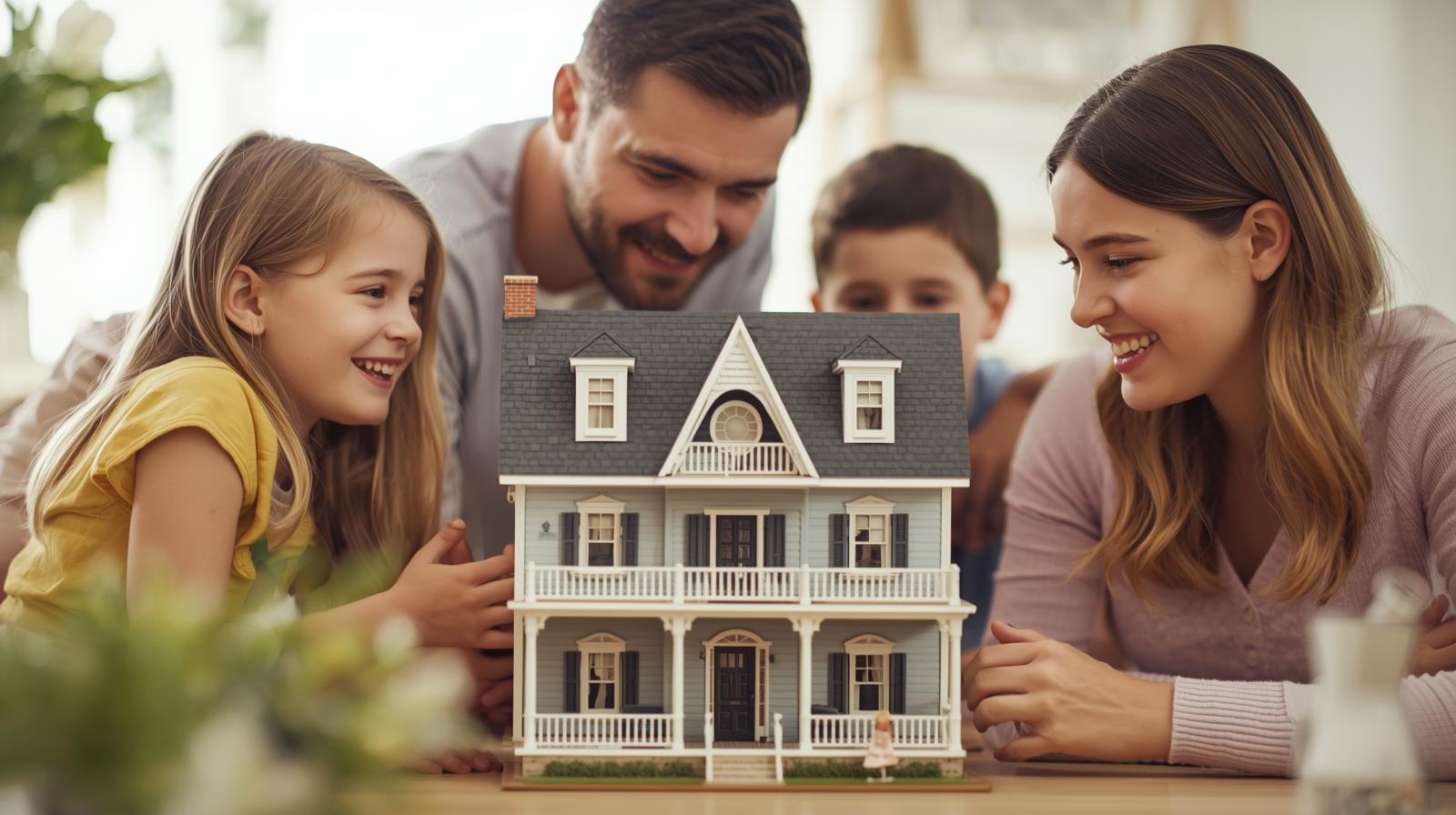
We have all been there, standing in the middle of a toy aisle, feeling completely overwhelmed by choices. You just want a toy that your child will actually play with, not one that sits collecting dust after two days. Finding a top rated dollhouse isn’t just about picking the prettiest one; it is about finding one that fits your real life.
My first dollhouse purchase was a total disaster because I bought the biggest one I could find, and it took over our entire living room. I quickly learned that the “best” house is the one that fits your space and your child’s imagination. You want something sturdy enough to handle tantrums and open enough to let multiple kids play at once.
In this guide, we are going to break down exactly what features make a top rated dollhouse worth the investment. We will skip the fluff and focus on the practical stuff that actually matters for busy moms like us. Let’s find the perfect play home for your little one together.
Have you found a dollhouse that has lasted through the years? Share your favorite finds in the comments below so we can help each other out!
Why a top rated dollhouse matters for real-life play at home
Buying a dollhouse is often one of the bigger investments we make in our kids’ toy collections. It feels like a rite of passage, but it is also a big plastic or wooden commitment in your home. A top rated dollhouse earns its title because it survives daily use, not just because it looks cute on Instagram.
When a toy is well-designed, it actually encourages your child to play independently for longer stretches of time. That means you might actually get to drink your coffee while it is still hot. High-quality dollhouses become the center of a playroom, inviting creativity without needing constant adult direction.
Cheaply made alternatives often break quickly, leading to frustration for your child and wasted money for you. A sturdy house withstands the rough and tumble of toddler years and grows into the storytelling phase of older kids. It is about quality over quantity when it comes to floor space.
What makes a dollhouse truly top rated by parents and kids
You might think kids just want the biggest house with the most lights and sounds, but that isn’t always true. The most loved dollhouses are often the ones that are easy to access from multiple angles. Open sides allow siblings to play together without fighting over who gets to touch the living room.
Durability is huge for us moms because nobody wants to be supergluing tiny furniture back together every Tuesday. A top rated dollhouse usually has chunky, solid furniture that fits comfortably in little hands. If the pieces are too delicate, they end up broken or lost at the bottom of the toy bin.
Neutral designs often win out over loud, character-themed houses because they last longer. Your child might love a specific cartoon today, but they might be over it by next month. A classic design lets their imagination decide who lives there, whether it is superheroes or a family of cats.
Must Read: Indoor Activities For Toddlers That Work At Home
How dollhouse play supports child development without pressure
We hear a lot about “educational toys,” but sometimes simple pretend play is the best teacher. Dollhouses are incredible for social and emotional development because kids act out what they see in real life. They practice conversations, work through conflicts, and explore different roles within a family structure.
You don’t need to hover or guide the play for it to be beneficial. Just listening to them chatter away to their dolls gives you amazing insight into how they view the world. It is a safe space for them to process their day, even the scary or confusing parts.
Fine motor skills get a major workout as they arrange tiny chairs and move figures up and down the stairs. It requires focus and steady hands, but it feels like fun, not work. This is learning in its most natural, stress-free form.
Choosing the right dollhouse based on age, space, and play style
Toddlers need very different dollhouses than seven-year-olds do. For the younger crowd (ages 2-4), look for “chunky” durability and fewer small parts that could be choking hazards. They need simple structures where it is easy to put a doll inside without knocking everything over.
Preschoolers (ages 4-6) start to care more about the details and the furniture arrangements. They enjoy houses with distinct rooms like a kitchen, bathroom, and bedroom to act out routines. This is the sweet spot for classic wooden houses that have a bit more detail but are still sturdy.
For older kids (ages 6+), size and realism often become more important. They might want lights that work, doors that open, or furniture that looks like what you have in your real home. Consider how much floor space you can dedicate before committing to a massive mansion.
Wooden vs plastic dollhouses: what works best for busy families
This is the great debate in the parenting world, and honestly, both have their pros and cons. Wooden dollhouses are generally sturdier, eco-friendly, and look much nicer sitting in your living room. They tend to be heavier, meaning they won’t tip over easily when an enthusiastic toddler leans on them.
Plastic dollhouses, on the other hand, are often lighter and easier to wipe down after a sticky playdate. They usually come with more interactive features like doorbells or elevators, which kids instantly love. However, they can crack if stepped on and sometimes feel a bit cluttered visually.
If you are looking for longevity and heirlooms, wood is usually the way to go. If you need something portable that can be hosed down in the backyard, plastic might be your winner. Choose the material that fits your lifestyle and your tolerance for bright pink plastic.
Dollhouse size and layout that fits small homes and shared spaces
Not everyone has a dedicated playroom, and giant dollhouses can quickly become tripping hazards. If you are tight on space, look for a vertical dollhouse that goes up rather than spreading out. Tall, narrow houses give you lots of play value without eating up your entire carpet.
Folding dollhouses are a total game-changer for apartments or shared bedrooms. You can open them up for playtime and then close them, storing them away on a shelf or under a bed. This keeps the clutter contained and makes cleanup feel much more manageable.
Open-concept layouts are generally better for shared play than closed-back houses. When a house is open on all sides, or at least very wide, two or three kids can play simultaneously. This reduces the “he’s in my way!” arguments that tend to happen with narrow, single-sided houses.
Must Read: Childrens Small Table And Chairs for Play at Home
Open-ended dollhouse features that keep kids playing longer
The best toys are the ones that don’t tell the child exactly how to play. A top rated dollhouse often has generic rooms rather than permanently stuck stickers defining every inch. Maybe the attic is a bedroom today, but tomorrow it is a superhero headquarters.
Look for moveable furniture rather than pieces that are molded directly into the floor. Kids love rearranging the layout, and it keeps the play fresh every time they approach the house. Being able to move the bed to the kitchen is surprisingly hilarious and fun for a four-year-old.
Simple figures often spark more imagination than highly specific character dolls. When a doll looks somewhat neutral, it can be a mom, a teacher, or an astronaut depending on the day. Open-ended features allow the toy to evolve as your child’s interests change.
Common mistakes moms make when buying a dollhouse
One of the biggest mistakes is buying a house that is too complicated to assemble. There is nothing worse than spending Christmas Eve sweating over 400 tiny screws and confusing instructions. Always check the reviews specifically for assembly time before you click “buy.”
Another trap is buying a house that doesn’t fit the dolls you already own. Make sure you check the scale—Barbies need much bigger houses than Calico Critters or generic wooden peg dolls. Nothing is more frustrating than a doll that can’t fit through the front door.
We also tend to overestimate how many accessories our kids actually need. A house packed to the brim with furniture leaves no room for the dolls to actually move around. Start with the basics and let them add their own homemade accessories later.
How to set up a dollhouse so kids play independently
Location is everything when it comes to getting kids to play on their own. If the dollhouse is tucked away in a dark corner of a bedroom, it will likely be ignored. Place it in a high-traffic area, like the corner of the living room, where they can be near you.
Keep the accessories organized in a small bin or basket right next to the house. If kids have to hunt for the teeny-tiny toilet, they will lose interest before they even start playing. Having everything accessible invites them to dive right in without asking for help.
Rotate the furniture or figures every few weeks to spark new interest. If they haven’t touched it in a while, set up a funny scene for them to discover in the morning. A dinosaur sleeping in the bathtub is usually enough to get them giggling and playing again.
Cleaning, storage, and keeping dollhouse play stress-free
Let’s be real, dollhouses can become magnets for dust and crumbs. Wipe down the floors and roof with a damp cloth or a baby wipe once a week. If you have a wooden house, avoid soaking it; just a quick wipe is plenty.
For all those tiny pieces, use zipper pouches or small clear containers to keep sets together. You can label them “kitchen,” “bedroom,” and “people” to make cleanup easier for the kids. Teaching them to sort the items helps them take ownership of their special toy.
Don’t stress if the house gets messy or disorganized during the day. That is a sign that good, immersive play is happening. Just have a quick “reset” routine before bed where everything goes back into the house or the bins.
When a dollhouse grows with your child and when it doesn’t
Some dollhouses are strictly for the toddler years and will be outgrown by age five. These are usually the chunky plastic ones with big buttons and simple sounds. They are great for now, but don’t expect them to last until middle school.
Wooden houses with a 1:12 scale (the standard for traditional dollhouses) tend to have the best longevity. They can start with simple, durable furniture and upgrade to more detailed pieces as the child gets older. A simple wooden frame can be renovated endlessly with craft paper wallpaper and handmade rugs.
Eventually, they will grow out of it, and that is okay too. When that happens, a high-quality, top rated dollhouse retains its value well. You can pass it down to a younger cousin or sell it to another mom who is looking for a deal.
Must Read: Learning Toys for 5 Year Olds That Keep Them Busy
Final thoughts on picking a top rated dollhouse that actually gets used
At the end of the day, the best dollhouse is the one that fits your family’s unique needs. It doesn’t have to be the most expensive or the most Instagram-famous model. It just needs to be a space where your child feels free to create their own little world.
Focus on durability, open-ended play, and a size that doesn’t make you want to scream. When you prioritize these things, you are investing in years of imaginative play. And honestly, that quiet coffee time you get while they play is worth every penny.
Mom Kid Friendly is here to help you navigate these choices without the stress. You are doing a great job, and whatever you choose will be perfect for your little one.
Did this guide help you narrow down your choices? Drop a comment below and tell us which style you are leaning toward!
Frequently Asked Questions
What age is best for a top rated dollhouse?
Most kids enjoy a top rated dollhouse from around age two through early elementary years. The right style depends on size, durability, and play features.
Is a wooden or plastic dollhouse better for kids?
Wooden dollhouses last longer and grow with kids, while plastic ones are lighter and easier to clean. The best choice depends on space and lifestyle.
How big should a top rated dollhouse be?
A top rated dollhouse should fit your floor space and your child’s height. Vertical or folding styles work best for small homes.
Do dollhouses help with child development?
Yes, dollhouse play supports imagination, language skills, social development, and fine motor coordination through pretend play.
What makes a dollhouse truly top rated by moms?
Durability, open-ended design, easy access for kids, and furniture that holds up to daily play are key factors moms value most.
Author

