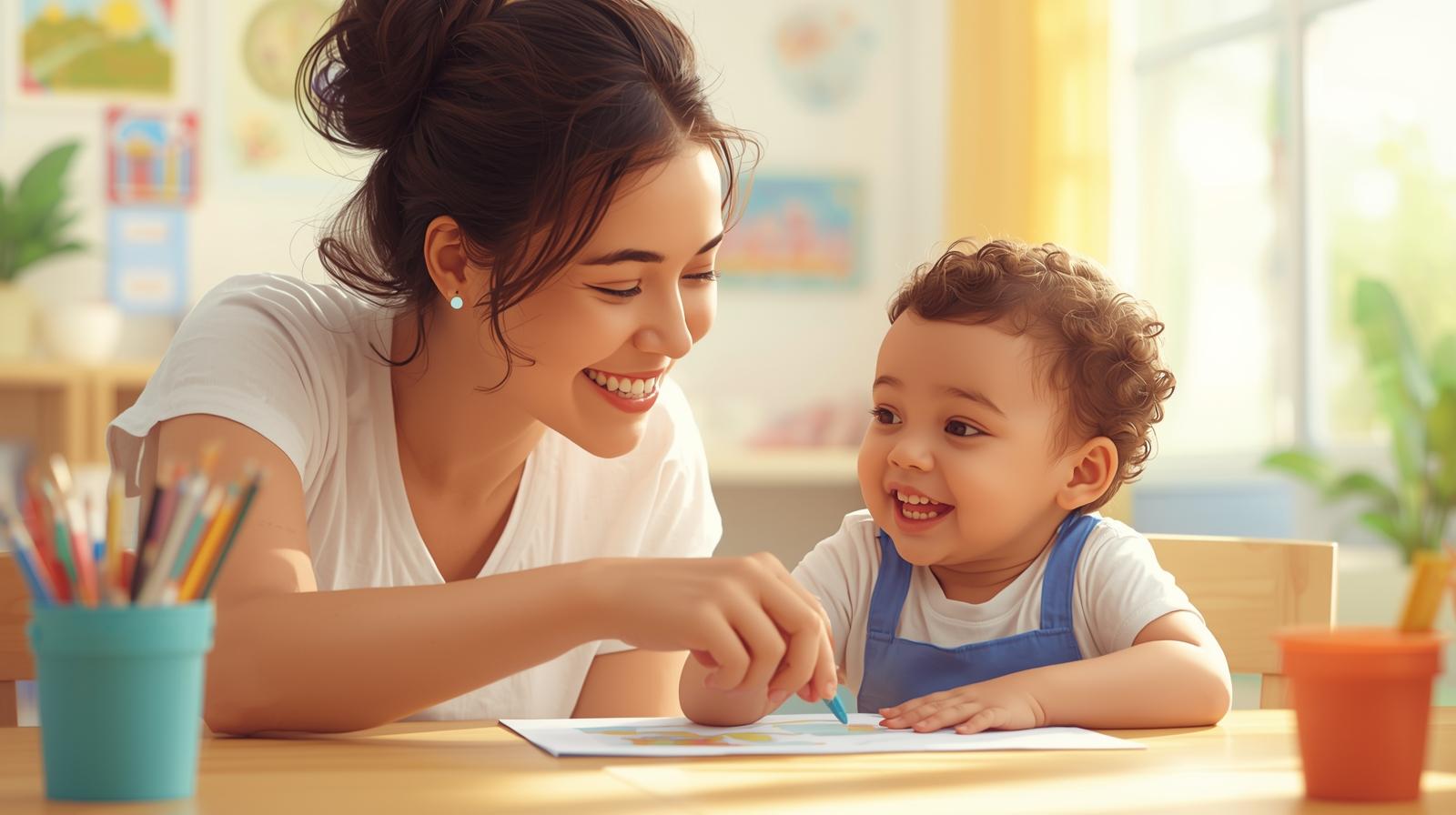
Your two-year-old is suddenly a busy little person with big feelings and even bigger energy. It feels like just yesterday they were wobbly babies, and now they want to explore everything in sight. You might be wondering how 2 year old learning activities fit into this stage without turning your day upside down.
The good news is that you don’t need a teaching degree to help your toddler learn. Learning at this age happens naturally through play, curiosity, and simple daily moments, which is why 2 year old learning activities often look like normal play. It doesn’t have to be complicated or expensive to be effective.
In this guide, we will explore practical 2 year old learning activities that fit easily into your day. We’ll cover everything from sensory play to language building, all without the stress of rigid schedules. Let’s make learning fun for both of you.
Ready for more real-life parenting tips? Join the Mom Kid Friendly community below for daily support!
Why 2 Year Old Learning Activities Matter More Than Worksheets
At this age, hands-on experience beats a worksheet every single time. Toddlers learn by touching, moving, and doing, not by sitting still at a desk. Their brains are wired to connect actions with results.
Worksheets often frustrate two-year-olds because their fine motor skills are still developing. They can’t hold a pencil perfectly yet, and that is completely normal. Forcing focused seatwork can actually make them dislike learning before they even start school.
Real learning happens when they squish playdough or stack blocks high. These activities teach physics, cause and effect, and problem-solving skills naturally. It is about the process of exploring, not the final product.
What Learning Looks Like at Age Two in Real Life
Real toddler learning often looks a lot like making a mess. It is dumping out the toy bin to see what is at the bottom. It is splashing water out of the bath to see where it goes.
You might see them repeating the same action over and over again. This repetition is how they master new skills and build confidence. They are testing the world to see if it works the same way every time.
Learning also looks like asking “what’s that?” fifty times a day. They are building their vocabulary and understanding how to categorize the world around them. It is messy, loud, and active, exactly how it should be.
Must Read: Fine Motor VS Gross Motor: What Parents Really Need to Know
How Attention Span and Play Connect at This Age
A two-year-old’s attention span is naturally very short. You can usually expect them to focus for about two to three minutes per year of age. That means a six-minute activity is a total win for your toddler.
If they wander away from a puzzle after three minutes, they aren’t being naughty. Their brains have simply absorbed what they can for that moment. Forcing them to finish can lead to frustration for everyone involved.
The key is to offer open-ended play that allows them to come and go. When play is led by their interests, they often stay engaged for longer periods. Follow their lead and watch how their focus grows naturally.
How to Set Up Learning Without Pressure or Schedules
You do not need a color-coded chart to teach your child. In fact, strict schedules often backfire with toddlers who crave independence. Instead, try a flexible rhythm that flows with your day.
Leave learning toys out in open baskets where your child can reach them easily. This “invitation to play” encourages them to choose activities on their own terms. It fosters independence and decision-making skills without you saying a word.
Focus on connection over perfection during these moments. If an activity isn’t working, it is okay to stop and try something else. The goal is a happy, curious child, not a completed curriculum.
Simple Daily Routines That Double as Learning Moments
Your everyday chores are actually goldmines for 2 year old learning activities. Sorting laundry teaches colors, matching, and categories. It is a math lesson disguised as a household chore.
Cooking together offers endless opportunities to learn. Letting them dump measured ingredients teaches volume and following directions. Even simply naming the vegetables you are chopping builds their vocabulary.
Grocery shopping is another fantastic learning trip. Ask them to find the red apples or count the bananas in the cart. You are getting errands done while their brains get a workout.
Language-Building Activities for 2 Year Olds
Talking to your toddler is the single best way to boost their language skills. Narrate your day like a sportscaster as you move through the house. “I am opening the fridge to get the cold milk.”
Reading books together daily is a non-negotiable for language development. You don’t always have to read every word on the page. simply pointing at pictures and naming them is huge for learning.
Singing nursery rhymes teaches rhythm and sound patterns. Songs with hand motions, like “Itsy Bitsy Spider,” connect movement to words. These simple interactions build the foundation for reading later on.
Fine Motor Skill Activities Using Everyday Items
You likely have everything you need for fine motor practice in your kitchen drawers. Give your toddler a colander and some pipe cleaners or dry spaghetti. Poking them through the holes requires focus and steady hands.
Stickers are another magical tool for little fingers. Peeling the back off a sticker is excellent work for their pincer grasp. Let them decorate a cardboard box or a piece of paper freely.
Using tongs to move cotton balls from one bowl to another is a fun challenge. It strengthens the hand muscles they will eventually use for writing. It is simple, quiet, and surprisingly engaging.
Must Read: 50+ Easy Activities for 2 Year Olds
Gross Motor Activities That Support Learning Through Movement
Toddlers need to move their whole bodies to regulate their energy and learn. Create a simple obstacle course using pillows and blankets in the living room. “Crawl under the table” and “jump over the pillow” teaches directional words.
Dancing is a fantastic way to practice coordination and listening skills. Play freeze dance where they have to stop moving when the music stops. It teaches impulse control in a really fun way.
Even taking a walk can be a gross motor lesson. Practice walking on a curb like a balance beam or jumping over cracks in the sidewalk. These movements help their brains organize sensory information.
Sensory Play Ideas That Hold a 2 Year Old’s Attention
Sensory play is a powerhouse for toddler development. A simple bin filled with dry rice and scoops can keep them busy for ages. They learn about capacity, texture, and pouring.
Water play is perhaps the easiest and most loved sensory activity. Fill the sink or a plastic tub and add cups, funnels, and spoons. It is calming and fascinating for curious little minds.
Playdough offers heavy work for little hands, which can be very soothing. Squeezing, rolling, and poking the dough builds hand strength. Add simple tools like cookie cutters to extend the play.
Easy Indoor Activities for Quiet Days at Home
Some days you just need quiet, low-energy activities to survive. Building a fort with blankets creates a cozy nook for looking at books. It changes the environment and makes old toys feel new.
Puzzle play is great for cognitive development and quiet time. Chunky wooden puzzles are perfect for small hands to manipulate. It teaches shape recognition and spatial awareness.
Coloring with chunky crayons on a big piece of paper tape to the floor is a hit. It allows them to use big arm movements while being creative. It keeps the mess contained and the toddler happy.
Outdoor Learning Activities for 2 Year Olds
Nature provides the best classroom for your active toddler. Go on a nature hunt to find a brown leaf, a smooth rock, or a green stick. It teaches observation skills and connects them to the environment.
Drawing with sidewalk chalk allows for big creativity and gross motor movement. Draw shapes and have them jump to the one you call out. It combines physical activity with shape recognition.
Digging in the dirt or sand is a classic for a reason. It is tactile, open-ended, and strengthens their immunity. Give them a shovel and let them discover what is underground.
Screen-Free Learning Ideas That Feel Like Play
You can absolutely teach concepts without turning on a tablet. Playing “I Spy” with colors teaches visual discrimination. “I spy something blue” encourages them to scan the room and identify objects.
Playing dress-up helps them process the world and build social-emotional skills. Struggling with buttons and zippers on costumes is great for fine motor skills. It fosters imagination and storytelling abilities.
Building with blocks teaches balance, gravity, and patience. When the tower falls, they learn resilience and how to try again. It is a foundational STEM activity that feels like pure fun.
Signs Your 2 Year Old Is Learning Even When It Looks Messy
Mess is often the hallmark of a really good learning session. If there is paint on their nose, they were exploring texture and color. If the books are all over the floor, they were investigating stories.
Noise is another sign that their brain is hard at work. Singing, banging, and talking to themselves are all ways they process information. They are experimenting with sound and their own voice.
Repeating the same messy activity might seem boring to you, but it is vital for them. They are verifying that the world is predictable and safe. Embrace the chaos as a sign of growth.
Common Mistakes Parents Make With Toddler Learning
One common mistake is expecting too much too soon from a toddler. Expecting them to write letters or sit still for twenty minutes sets everyone up for failure. Development happens at its own pace, not on a schedule.
Buying expensive “educational” toys is often unnecessary. Toddlers often prefer the box the toy came in anyway. Simple, open-ended items like blocks and balls offer more learning value.
Over-correcting them during play can kill their curiosity. If they hold the crayon “wrong,” let it go for now. The goal is the joy of creating, not perfect technique.
How to Rotate Toys and Activities Without Buying More
Toy rotation is a secret weapon for keeping 2 year old learning activities fresh. Pack half their toys away in a closet or bin. When you bring them back out a month later, they feel brand new.
Group toys by category, such as building, pretend play, and puzzles. Offer one or two choices from each category at a time. Too many choices can actually overwhelm a toddler and stop them from playing.
You can also rotate where the toys are located in the house. Moving the blocks to the kitchen might spark a whole new way of playing. A change of scenery can reignite their interest instantly.
When to Worry and When to Relax About Milestones
Every child develops on their own unique timeline. Some walk early but talk late, while others are chatterboxes who sit still. Comparing your child to others at the park is a thief of joy.
Trust your gut if you feel something is truly off. If you notice a regression in skills they used to have, call your pediatrician. You are the expert on your child.
For the most part, though, you can relax and enjoy the ride. Most children even out by the time they reach kindergarten. Celebrate the progress they are making right now.
How Moms Can Stay Consistent Without Burning Out
Consistency doesn’t mean doing a Pinterest-perfect activity every single day. It means showing up and engaging with your child in small ways. Five minutes of focused connection is better than an hour of distracted supervision.
Give yourself grace on the hard days when survival is the only goal. Turning on the TV so you can drink coffee is not failing. You are a human being, not a robotic entertainment center.
Find a simple rhythm that works for your specific energy levels. Maybe mornings are for messy play and afternoons are for walks. Do what feels sustainable for you and your family.
Final Thoughts on Keeping 2 Year Old Learning Activities Simple and Realistic
Parenting a toddler is a wild, exhausting, and beautiful journey. You are doing a great job just by caring enough to read this. Remember that you are your child’s first and most important teacher.
Keep the activities simple, follow your child’s lead, and don’t fear the mess. The best learning happens in the cozy, imperfect moments of daily life. You have got this, Mama.
Found this helpful? Join the Mom Kid Friendly conversation below and let us know your favorite toddler activity!
Must Read: Best Toys for 18 Month Old: A Mom’s Guide to Fun and Learning
Frequently Asked Questions
What are the best 2 year old learning activities at home?
The best 2 year old learning activities use play, movement, and daily routines like cooking, sorting laundry, and reading together.
How long should a 2 year old focus on learning activities?
Most two-year-olds focus for about five to six minutes, so short and flexible 2 year old learning activities work best.
Do 2 year old learning activities need to be educational toys?
No, everyday items like blocks, cups, books, and household tasks are often more effective than expensive toys.
How many learning activities should I do with my 2 year old each day?
A few simple moments spread throughout the day are enough, since 2 year old learning activities happen naturally during play.
Is it okay if my 2 year old refuses learning activities?
Yes, toddlers learn best when they lead, so taking breaks and following their interest keeps learning positive.
Author

