
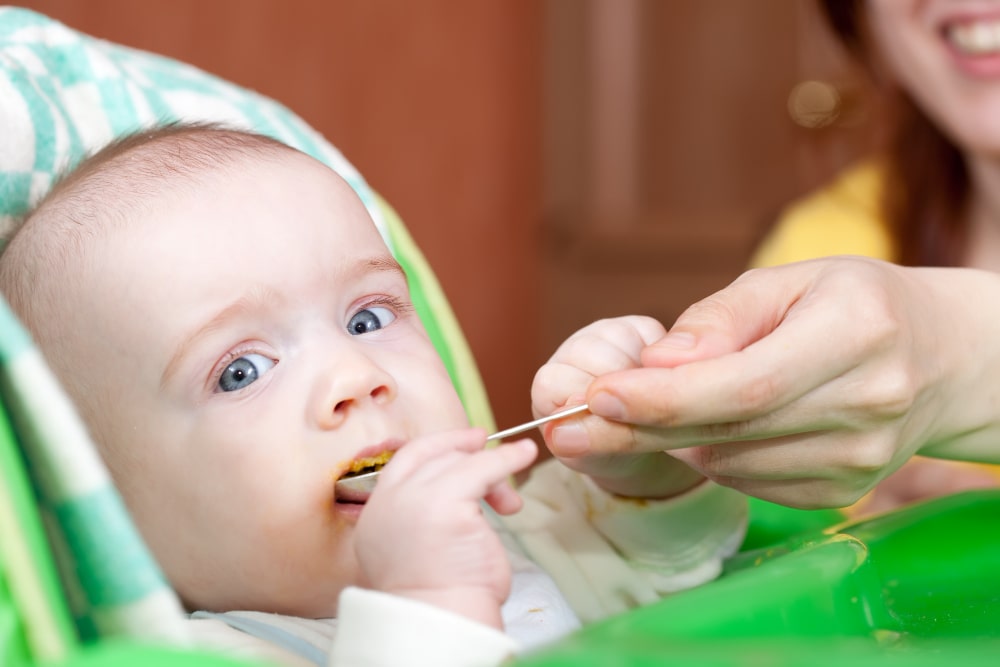
As a new parent, one of the most exciting moments is when you start introducing solid foods to your baby. It’s a sign that your little one is growing and developing, ready to explore new tastes and textures. But how can you tell if your baby’s ready to start solid foods? While every child is different, some common signs can indicate your baby is ready for this next stage of eating.
What are Solid Foods?
Solid foods refer to any food that is not in liquid form, such as breast milk or formula. These foods are typically more textured and require chewing rather than just sucking. Introducing solid foods to your baby’s diet can provide them with essential nutrients and help them develop healthy eating habits. Typically, solid foods are introduced to babies when they are around six months old, but it is important to watch for signs of readiness before introducing them.
You may also like: 14 Safety Tips for Children at Home: A Parent’s Guide
Signs Your Baby is Ready for Solid Foods
1. Sitting Up

The first sign that your baby is ready for solid foods is if they can sit up without support. Yes, this means that they can sit up on their own and hold their head steady. This is important because your baby should be able to sit up straight to swallow food safely. When they can sit up, it also means that their neck muscles are strong enough to support the movement of food from their mouth to their stomach.
If your baby is still wobbly and needs support to sit up, it’s best to wait a little longer before introducing solid foods.
2. No More Tongue Thrusting
Tongue thrusting or pushing food out of their mouth with their tongue is a normal reflex for babies until around 4-6 months of age. However, once your baby reaches the age where they are ready for solid foods, this reflex should have disappeared.
If you notice that your baby is still pushing food out with their tongue, it may be a sign that they are not ready for solids yet. It’s important to wait until this reflex has disappeared before introducing solid foods to avoid choking or gagging.
3. Watch Out for Allergies
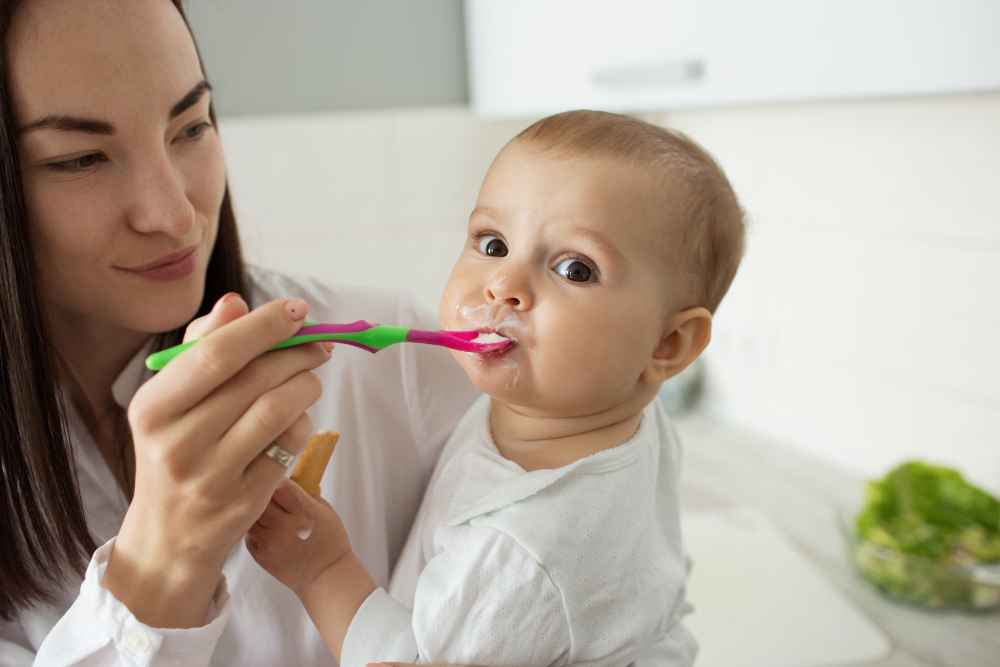
When introducing new foods to your baby, pay attention to any potential allergies. Some common allergenic foods include eggs, peanuts, dairy, and shellfish. It’s recommended to introduce these types of foods one at a time and in small amounts to watch for any reactions.
If your baby does react to a certain food, it’s important to consult with your pediatrician. They may recommend avoiding that particular food until your baby is older or suggest allergy testing. Always follow your doctor’s advice when it comes to managing allergies in your baby.
4. Offer Variety
As your baby grows and starts eating a wider range of foods, be sure to offer a variety of textures and flavors. This will help them develop their taste preferences and ensure they are getting a well-rounded diet. Don’t be afraid to introduce new foods and flavors, even if they have been known to cause allergies in the past. The earlier you expose your baby to different foods, the more likely they will be open to trying new things later on.
5. Consult with a Pediatrician
If you are unsure about what foods to introduce or how to manage your baby’s allergies, consult with a pediatrician. They can give you tailored advice and tips based on your baby’s unique needs and health history. They may also suggest allergy tests or refer you to an allergist for further evaluation and treatment. Keep in mind that every baby is different and may react differently to certain foods, so it’s always best to seek professional advice when in doubt.
6. Be Patient
Introducing new foods and managing food allergies can be a long and sometimes frustrating process. Patience and understanding are key when supporting your baby through this phase. They may reject certain foods or have adverse reactions, but with time and persistence, they can learn to enjoy a variety of healthy foods.
Here are a few tips to help you be patient during this journey:
- Remain positive: Babies can pick up on their parents’ emotions, so try to remain calm and positive even if your baby is not cooperating.
- Keep trying: It may take several tries for your baby to warm up to a new food. Don’t give up after just one attempt.
- Take it slow: Introduce new foods one at a time and wait a few days before introducing another new one. This enables you to detect any possible allergies or sensitivities with ease.
- Don’t force it: If your baby shows no interest in a certain food, avoid forcing them to eat it. Respect their preferences and try again another time.
- Make mealtime fun: Use colorful plates and utensils, play music, or make funny faces to make mealtime more enjoyable for your baby.
- Involve them: Let your baby help with meal prep by holding a spoon or mashing soft foods. This will make them feel included and more likely to try new foods.
Read More: 15 Tips for Managing Screen Time Effectively for Kids
My Experience with Introducing Solids to My Baby
During my journey as a new parent, one of the most exciting milestones was introducing solid foods to my baby. It was both rewarding and challenging at times, but ultimately it was a wonderful experience watching my little one explore new flavors and textures.
At first, I was nervous about starting solids. I constantly worried if my baby was ready, what foods to introduce first, and how to ensure they were getting the right nutrition. However, through trial and error, I learned some valuable tips that made the process easier and enjoyable for both me and my baby.
The Right Timing
One of the most common questions new parents have is when to start solids. According to the American Academy of Pediatrics, babies are typically ready for solid foods between 4-6 months, when they can hold their head up, sit with support, and exhibit interest in food. However, every baby is different, so it’s important to watch for these signs and consult with a pediatrician before starting solids.
First Foods
When introducing solids, it’s best to start simple. Pureed fruits or vegetables are usually the first foods recommended by doctors. Bananas, avocados, sweet potatoes, and peas are all great options that are easy to digest and packed with nutrients.
It’s important to introduce one new food at a time and wait a few days before introducing another to watch for any potential allergies or reactions. It’s also recommended to start with one meal a day and gradually increase to three meals a day over several weeks.
Homemade vs Store-Bought
Many parents wonder if they should make their baby’s food or purchase pre-made options from the store. Both have their advantages, and it ultimately depends on personal preference and lifestyle. Homemade baby food allows for complete control over ingredients and can be more cost-effective in the long run.
However, store-bought options offer convenience and often have added vitamins and minerals. Whichever option you choose, make sure to carefully read labels and choose nutritious options for your baby.
Bottom Line
Introducing solid foods to your baby is a significant milestone, but it’s essential to wait until they are developmentally ready. Look for the signs mentioned above, and consult with your pediatrician if you have any concerns or questions. Remember that every baby is unique and may be ready for solids at different times.
When the time comes, consider starting with single-ingredient purees and gradually introducing new flavors and textures. Homemade baby food can be a great option, but store-bought options also offer convenience and nutrition benefits.
It’s a good idea to include a mix of foods like fruits, veggies, grains, and proteins. So, make sure to include a range of colors and textures in your baby’s meals.
Frequently Asked Questions
When’s the right time to start giving your baby solid foods?
Most health experts recommend starting solid foods around 6 months of age. However, it’s important to ensure your baby shows signs of readiness, such as sitting up with minimal support and demonstrating an interest in food.
What should I start with when introducing solids?
Single-ingredient purees, such as mashed bananas or cooked sweet potatoes, are great first foods. These are gentle on your baby’s digestive system and help identify potential food allergies.
How can I know if my baby has a food allergy to something new?
Signs of a food allergy include rashes, vomiting, diarrhea, or swelling around the face. Introduce one new food at a time and wait three to five days before trying another to monitor for any reactions.
How much solid food should my baby eat in the beginning?
Start with a small amount, like 1-2 teaspoons, once a day. Gradually increase the portion and frequency as your baby becomes more accustomed to eating solid foods.
Should I give my baby water when starting solids?
Once solids are introduced, small sips of water can be offered during meals. However, breast milk or formula should remain the primary source of hydration and nutrition until age one.
