

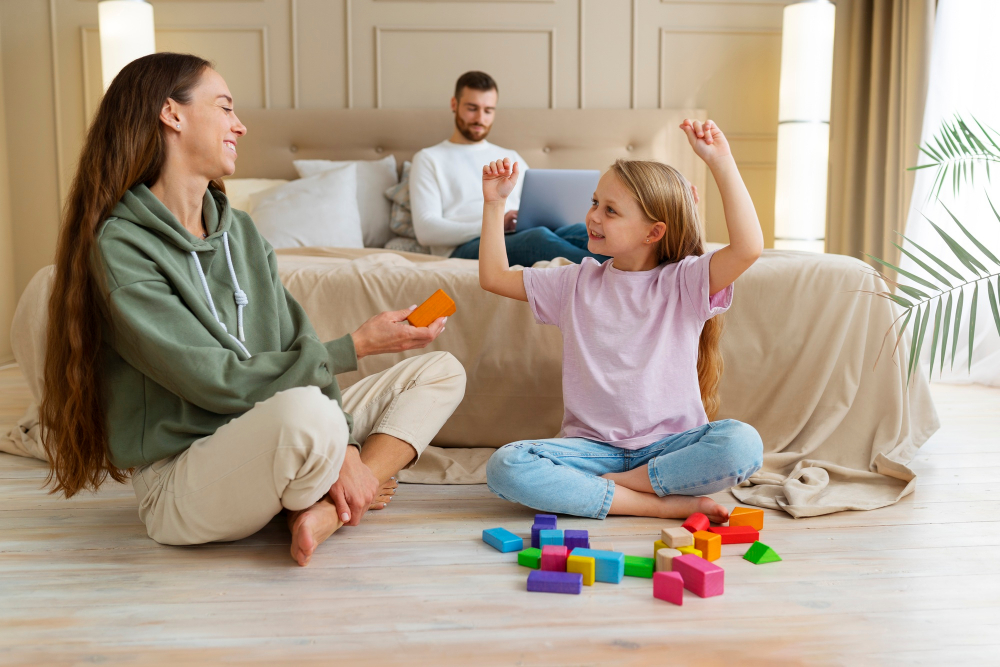
As parents, we all want our children to thrive and grow up to be independent and confident individuals. One important skill that can contribute to this is independent play. Yes, allowing children to engage in independent play can have numerous benefits for their development.
However, this doesn’t always come naturally to children, and as parents, we need to encourage and nurture this skill in our children. When children engage in independent play, they learn to entertain themselves and are less reliant on others for entertainment.
So, how can we encourage independent play in our children? Today, I will share with you some of the best strategies for promoting independent play in your child. If you implement these strategies consistently, you will see a significant increase in your child’s ability to play independently.
You may need: How to Teach Responsibility to Kids: A Guide for Parents
Why do I need to encourage independent play in children?
There are many benefits to encouraging independent play in children. Not only does it help them develop important skills, but it also has a positive impact on their overall well-being. Here are some reasons why you should encourage your child to engage in independent play:
- Develops Imagination and Creativity
- Builds Problem-Solving Skills
- Promotes Self-Confidence
- Promotes Cognitive Development
- Encourages Independent Thinking
- Improves Social Skills
- Enhances Focus and Concentration
- Helps to Manage Emotions
- Encourages Responsibility
- Promotes Physical Activity
Strategies for Promoting Independent Play In Children
1. Provide a designated play space
Creating a dedicated play area for your child is a great first step towards promoting independent play. This space should be easily accessible to your child and filled with a variety of toys and activities that they enjoy. Having a specific area for play will also help your child understand that this is their space and encourage them to use it for independent play.
2. Rotate toys and activities
Children can quickly become bored with the same toys and activities, leading them to rely on you for entertainment. To promote independent play, try rotating toys and activities on a regular basis.
It means keeping some toys out of children’s reach and bringing them back into the playroom after a few weeks, while taking other toys with you in return.
This method helps keep the playroom interesting and engaging for your child, as they have new toys and activities to explore each time. It also teaches them to enjoy and appreciate the toys they have.
3. Start Small and Build Gradually
Introducing independent play to your child may not be successful right away. It’s important to start small and build gradually, allowing your child time to adjust and develop the skills needed for independent play.
For example, you can start by setting a timer for 5-10 minutes and encouraging your child to play independently during that time while you are in the same room. As they become more comfortable with this routine, you can gradually increase the duration of independent playtime.
4. Create a Safe Environment
Create a safe and friendly environment while allowing your child to play independently. Make sure the space is child-proofed and free from any potential hazards. This will not only give you peace of mind, but it will also allow your child to explore and play without constant supervision. Remove any items that could be dangerous or harmful, and make sure all furniture is secured to the walls.
5. Encourage Exploration
Encourage your child to explore their environment during independent playtime. Provide a variety of toys and activities for your child to choose from, such as puzzles, blocks, books, and stuffed animals.
I noticed that many children love to explore different toys and activities. It is critical to provide a variety of options for your child to explore. This will not only keep them entertained but also aid in their development and learning.
For example, puzzles can help improve problem-solving skills, blocks can enhance fine motor skills, and books can promote language development. Also, allowing your child to choose which toy or activity they want to engage in can promote independence and decision-making skills.
6. Limit Screen Time
Too much screen time can negatively impact a child’s physical health, cognitive growth, and social development. It is recommended to limit screen time to no more than 1-2 hours per day for children ages 2-5.
This includes television, computer, tablet, and phone screens. Instead of relying on screens for entertainment, encourage your child to engage in active play, outdoor activities, and reading books.
Many studies have shown that excessive screen time can lead to issues such as obesity, sleep disturbances, and language delays.
7. Model Independent Behavior
Show your child that you also engage in independent activities. This will help them understand that independent play is a normal and enjoyable part of life. You can do household chores, work on a hobby, or read a book while your child plays nearby.
I always try to involve my child in whatever I am doing, but at times, I also make sure to have some me-time for myself. This not only allows me to recharge and relax, but it also sets a good example for my child.
Conclusion
Encouraging independent play in children is an important aspect of their development. It helps them build creativity, problem-solving skills, and independence.
As a parent, it is important to provide a safe and stimulating environment for your child to engage in independent play. I always make sure to have a variety of toys and activities available for my child to choose from.
If you have multiple children, it is also beneficial to encourage them to play together, as this can foster social skills and cooperation. However, it is equally important to allow them to have individual play time as well.
Frequently Asked Questions
How long should independent play last?
Ideally, independent play should last as long as the child is engaged and interested in the activity. There is no set time limit for independent play, as it varies from child to child.
Is it okay if my child doesn’t like playing alone?
Yes, it takes time for some children to adapt to playing independently. Be patient, gradually introduce solo activities, and praise their efforts to build their confidence. You can also set up a special play area with their favorite toys and activities to encourage them to engage in independent play.
Is it normal for my child to get bored during independent play?
Yes, boredom is a natural part of the process and can actually nurture creativity. If your child expresses boredom, offer them suggestions or introduce new toys and activities to increase their interest.
Related Reading: How to Teach Kids Good Manners: A Guide for Parents
