

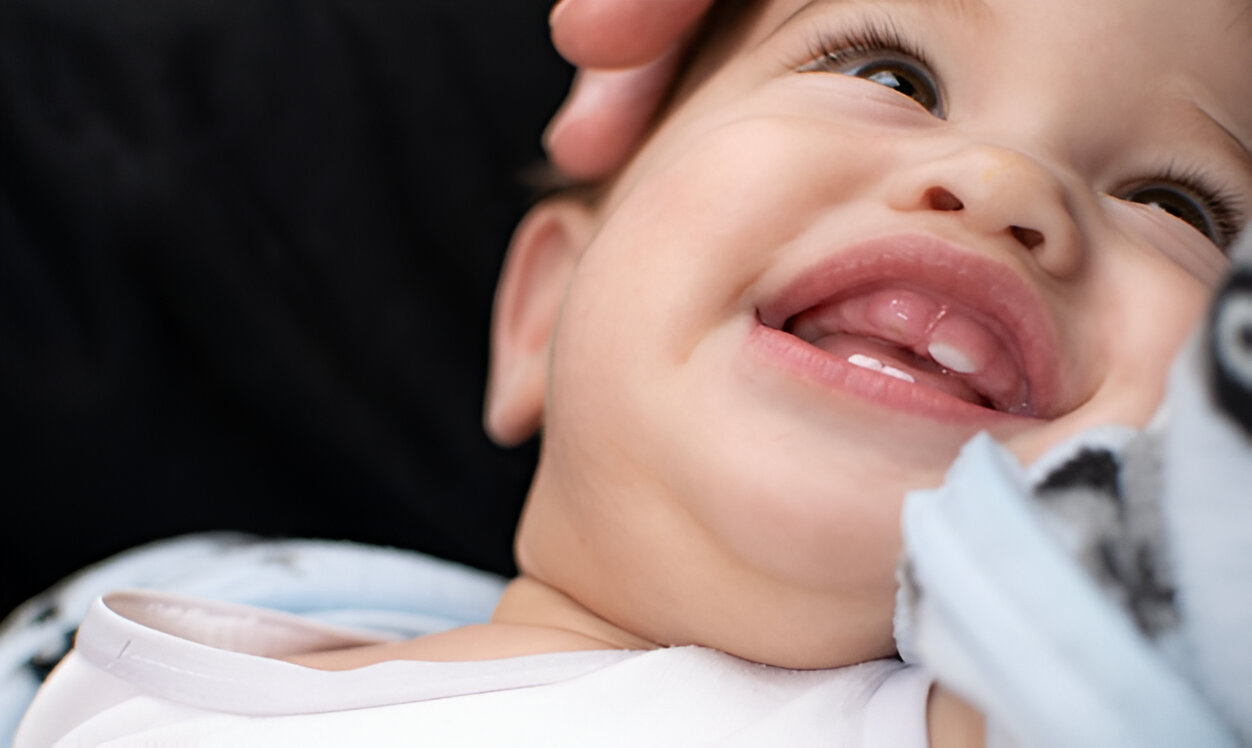
Have you ever wondered why babies cry more than usual during a certain stage of their development? One answer could be that they are teething and experiencing pain. Teething is the process of a baby’s first teeth emerging from their gums, and this usually occurs between six to nine months old.
It can be a challenging time for both the baby and parents, as it often comes with symptoms. These symptoms can include irritability, excessive drooling, swollen gums, and trouble sleeping.
But what about canine teeth? Are canine teeth painful for babies more than other teeth?
What Are Canine Teeth?
Canine teeth are the pointed, tooth-shaped teeth that are located on either side of the incisors in our mouths. In babies, they are also known as the “eye teeth” because of their location below the eyes.
They are the fourth tooth from the middle on both sides of the upper and lower jaw. Canine teeth are also present in animals such as dogs, wolves, and cats, which is where their name originates from.
Related Reading: Signs Your Baby is Ready for Solid Foods
When Do Babies Get Their Canine Teeth?
Typically, babies will start getting their canine teeth between 16 and 20 months of age. However, this can vary from baby to baby. Some babies may start teething earlier or later than others, and the order in which their teeth come in can also vary. Therefore, it is important to remember that every baby’s teething journey is unique and may not follow a strict timeline.
Signs of Teething Canine Teeth
The process of getting canine teeth can be uncomfortable for babies and may cause them to experience some discomfort. Some common signs that your baby is teething their canine teeth include:
- Increased drooling
- Irritability and fussiness
- Difficulty sleeping
- Swollen or tender gums
- Refusal to eat or drink
- Chewing on objects or fingers
- Low-grade fever
- Excessive crying
As mentioned earlier, teething affects each baby differently and some may not experience all of these symptoms. It is important to monitor your baby’s behavior and offer extra comfort and care during this time.
Are Canine Teeth Painful for Babies?
The answer is: yes, canine teeth can be quite painful for babies. Many parents report that this stage of teething seems to cause the most discomfort for their little ones.
Why are canine teeth painful for babies? Here are some reasons:
- Shape and Size: Canine teeth are sharper and larger compared to front teeth, making them more difficult to push through tender gums.
- Location: These teeth erupt through an area with thick gum tissue, which can cause increased pressure and soreness.
- Timing: Often, canine teeth emerge during a time when babies are also going through other developmental changes, such as learning to crawl or walk. This added stress can make the teething process even more uncomfortable.
How to Soothe Canine Teething Pain in Babies
If you find yourself searching “are canine teeth painful for babies,” know that you’re not alone. Many parents look for effective and safe ways to help their little ones during this tough stage. Here are some practical remedies and tips to bring comfort and relief:
1. Gentle Gum Massage
Gently massaging your baby’s gums with a clean finger can provide relief and help soothe their discomfort. Before giving your child a gum massage, make sure to wash your hands thoroughly. Then, use a clean finger to gently rub their gums in a circular motion. This can help alleviate the pressure caused by teething and provide a sense of comfort to your little one.
2. Chilled Teething Rings
A cool (not frozen) teething ring can provide relieving pressure on sore gums. The cold numbs the area a bit, alleviating pain. Always supervise your baby when using teething toys.
3. Extra Cuddles and Comfort
Sometimes, the best remedy is simply being close to your baby. Snuggling and rocking can provide reassurance and a sense of safety during times of discomfort.
4. Offer Chilled Foods
For babies who are eating solids, soft, chilled foods like yogurt or applesauce can soothe sore gums. Always ensure foods are safe for your baby’s age and eating abilities.
5. Maintain Good Oral Hygiene
Even before all the teeth are in, wipe or gently brush your baby’s gums and teeth with a silicone finger brush or a soft baby toothbrush. This keeps their mouth clean and can also provide comfort.
6. Teething Biscuits
Teething biscuits can keep little hands and mouths busy. Make sure you choose biscuits appropriate for your baby’s age and development stage. Always supervise your baby while they are eating to prevent choking hazards.
7. Addressing Fever or Discomfort
If your baby has a slight fever, you might use a damp cloth for their forehead. Be aware, however, that high or persistent fever is not a normal part of teething; contact your pediatrician if concerned.
8. Use Pain Relief Carefully
If your baby seems especially uncomfortable and other remedies aren’t working, consult your doctor about using infant pain relievers like acetaminophen. Always follow the advice and dosage from a healthcare provider.
Tips for Parents: Easing the Teething Journey
- Be Prepared for Disrupted Sleep: Extra night wake-ups are common. Console your baby and try to keep the room calm and soothing.
- Stay Patient: Teething, especially when canine teeth come in, is just a phase. It may seem long, but it will pass.
- Don’t Blame Everything on Teething: If your baby has symptoms like high fever, diarrhea, or a rash, call your doctor. These are usually not teething-related and may need medical attention.
- Routine is Helpful: Try to keep regular routines for meals, naps, and bedtime to help your baby feel secure.
When to See a Doctor
While teething pain is uncomfortable, it should not be extreme. If your baby:
- Has a high or persistent fever
- Refuses to eat or drink for more than a few hours
- Appears lethargic or inconsolable
- Shows any unusual symptoms
It’s best to consult your pediatrician to rule out other causes.
You may also like: 13 Safety Tips for Children at Home: A Parent’s Guide
Final Thoughts
So, are canine teeth painful for babies? The answer is yes, they often cause discomfort, sometimes more so than other teeth. However, with patience, comfort, and simple remedies, you can help your baby get through this challenging phase.
Remember, every baby is different. Some may breeze through canine teething, while others might need a little extra care and attention. Trust your instincts, offer lots of love, and don’t hesitate to seek support from your pediatrician if you’re ever unsure.
Watching your baby grow and develop is an amazing journey, with a few bumps along the way.
Frequently Asked Questions
Are all babies affected by canine teething pain?
No, not all babies experience pain during the teething process. Some may have little to no discomfort at all, while others may have more sensitivity and discomfort. It varies from baby to baby.
Are there any foods that can help a teething baby?
Soft, cold foods like chilled yogurt, purees, or applesauce can be soothing for your baby’s gums. Avoid hard or overly sugary foods that might cause discomfort or harm to their developing teeth.
Should I be concerned if my baby hasn’t developed canine teeth yet?
Not necessarily. Teething timelines vary widely among children. If your baby shows no signs of canines by the age of three, consult your pediatrician or dentist to ensure everything is developing normally. In the meantime, continue to monitor your baby’s oral health and hygiene.
