

The longest part of some days is that stretch between “I’m bored” and dinner. If you’re trying to cut back on devices without turning every afternoon into a power struggle, a simple bank of screen free activities for kids can make home life feel calmer fast. The goal is not to keep children entertained every second.
It’s to offer options that support play, creativity, movement, and a little more peace for everyone. These screen free activities for kids can help children stay busy without another show, game, or tablet session. They also give parents a simple way to bring more balance into everyday routines.
Why screen free activities for kids matter
Most parents are not looking for perfect balance. They’re looking for practical balance. Screens can be helpful, especially when you need to cook, answer emails, or just catch your breath, but too much screen time can leave some kids more irritable, less physically active, or more likely to melt down when it’s time to stop.
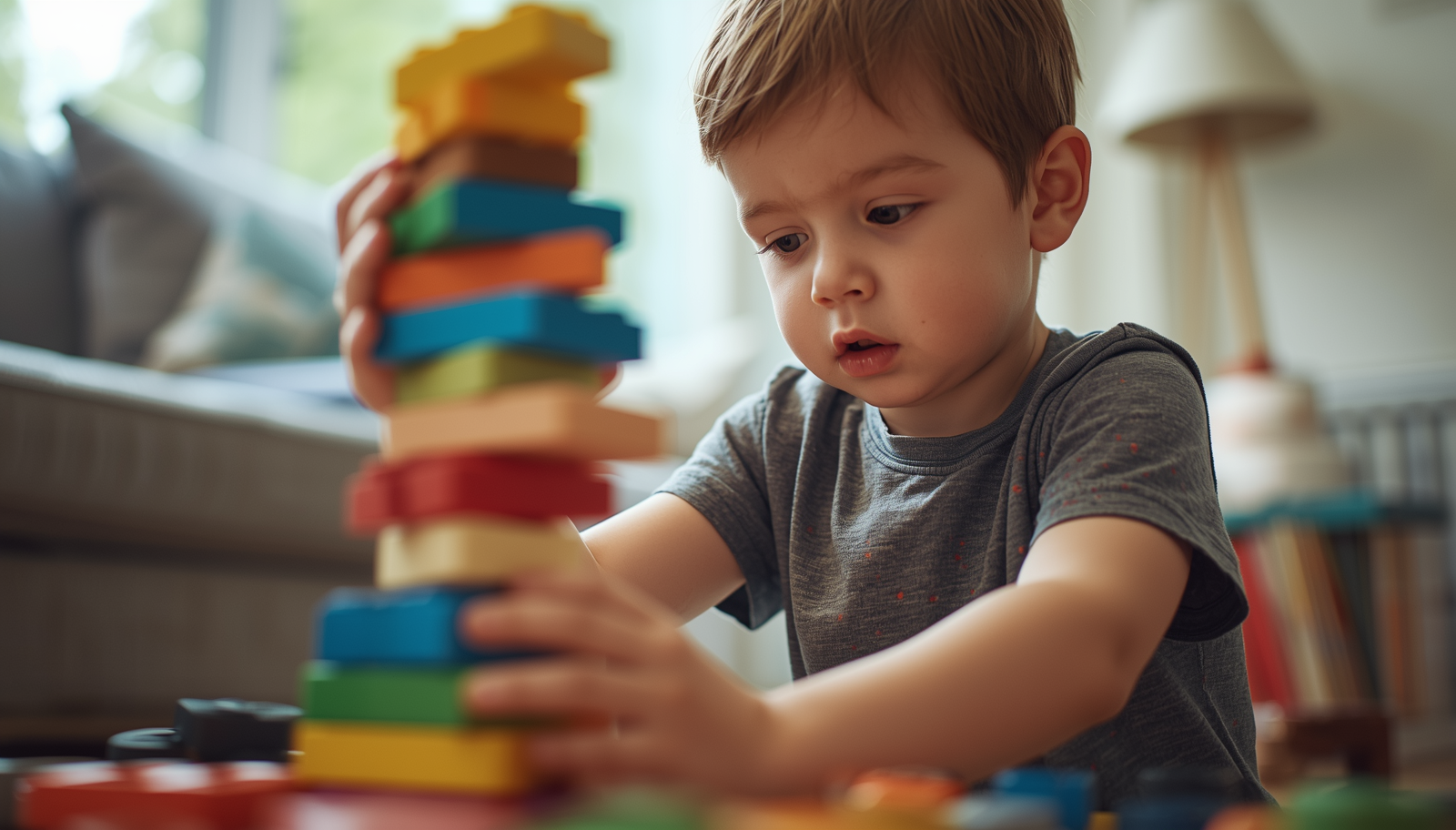
Screen free time gives children something different. It helps them practice attention, frustration tolerance, imagination, and independent play. It also creates more chances for real-life sensory experiences, whether that means stacking blocks, mixing muffin batter, digging in dirt, or building a fort out of couch cushions.
That said, not every child responds the same way. Some kids switch easily from screens to open-ended play. Others need a clearer structure and a little help getting started. Age, temperament, and your family’s schedule all matter here.
Must Read: Laser Tag Guns and Vests: The Ultimate Guide to Screen-Free Family Fun
A better way to choose activities
Parents often feel pressure to come up with clever ideas all day long, but that usually isn’t sustainable. It helps more to think in categories. When you know your child tends to need movement, creativity, connection, or quiet time, it gets easier to pick an activity that actually fits the moment.
For example, a child bouncing off the walls after school may not be ready for coloring right away. A child who is overstimulated may not want a loud group game. Matching the activity to your child’s energy level saves everyone frustration.
Active screen free activities for kids
When kids are restless, movement usually works better than another seated task. Indoor obstacle courses are a favorite because they use what you already have. Pillows become stepping stones, tape becomes a balance line, chairs become tunnels, and a timer makes it feel exciting.
Dance breaks also do more than burn energy. They can reset the mood in a house quickly. Put on music, let kids freeze when it stops, or take turns making up silly moves. Younger children especially love when parents join in for even five minutes.
Treasure hunts are another easy win. Hide a few toys, puzzle pieces, or snack containers and give simple clues. For older kids, make the clues harder or turn the hunt into a themed mission. This works well on rainy days when everyone needs a fresh challenge.
Backyard play, sidewalk chalk games, scooter time, and simple ball games are all solid options too. They may not look fancy, but repetition is not a problem if your child still enjoys it. Familiar activities often lead to more independent play than brand-new ones.
Must Read: Laser Tag Guns and Vests: The Ultimate Guide to Screen-Free Family Fun
Creative activities that keep hands busy
Creative play helps children slow down and make their own choices. Art supplies do not need to be elaborate to be useful. Paper, crayons, tape, glue sticks, child-safe scissors, and a box of recyclable materials can go a long way.
Try open-ended prompts instead of directing the whole activity. Ask your child to make a robot, design a pretend restaurant menu, create a birthday card for someone they love, or build a town from boxes. When there’s no single right answer, kids often stay engaged longer.
Play dough is another strong option because it combines sensory input with creativity. Children can roll, flatten, hide beads inside, or make pretend food. If your child likes structure, challenge them to make letters, numbers, or animals.
Sticker scenes, watercolor painting, friendship bracelets, bead sorting, and collage-making can also work well, especially for kids who need a calmer activity after a busy school day. If attention spans are short, keep the setup small. A simple tray with just a few materials is often more inviting than a giant craft bin.
Quiet and independent activities for slower moments
Not every screen-free moment needs to be high energy or parent-led. In fact, one of the most helpful things you can do is build a list of activities your child can return to with minimal help.
Books are the obvious option, but they are not the only one. Audiobooks can be a great middle ground for children who want a story but need a break from visual stimulation. Puzzles, magnetic tiles, LEGOs, pattern blocks, lacing cards, and sticker books can all encourage focused, independent play.
A quiet basket can be especially helpful for younger kids. Rotate in a few items they do not use all the time, such as animal figures, a small flashlight, mini notebooks, or a seek-and-find book. Novelty helps, but you do not need to buy new things constantly. Rotating familiar items often works just as well.
Sensory bins can be wonderful too, though they are not right for every parent or every kitchen floor. If mess stresses you out, choose lower-mess fillers like pom-poms, scoops, cups, or dry pasta on a tray. The best activity is the one you can actually tolerate repeating.
Family-centered activities that build connection
Some of the best screen free activities for kids are the ones that help families reconnect without putting pressure on the moment to be magical. Baking is a good example. Measuring, stirring, pouring, and decorating all give children a job to do, and the process naturally invites conversation.
Simple board games and card games can also teach turn-taking, patience, and problem-solving. Younger kids may need short rounds and lots of reminders, while older children often enjoy games that involve strategy or teamwork.
Reading aloud still works surprisingly well, even for children who can read independently. Shared reading creates a gentle pause in the day. It can be part of bedtime, after lunch, or that tricky hour before dinner.
You can also involve kids in everyday routines in a more playful way. Folding washcloths, matching socks, watering plants, wiping the table, or organizing a snack drawer may not sound exciting at first, but children often enjoy real responsibility when it feels manageable and shared.
How to make screen-free time easier at home
A good idea is only helpful if your child will actually try it. One way to reduce resistance is to prepare before the bored moment hits. Keep a short written list of activity choices on the fridge, in a jar, or in a small basket. When kids can see their options, they’re less likely to default to asking for a screen.
It also helps to create gentle routines around predictable parts of the day. Maybe screens stay off until after outdoor time. Maybe there is always a table activity available while you make dinner. Maybe Saturdays start with family chores and then a fun choice. Consistency removes some of the negotiation.
Transitions matter too. If your child has been using a device, switching directly into independent imaginative play can feel hard. A bridge activity often works better, such as a snack, a quick stretch, or helping you with a simple task before moving into play.
And if your child complains of boredom, that does not always mean your plan is failing. Boredom can be uncomfortable, but it often comes right before kids think of something on their own. You do not have to rescue the moment immediately.
When screen-free plans do not go smoothly
Some days your child will reject every suggestion. Some days you will need the screen because you have a meeting, a sick toddler, or no energy left. That does not undo the value of screen-free time on other days.
Try not to treat this as all or nothing. A realistic family rhythm is usually more effective than a strict rule you cannot maintain. If your home feels better with a few dependable screen-free habits, that is meaningful progress.
At Mom Kid Friendly, we believe parenting gets easier when support feels usable in real life. That is especially true here. The most successful screen-free routines are rarely the most elaborate ones. They are the ones that fit your child, your space, and your actual day.
If you want this to stick, start small. Pick three activities your child already enjoys, make them easy to access, and use them consistently. Over time, those small choices can turn screen-free time from a struggle into a familiar, comfortable part of family life.
Must Read: Indoor Stuff to Do When You’re Stuck At Home With Kids
Frequently Asked Questions
What are the best screen free activities for kids at home?
Some of the best screen free activities for kids at home include obstacle courses, treasure hunts, arts and crafts, puzzles, LEGO building, baking, reading, and pretend play.
Why are screen free activities for kids important?
Screen free activities for kids help build creativity, focus, problem-solving, physical movement, and independent play skills while reducing reliance on devices.
How do I get my child interested in screen free activities?
Start with activities your child already enjoys and keep them easy to access. Giving choices and matching activities to your child’s energy level can also reduce resistance.
What are good screen free activities for kids after school?
After school, active ideas like dance breaks, scooter rides, obstacle courses, or backyard games often work well for restless kids.
What are calming screen free activities for kids?
Quiet options include audiobooks, puzzles, colouring, sticker books, sensory bins, magnetic tiles, and reading time.
How long should kids spend doing screen free activities?
There is no perfect number. Even short periods of screen free activities for kids throughout the day can help create better balance.
Are screen free activities for kids expensive?
No. Many screen free activities for kids use items already at home, such as paper, pillows, books, toys, kitchen supplies, or recycled materials.
What are easy screen free activities for toddlers?
Toddlers often enjoy sensory play, stacking blocks, colouring, sticker activities, simple treasure hunts, and pretend kitchen play.
Can screen free activities help with boredom?
Yes. Boredom often leads children to create games, explore ideas, and become more independent once they have simple activity options.
How can parents reduce screen time without arguments?
Gentle routines, activity jars, transition time, and clear expectations can make screen-free time feel more natural and less like a punishment.
