
You buy a beautiful, expensive toy for your baby’s first birthday. You unwrap it with excitement, expecting them to play with it for hours. Instead, they spend the whole afternoon playing with the cardboard box it came in.
Finding the right toys for a 1 year old is a unique challenge. Toddlers change so fast, and what they love today might end up ignored tomorrow. It can feel incredibly frustrating when your living room is overflowing with toys for a 1 year oldthey never touch.
Here at Mom Kid Friendly, we know how exhausting it is to waste money on clutter. You just want simple, engaging items that give you a few minutes to drink your coffee hot. That is why we put together this guide to finding toys your child will actually use.
Want more simple, everyday parenting hacks? Join our Mom Kid Friendly community below and get weekly tips sent straight to your inbox!
Toys for a 1 Year Old That Actually Keep Toddlers Busy
Toddlers are busy little explorers who need activities that match their energy. Toys for a 1 year old need to do more than just light up. They need to invite your child to touch, move, and solve tiny problems.
The most engaging items give kids a sense of control over their playtime. Things that open, close, spin, or stack hold their attention much longer. When they figure out how something works on their own, they stay engaged.
Look for items that do not do the work for the child. If a toy just requires pushing one button to watch a 10-minute show, they will get bored. Active play always beats passive entertainment when you want to buy some quiet time.
Must Read: Popular Gifts for 2 Year Olds That Parents Actually Love
Why Finding the Right Toys at One Year Old Feels So Hard
One-year-olds are stuck in a tricky in-between stage of development. They are not babies anymore, but they are not fully talking toddlers yet either. Finding things that fit this specific window feels like guessing in the dark.
Their motor skills are growing, but they still get frustrated easily. If a toy is too hard to use, they will just throw it across the room. If it is too simple, they will toss it aside after five seconds.
Marketing makes this process even harder for busy moms. Every box promises to turn your baby into a genius overnight. You are not alone if you feel overwhelmed in the toy aisle.
What 1-Year-Olds Are Learning Through Play
Play is the main way your one-year-old learns about the world. They are figuring out cause and effect with every item they drop on the floor. When they throw a block, they are actually running a little physics experiment.
Their fine motor skills are developing rapidly during this stage. They are learning to use their thumb and pointer finger to pick up small objects. Toys that encourage them to grasp and pinch help build these crucial muscles.
Gross motor skills are also taking center stage right now. Pulling up, cruising, and taking those wobbly first steps take massive amounts of brain power. The right playtime activities give them a safe reason to practice moving their bodies.
Must Read: Best Toys for a Seven Month Old That Keep Babies Busy
How to Choose Safe and Age-Appropriate Toys
Safety always comes first when shopping for this age group. Everything your toddler touches will eventually end up in their mouth. You must make sure there are no small parts that could break off and become a choking hazard.
Check the labels for non-toxic materials and sturdy construction. Wooden toys should be smooth with no splinters or chipping paint. Plastic items need to be thick enough that they will not shatter when dropped on hard floors.
Age recommendations on boxes are a helpful starting point. However, you know your child’s skill level better than any manufacturer does. Always trust your gut if something seems too advanced or dangerous for your specific kid.
Best Sensory Toys for Early Learning
Sensory play is huge for brain development at this age. Toddlers learn by touching, tasting, hearing, and seeing everything around them. Sensory toys give them safe ways to explore different textures and sounds.
Here are some great sensory options:
- Soft squishy blocks with different fabric textures
- Water mats that let them poke floating shapes
- Textured balls that are easy for tiny hands to grip
You do not need anything complicated to provide good sensory input. Even a safe mirror is a fantastic sensory tool for a toddler. They love looking at their own reflections and making funny faces.
Push and Pull Toys That Build Walking Confidence
Once your baby starts cruising, they want to be on the move constantly. Push toys give them the stability they need to practice taking independent steps. They provide a safe base while building their leg strength and balance.
Shopping carts and sturdy wooden walkers are absolute favorites for this stage. Just make sure the base is wide enough that it will not tip over easily. You can even weigh down the front of a walker with books to make it safer.
Pull toys become fun once they are more confident on their feet. Dragging a little wooden dog on a string makes walking feel like a fun game. It encourages them to look backward while walking, which builds excellent coordination.
Musical Toys That Keep Toddlers Engaged
Kids this age naturally love music and rhythm. Banging on things is a milestone, even if it gives you a mild headache. Musical toys channel that banging energy into something slightly more productive.
Simple instruments are usually the best choice for toddlers. A basic wooden xylophone or a small drum offers immediate reward for their effort. Shakers and maracas are also great because they are easy to hold and use.
Try to avoid toys that just play loud electronic songs automatically. You want items where the child has to create the noise themselves. It teaches them cause and effect while saving your sanity.
Stacking and Sorting Toys for Brain Development
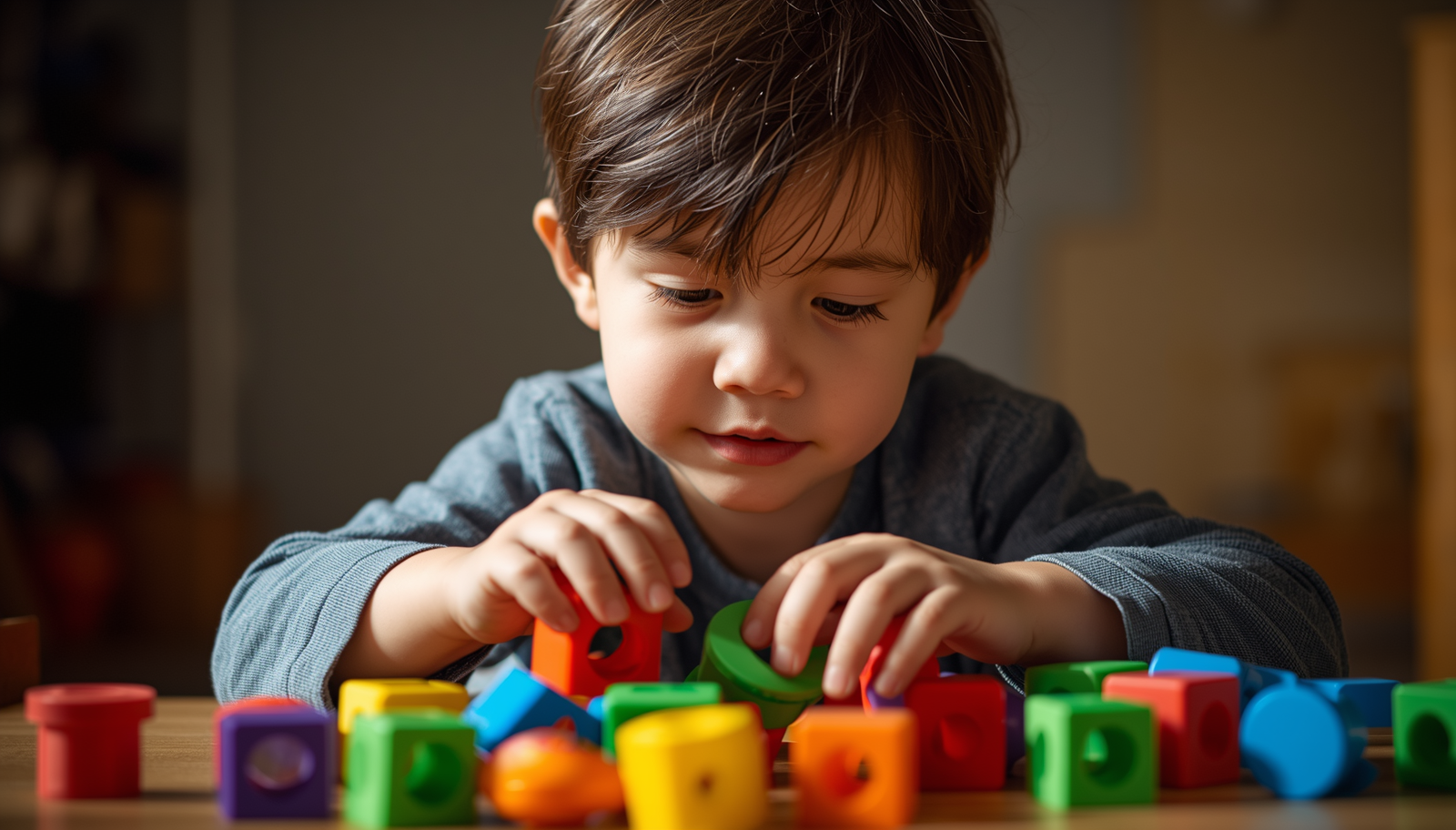
Stacking things up and knocking them down is a classic toddler game. It helps them develop hand-eye coordination and spatial awareness. Ring stackers and simple nesting cups are staples for a good reason.
Shape sorters might be a bit challenging at first, but they are great for growth. Your child will likely just pull the lid off and dump the blocks at first. Eventually, they will figure out how the shapes fit into the holes.
Start with very simple stacking activities. Huge plastic blocks that easily lock together prevent frustration. As they get older, they can move on to smaller, trickier pieces.
Pretend Play Toys That Spark Imagination Early
Around their first birthday, kids start imitating what you do. They want to talk on the phone, stir pots, and wipe down tables. Pretend play toys let them safely copy your everyday actions.
Top pretend play items include:
- Toy telephones with chunky buttons
- Play food and simple kitchen utensils
- Chunky toy cars or trains
These items do not have to be expensive or elaborate. A clean, empty remote control without batteries is often their favorite toy. They just want to feel like they are doing adult things.
Outdoor Toys for Active One-Year-Olds
Getting outside can instantly cure a cranky toddler. Fresh air and open space let them burn off that endless energy. Outdoor toys encourage gross motor skills in a way indoor play just cannot match.
Water tables are an absolute lifesaver during warm months. Toddlers will happily splash and pour water for ages while you sit nearby. Just standard plastic cups and a bucket of water can keep them busy.
Ride-on toys that they power with their own feet are also excellent. They help build core strength and teach steering basics. Plus, they make a walk around the block much more entertaining for them.
Quiet Toys Parents Secretly Love
Sometimes you just need the house to be quiet for ten minutes. Quiet toys are the secret weapon every mom needs in her parenting toolkit. These are the items you bring out during long car rides or when you need to make a phone call.
Soft fabric books with flaps and crinkle pages are perfect for quiet time. Magnetic drawing boards let them scribble without making a mess on your walls. Chunky puzzles with only three or four pieces hold their focus beautifully.
The trick is to only bring these quiet toys out when you really need them. If they have access to them all the time, they lose their magic. Keep a special basket hidden away for these emergency moments.
Montessori-Inspired Toys for Independent Play
Montessori toys focus on real-life skills and natural materials. They are usually simple, beautiful, and highly engaging for toddlers. These items encourage independent play because they are open-ended.
An object permanence box is a great Montessori item for a one-year-old. They drop a wooden ball in a hole and watch it roll out the bottom. It reinforces the idea that things still exist even when they cannot see them.
Simple wooden blocks are another perfect example. There is no right or wrong way to play with them. They can stack them, line them up, or use them as pretend food.
Budget-Friendly Toys That Toddlers Actually Use
You do not need to spend a fortune to make your child happy. Some of the most beloved toys for a 1 year old are very cheap. Toddlers are easily impressed and do not care about brand names.
A pack of colorful plastic cups from the dollar store offers endless fun. They can stack them, hide things under them, or use them in the bathtub. An empty tissue box filled with fabric scraps is another huge hit.
Thrift stores are amazing places to find gently used toddler gear. Just make sure to clean everything thoroughly before handing it over. You can easily build a great playroom on a very tight budget.
Common Toy Mistakes Parents Make
One big mistake is buying toys that do all the playing for the child. If a toy flashes lights and sings while the kid just watches, they will lose interest fast. The child should be the one doing the active work.
Another common error is putting out too many toys at once. A massive pile of options overstimulates toddlers and makes it hard for them to focus. They end up dumping every bin instead of actually playing with anything.
Finally, do not buy toys for the age you want them to be. Buy toys for the age and skill level they are right now. A toy meant for a three-year-old will only cause your baby frustration today.
How Many Toys Does a 1-Year-Old Really Need?
The truth is, they need far fewer toys than you think. A smaller selection actually encourages deeper, more focused play. When they have fewer choices, they get more creative with what they have.
Try limiting their available toys to about eight to ten items at a time. This gives them enough variety without overwhelming their little brains. You will notice they play much longer when the space is clean and clear.
Quality is always more important than quantity. Five sturdy, open-ended items will serve your family much better than fifty cheap plastic gadgets. Less clutter means less stress for both of you.
Easy Toy Rotation Tips to Keep Playtime Fresh
Toy rotation is a game-changer for toddler moms. When you hide half their toys and bring them out a month later, they feel brand new. It is the easiest way to keep playtime exciting without spending money.
Get two or three large plastic bins to store the extra items in a closet. Every Sunday night, swap out a few toys in their play area. When they wake up Monday morning, they will be thrilled by the “new” options.
Group toys into categories when you rotate them. Make sure there is always one puzzle, one building toy, and one pretend play item available. This ensures they have a good variety of activities to choose from.
Gifts Parents Recommend Most for One-Year-Olds
When family members ask what to buy for a first birthday, it is helpful to have a list ready. Experienced moms usually recommend practical items that grow with the child. Board books are always a fantastic, affordable gift request.
Memberships to local children’s museums or zoos are incredible clutter-free gifts. They give your family a reason to get out of the house on weekends. It builds memories instead of taking up space in your living room.
If they want to buy a physical item, ask for building blocks or a play tunnel. These items are loved at age one, and still loved at age three. They provide true longevity for the money spent.
Screen-Free Play Ideas Using Everyday Household Items
Your kitchen cabinets are full of amazing toddler toys. A wooden spoon and a metal pot can keep a baby busy for a shockingly long time. Tupperware containers with lids are basically free shape sorters.
Painters tape is a secret parenting hack for this age. Put a few strips of tape on the floor and let them try to peel it up. It is an amazing fine motor activity that costs practically nothing.
Give them a clean sponge and a tiny bowl of water on the kitchen floor. They will happily wipe the linoleum while you cook dinner. It is simple, safe, and screen-free entertainment.
Signs Your Toddler Is Bored With Their Current Toys
If your toddler is whining constantly, they might just be bored. When they dump every bin but walk away without playing, their environment is not engaging them. It might be time for a toy rotation.
Throwing items aggressively can also be a sign of boredom or frustration. If an item is no longer challenging them, they find new (and naughty) ways to use it. Pay attention to how they interact with their things.
When you notice these signs, do not rush to the store immediately. Try taking away half the items in the room first. Sometimes less visual noise is all they need to focus again.
Must Read: Learning Toys for 2 Year Old That Help Toddlers Grow
Final Thoughts on Choosing the Best Toys for a 1 Year Old
Raising a one-year-old is a beautiful, messy, and exhausting adventure. You are doing an amazing job navigating this tricky stage of development. Remember that you are your child’s favorite plaything, no matter what is in the toy box.
Do not stress over having the perfect, Pinterest-worthy playroom. Simple, budget-friendly items will bring your child just as much joy. Stick to open-ended items that let them use their growing imaginations.
Take a deep breath and trust your instincts. You know exactly what your little one needs to thrive. You have got this, mama!
Did you find this list helpful? Drop a comment below with your toddler’s current favorite toy, or share this post with a mom friend who could use a break!
Frequently Asked Questions
What are the best toys for a 1 year old?
The best toys for a 1 year old encourage movement, problem-solving, and sensory play. Push toys, stacking cups, musical toys, and simple pretend play items work very well.
Are Montessori toys good for a 1-year-old?
Yes, Montessori toys help toddlers build independence and focus. Simple wooden blocks, object permanence boxes, and stacking toys are great choices.
How many toys should a 1-year-old have?
A 1-year-old only needs a small selection of toys at one time. Around eight to ten toys helps reduce overwhelm and improves focus.
What toys help a 1-year-old learn to walk?
Push walkers, sturdy carts, and ride-on toys help build balance and confidence while learning to walk.
Are sensory toys important for toddlers?
Yes, sensory toys help toddlers explore textures, sounds, and movement. They support brain development and fine motor skills.
What are safe toys for a 1-year-old?
Safe toys should be non-toxic, durable, and free from small choking hazards. Always check labels and age recommendations before buying.
Why do toddlers lose interest in toys quickly?
Toddlers get bored when toys are too simple, too difficult, or overstimulating. Toy rotation helps keep playtime exciting.
What household items can toddlers play with safely?
Plastic cups, wooden spoons, empty tissue boxes, and containers with lids can become fun screen-free toddler activities.
