
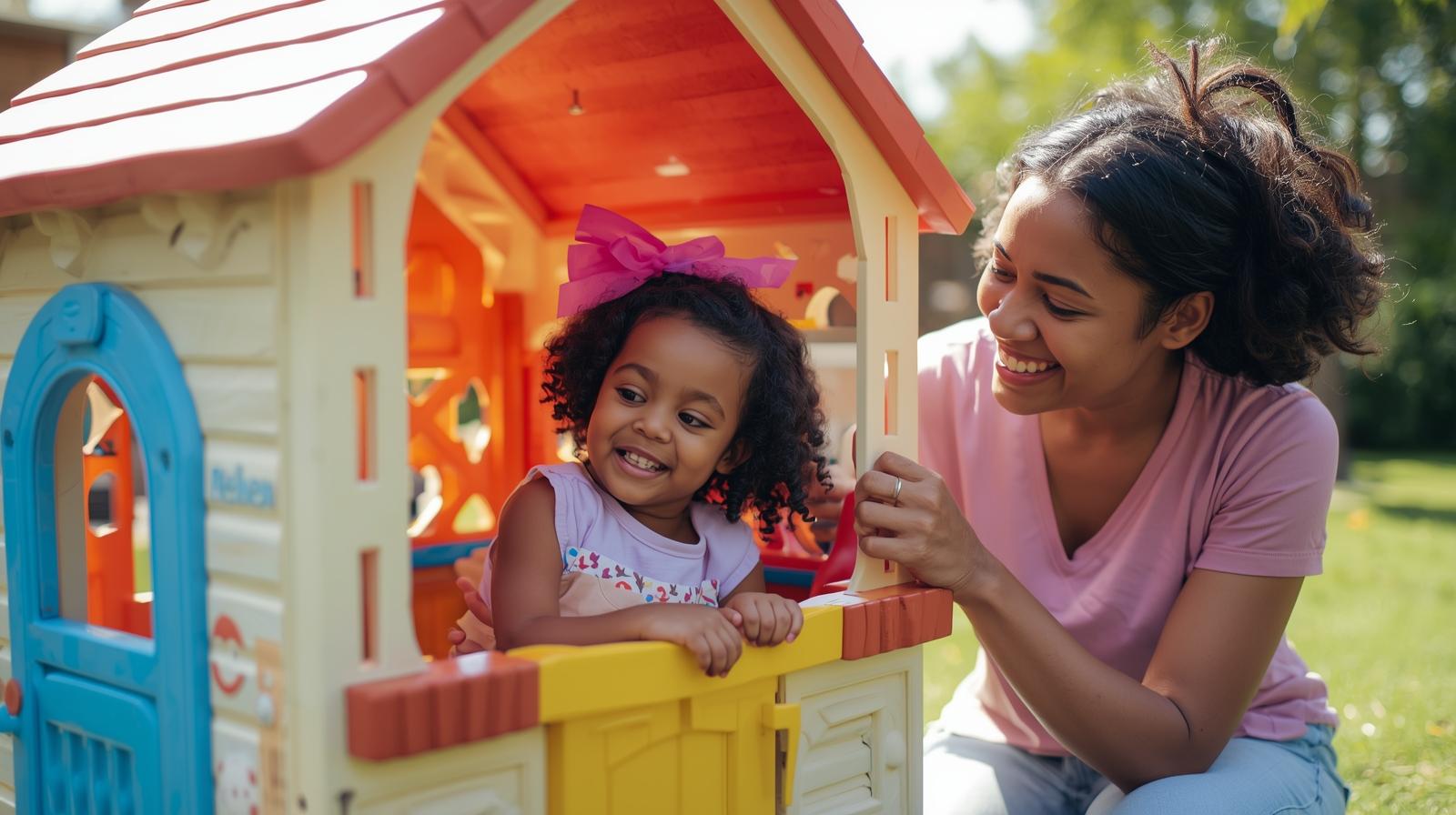
We all remember that magical feeling of having a space that was just ours as kids. Whether it was a fort made of sheets or a plastic castle in the backyard, those little hideaways were everything. Finding the best childrens playhouse for your own kids can bring that same joy back into your home.
It gives them a spot to cook imaginary meals, host tea parties, or hide from “monsters.” Plus, it buys you a few minutes of peace to drink your coffee while it’s actually hot. Let’s find the best childrens playhouse for your little ones.
Ready to find the perfect playhouse? Leave a comment below with your favorite childhood memory!
Best Childrens Playhouse Picks That Kids Actually Use
You don’t want to buy something that sits empty after two days. We have looked for houses that spark real creativity and keep kids coming back. These picks are tested by real families who need toys to pull their weight.
First up is the Step2 Neat & Tidy Cottage. This is a classic for a reason because it is incredibly durable and easy to clean. It has a working doorbell, which toddlers absolutely obsess over for hours.
If you want something wooden, the KidKraft Modern Outdoor Playhouse is a stunner. It looks better than most real houses and includes a picnic table attached to the side. It blends beautifully into a backyard without looking like a plastic explosion.
For indoor fun, we love the Melissa & Doug corrugated cardboard playhouse. It is affordable, recyclable, and lets kids draw all over the walls. It is the perfect rainy day activity that doubles as a cozy reading nook.
Another great option is a fabric teepee or tent style house. These are amazing because you can fold them up and shove them in a closet when company comes. They are cozy, cute, and usually much cheaper than rigid structures.
Why Every Kid Wants a Playhouse Right Now
You might notice that playhouses are having a major moment on social media. It isn’t just because they look cute in photos, though that helps. Kids are craving their own sense of control and territory in a big world.
A playhouse gives them a “home” where they make the rules. They decide who comes in, when the door shuts, and what happens inside. It builds confidence and independence in a safe, contained way.
It also encourages social play without parents hovering right over them. Siblings learn to negotiate who is the “mom” and who is the “baby” in the game. It is social skills training disguised as a plastic cottage.
Finally, it gets them off screens and using their hands and bodies. Opening shutters, turning knobs, and crawling through doors builds motor skills. It is old-fashioned fun that never really goes out of style.
Must Read: Top Rated Dollhouse Moms Actually Love For Everyday Play
What Makes a Good Playhouse for Real Families
A good playhouse needs to survive the chaos of real life. It shouldn’t fall apart if a toddler slams the door too hard. Durability is the number one thing we look for.
It also needs to be easy to clean because messes happen constantly. Plastic houses can be hosed down, which is a huge win for muddy days. Wooden houses need to be treated so they don’t rot or splinter.
Ventilation is another huge factor that parents often forget about. You don’t want that little house becoming a sauna in the summer heat. Look for plenty of windows and open designs to keep air moving.
Lastly, it should fit your actual available space. Don’t buy a mansion if you have a postage-stamp backyard. A cramped playhouse makes the rest of your yard feel unusable.
Indoor vs Outdoor Playhouses
Deciding where to put the house is your first big choice. An outdoor house is great for getting fresh air and burning off energy. It keeps the noise (and the mess) outside your living room.
However, outdoor houses endure sun, rain, and bugs. You will need to clean spiders out of corners occasionally. They also tend to be more expensive because the materials must be weather-resistant.
Indoor playhouses are fantastic for year-round play regardless of the weather. You don’t have to worry about sun fading or heavy storms. They are usually smaller and made of lighter materials like fabric or cardboard.
The downside is that they take up precious floor space in your home. You might find yourself tripping over it in the hallway. Think about your climate and your square footage before deciding.
Best Childrens Playhouse for Small Homes
Living in an apartment or small house doesn’t mean you have to skip the fun. Pop-up tents are the ultimate space-saving solution for tight quarters. You can set them up in seconds and collapse them flat behind a sofa.
There are also doorway puppet theaters that hang right in the door frame. They create a “stage” or house feel without taking up any floor footprint. This is genius for families who need every inch of space.
Consider a loft bed with a play area underneath. This utilizes vertical space that would otherwise go wasted. You get a bed and a playhouse in the same footprint.
Cardboard houses are also great because they are temporary. You can have it out for a week and then recycle it. It keeps the novelty high without the permanent clutter commitment.
Best Childrens Playhouse for Backyards
If you have the yard space, you can go bigger and bolder. The Little Tikes Cape Cottage is a fantastic entry-level choice for backyards. It is lightweight enough to move when you mow the lawn.
For a serious upgrade, check out the Backyard Discovery Cedar Wood Playhouse. It looks like a legitimate tiny home with flower pot holders and a snack window. It will last for years and can handle rougher play.
Some outdoor houses come with slides or swings attached. This turns the playhouse into a full jungle gym station. It maximizes the fun if you don’t have space for separate playsets.
Make sure you measure your yard before clicking “buy” on these big items. You need clearance around the house for safety. Kids need room to run laps around their new territory.
Must Read: Choosing the Perfect Childrens Play Kitchen
Plastic vs Wooden Playhouses
This is the great debate in the world of outdoor toys. Plastic houses are generally cheaper, lighter, and easier to clean. They don’t require painting, staining, or sanding over the years.
However, some parents hate the look of bright neon plastic in the garden. Plastic can also fade in the sun and become brittle over many years. It is less environmental friendly than natural materials.
Wooden houses are beautiful and blend in with nature. They feel sturdier and more like a “real” house to kids. You can also paint them to match your own house, which is adorable.
But wood requires maintenance to keep it safe and looking good. You will need to reseal it and watch for splinters or rot. It is a labor of love compared to the “set it and forget it” plastic.
Age-by-Age Guide for Choosing a Playhouse
Toddlers (1-3 years) need simple, open structures with no pinching hazards. Look for Dutch doors that allow you to see inside easily. Low thresholds prevent tripping when they waddle in and out.
Preschoolers (3-5 years) love role-play features like kitchens and phones. They want a house that helps them act out stories. Accessories like mail slots and flower boxes are huge hits at this age.
School-age kids (5-8 years) need more space and height. They want a “clubhouse” vibe where they can hang out with friends. Look for taller doors and more interior square footage.
Older kids might prefer a treehouse or a fort style structure. They want privacy and a place to read or draw. At this stage, it becomes less about “playing house” and more about having a hideout.
Safety Features Parents Should Check First
Safety is always our top priority when picking Mom Kid Friendly gear. Check all edges to make sure they are rounded and smooth. Sharp corners on wooden houses can cause nasty bumps.
Ensure there is proper ventilation to prevent overheating. Windows should not have glass that can break. Open spaces allow air to flow and let you peek inside.
Check the door to make sure it can’t trap fingers. There should be a gap or a lightweight mechanism. You don’t want a heavy wooden door slamming on little hands.
If the house is elevated, ensure the ladder and railings are secure. Falls are the most common injury with play equipment. Keep playhouses on soft surfaces like grass or mulch, not concrete.
Easy Ways to Make a Playhouse More Fun
You don’t have to stop at just buying the house. Adding a few cheap accessories can double the playtime value. A simple solar lantern makes evening play feel magical and spooky.
Add a doormat and a few potted plastic plants. It makes the space feel owned and cared for. Kids love watering their “garden” with a watering can.
Put a small chalkboard inside for changing daily menus or secret passwords. It encourages writing and drawing in a fun way. You can paint a wall with chalkboard paint if it’s wooden.
Add comfortable seating like bean bags or outdoor cushions. If it is cozy, they will stay in there longer. It becomes a reading nook instead of just a plastic shell.
How to Store and Maintain a Playhouse
If you have a plastic house, wash it with warm soapy water once a season. It keeps the grime and mildew away. A pressure washer on a low setting works wonders for deep cleaning.
For wooden houses, check the sealant annually. If water stops beading up on the wood, it’s time to reseal. Tighten any loose screws or bolts that might have wiggled free.
If you live in a snowy area, consider covering the house with a tarp in winter. Snow and ice can crack plastic and warp wood. It extends the life of your investment significantly.
Store soft accessories like cushions inside your garage or shed. They will get moldy if left out in the rain. Keep the inside of the playhouse clear of debris to keep bugs away.
Common Mistakes Parents Make When Buying
The biggest mistake is ignoring the assembly instructions or difficulty. Some wooden houses take two people and six hours to build. Know what you are signing up for before the box arrives.
Another mistake is buying a house that is too small. Kids grow incredibly fast. Buying a tiny toddler house means you will be replacing it in two years.
Forgetting about the ground surface is another common error. You need a level spot for the house to sit safely. Putting it on a slope can cause the structure to warp or tip.
Lastly, don’t forget to involve the kids in the choice if they are old enough. They might hate the cottage look and want a castle. Let them have a say in their new home.
Best Childrens Playhouse That Grows With Your Child
The best childrens playhouse is one that lasts more than a single summer. Look for taller interiors that accommodate growing kids. A height of at least 50 inches inside is a good benchmark.
Some brands offer modular add-ons like swings or kitchens. You can upgrade the house as the child gets older. It keeps the toy feeling fresh and new.
Converting a playhouse into a storage shed later is a smart hack. Once the kids outgrow it, you can store garden tools inside. It gives the structure a second life in your yard.
Ultimately, the best house is the one where memories are made. Whether it is a castle or a cottage, the imaginative play is what matters. It is an investment in their childhood magic.
Must Read: Childrens Small Table And Chairs for Play at Home
Frequently Asked Questions
What age is best for a childrens playhouse?
Most childrens playhouses work best for ages 2 to 8, depending on size and features. Always check the manufacturer’s age range before buying.
Is a plastic or wooden playhouse better?
Plastic playhouses are easier to clean and maintain, while wooden playhouses look better and last longer with proper care. The best childrens playhouse depends on your space and time for upkeep.
Can a playhouse be used indoors?
Yes, many fabric, cardboard, and small plastic models are designed for indoor use. These are great options if you don’t have a backyard.
How much space do I need for a playhouse?
You need enough room for the playhouse plus extra space around it for safe play. Always measure your space before choosing the best childrens playhouse.
Are playhouses safe for toddlers?
They are safe when designed for toddlers and placed on a flat, soft surface. Look for rounded edges, good ventilation, and lightweight doors.
Author

