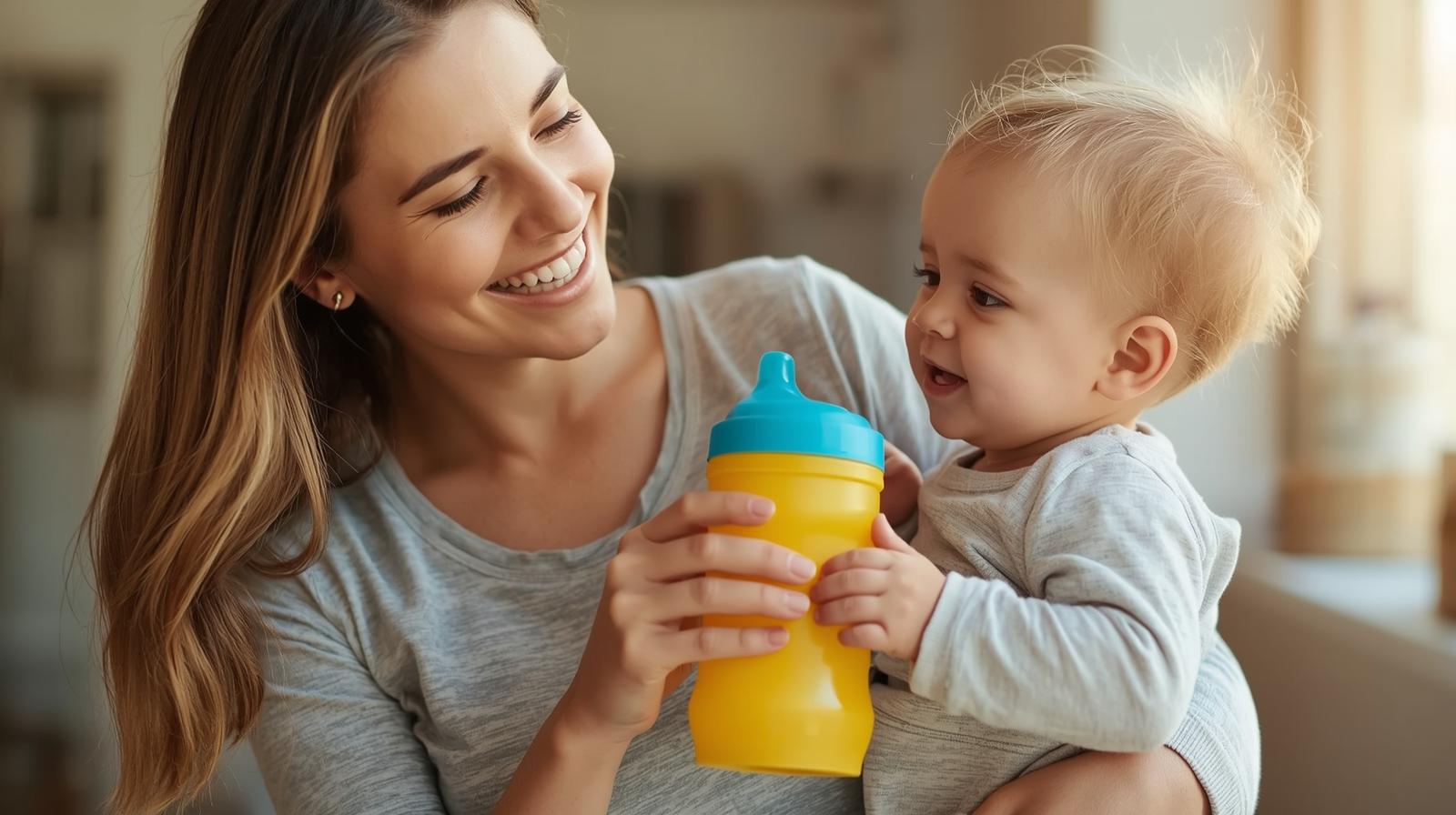
We all remember that first time we handed our little one a sippy cup. It usually ends with milk on the floor, a confused baby, and a mom wondering why this milestone feels so complicated. Choosing the best sippy cups to transition from bottle can make this step feel less stressful and more manageable.
The shelves are packed with options, and frankly, half of them leak or are impossible to clean. You don’t have time to test twenty different cups while cleaning up twenty different puddles. We’ve done the research to help you find the best sippy cups to transition from bottle without the headache.
Ready to ditch the bottle for good? Share your biggest transition struggle in the comments below, and let’s tackle this milestone together!
Why the bottle to cup switch feels harder than it should
Change is hard for everyone, especially for a toddler who finds comfort in their bottle. For many little ones, the bottle isn’t just a food source; it’s a soothing mechanism that signals sleep or comfort. Taking that away can feel like you’re disrupting their entire world.
There is also the physical challenge of learning a new way to drink. Sucking from a bottle requires a specific tongue movement that is totally different from sipping from a spout or straw. Your child has to learn new muscle coordination while dealing with the emotional side of growing up.
Then there is the parent’s side of things, which involves fear of dehydration or tantrums. We worry they won’t drink enough milk or water if we take the easy method away. It is completely normal to feel hesitant about starting this process.
Must Read: Honest Eufy Breast Pump Reviews: Is It Worth The Hype?
When is the right time to move on from bottles
Pediatricians usually recommend starting the transition between 6 and 12 months. The goal is often to be completely off the bottle by 12 to 18 months old. Prolonged bottle use can sometimes lead to tooth decay or orthodontic issues later on.
However, every child is different, and strict deadlines often just add stress. Some babies are ready to grab a cup at six months, while others cling to the bottle a bit longer. Watch your child’s development rather than just the calendar.
It is often easiest to introduce a cup with water when you start solid foods. This creates a low-pressure environment where they can explore the cup without it replacing a main milk feed. Start small and follow your child’s lead.
Signs your child is ready to transition from bottle to sippy cup
You might notice your baby eyeing your glass of water with intense curiosity. If they reach for your cup or try to mimic your drinking motions, that is a huge green light. This imitation is a natural way they learn new skills.
Another sign is if they can sit up unassisted and have good head control. Physical stability is important because drinking from a cup requires them to tilt their head and hold an object steady. If they are holding their own bottle during feedings, they likely have the motor skills needed.
Sometimes, they might just seem bored or distracted during bottle feeds. They might chew on the nipple instead of drinking or push the bottle away. These are clues that they are ready for a new challenge like the best sippy cups to transition from bottle.
What makes the best sippy cups to transition from bottle
The ideal transition cup needs to be durable enough to survive being thrown from a high chair. It should be made of safe materials like BPA-free plastic, silicone, or stainless steel. Safety is always priority number one for Mom Kid Friendly products.
Handles are a major plus for little hands that are still learning to grip. Removable handles are even better because the cup can grow with your child. You want something lightweight so they can lift it easily when it is full.
Lastly, the flow rate matters a lot for beginners. A valve that requires a strong suck might be frustrating, but free-flow can be too messy. Finding that middle ground is the key to success.
Spout vs straw vs open cup and what works first
Spout cups are the traditional choice because the motion is somewhat similar to a bottle. They require the child to tip their head back, which is a new skill to learn. Many parents start here because it feels like a logical half-step.
Straw cups are excellent for oral motor development and speech skills. Drinking from a straw strengthens the lip and tongue muscles in a way that spouts don’t. Plus, you don’t have to tip the cup back, which keeps their head in a neutral position.
Open cups are technically the gold standard for development but are definitely the messiest. Using a small silicone open cup helps them learn to sip rather than suck. Many moms mix methods, using straws for water and spouts for milk.
Soft spout sippy cups for gentle transitions
If your baby loves the texture of a bottle nipple, a soft silicone spout is usually the winner. The familiar feeling in their mouth can make the switch less scary. These spouts are gentle on teething gums, which is a big bonus.
Look for cups like the NUK Learner Cup, which is famous for this exact stage. The handles are non-slip, and the spout feels very similar to a bottle teat. It bridges the gap perfectly for hesitant babies.
Another great option is the Mam Trainer Cup, which comes with a very soft spout. It is designed specifically for that tricky in-between stage. It gives them the comfort they crave while introducing the cup concept.
Must Read: Best Sippy Cup for Baby: A Stress-Free Guide for Moms
Straw sippy cups for oral development support
Straw cups are often recommended by speech pathologists and dentists. They encourage the tongue to retract rather than push forward, which is better for swallowing patterns. Once they get the hang of suction, it is a very efficient way to drink.
The weighted straw cup is a genius invention for active toddlers. The weight at the bottom of the straw moves with the liquid, so they can drink at any angle. You won’t have to constantly correct how they are holding the cup.
Cups like the b.box Sippy Cup are legendary in the mom community for this feature. They are easy to hold and let kids drink every last drop. Just be prepared to buy a special brush to clean the straw thoroughly.
Leak proof features busy moms care about
Let’s be honest: a cup that leaks in your diaper bag goes straight in the trash. You need a seal that can withstand shaking, dropping, and being upside down. “Spill-proof” is the magic phrase we all look for on the packaging.
Valves are usually the secret to a leak-free experience. A one-piece valve is easier to keep track of than a multi-part system. Just make sure the valve is easy to remove for cleaning so mold doesn’t hide.
The Munchkin Miracle 360 Cup is a favorite because it seals automatically when the child stops drinking. It mimics an open cup but won’t spill if it falls off the table. It is practically magic for keeping your floors dry.
Easy to clean sippy cups that save your sanity
Complex cups with ten tiny parts are a nightmare to wash every night. You want something that can be disassembled quickly and popped in the dishwasher. Hidden crevices are mold magnets, so simplicity is your best friend.
Look for cups with wide openings that allow you to get a sponge all the way to the bottom. Avoid cups with straws that are permanently attached or valves that are impossible to pop out. If you need a magnifying glass to clean it, skip it.
One-piece lids are becoming more popular and are incredibly convenient. Brands like Re-Play offer simple designs that are virtually indestructible and easy to scrub. Less time at the sink means more time with your feet up.
Best sippy cups to transition from bottle for 12 to 18 months
At this age, your toddler is becoming more active and independent. They need a cup that can keep up with their busy play schedule. Durability and capacity become more important as they drink more throughout the day.
Insulated cups are fantastic for this age group to keep milk or water cool. The First Years Insulated Sippy Cups are affordable and durable enough to withstand toddler tantrums. They are a staple in many households for a reason.
If you are focusing on straw training, the Contigo Kids Spill-Proof Tumbler is excellent. It feels a bit more “grown-up” but still prevents major messes. It is perfect for smoothies or water on the go.
Best sippy cups to transition from bottle for stubborn bottle lovers
Some kids just really, really love their bottles, and that is okay. For these little ones, you need a cup that mimics the bottle experience as closely as possible. You have to trick them a little bit with familiar textures.
The Dr. Brown’s Milestones Sippy Bottle replaces the nipple on their regular bottle with a spout. The bottle itself feels exactly the same in their hands, which provides comfort. It is a sneaky but effective way to make the switch.
Another strategy is to offer their favorite drink only in the sippy cup. Put water in the bottle and milk in the cup. They will eventually choose the high-value drink, even if it comes in a new container.
Common mistakes moms make during the transition
We often try to switch cold turkey, which can lead to major meltdowns. A gradual approach usually works better for everyone’s stress levels. Rushing the process rarely ends well for parent or child.
Another mistake is letting them carry the sippy cup around all day like a security blanket. This can lead to grazing, which isn’t great for their appetite or teeth. Try to keep cup time to meals and designated snack times.
We also sometimes put juice or sweet drinks in the cup to entice them. This can create a habit that is hard to break later. Stick to water or milk to establish healthy preferences from the start.
Tips to help your child accept a sippy cup faster
Modeling is one of the most powerful tools you have. Let them see you drinking from a cup and enjoying it. Make a big “Mmmm” sound to show them how great it is.
Let them choose their own cup at the store if they are old enough. A cup with their favorite character or color can make it exciting. Ownership makes them more likely to want to use it.
Celebrate every single sip they take from the new cup. Clap, cheer, and make a huge deal out of their success. Positive reinforcement goes a long way in building a new habit.
Must Read: Top 7 Best Pacifiers for Newborns: A Mom’s Guide
Choosing the best sippy cups to transition from bottle
The “best” cup is ultimately the one your child will actually use. You might have to try two or three different styles before finding the winner. Don’t get discouraged if the first one is a total flop.
Consider your lifestyle when choosing a cup, too. If you are always in the car, leak-proof is non-negotiable. If you are mostly home, you can be more flexible with open cups.
Trust your gut and remember that this phase is temporary. They won’t be drinking from a bottle when they go to college. You are doing a great job guiding them through this change.
Conclusion
Transitioning from bottle to cup is a messy, loud, and important milestone. It requires patience, a lot of paper towels, and the right tools for the job. Remember that every spill is just part of the learning process.
By choosing the best sippy cups to transition from bottle, you are setting your little one up for success. Whether you go with a straw, spout, or rim, consistent practice is key. You’ve got this, mama!
Which cup are you going to try first? Let us know in the comments or share this post with a fellow mom who is deep in the bottle battle!
Frequently asked questions
What are the best sippy cups to transition from bottle?
The best sippy cups to transition from bottle are cups that feel familiar but gently teach new drinking skills. Soft spout cups work well for beginners, while straw cups support better oral development as your child gains confidence.
When should I start using a sippy cup instead of a bottle?
Most paediatricians suggest starting between 6 and 12 months and aiming to fully wean off bottles by 12 to 18 months. Readiness matters more than age, so watch your child’s cues rather than the calendar.
Are straw cups better than spout cups for toddlers?
Straw cups are often recommended by dentists and speech therapists because they encourage healthier tongue movement. Spout cups can still be useful as a short transition step for babies who resist change.
How many sippy cups should I try before giving up?
It’s normal to try two or three styles before finding the best sippy cups to transition from bottle for your child. Every toddler has preferences, and a little trial and error is part of the process.
Can using sippy cups cause tooth problems?
Sippy cups themselves aren’t the issue, but constant sipping can be. Limiting cup use to meals and snacks helps protect teeth and builds healthier habits.
What should I put in a sippy cup during the transition?
Water is best when first introducing a cup because it keeps pressure low. Milk can follow once your child feels comfortable drinking from the cup.
Author

