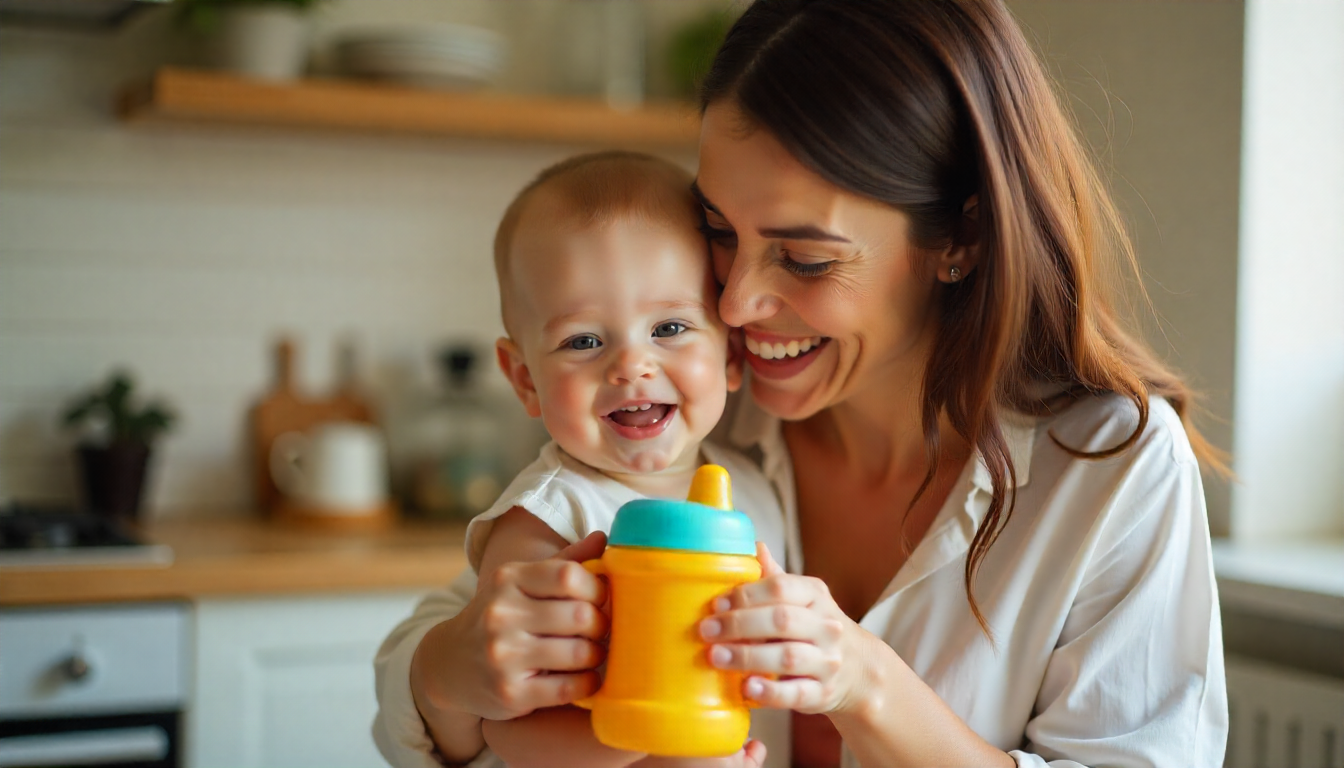
We have all wiped up that mystery puddle on the living room floor. You turn your back for one second, and suddenly juice is everywhere. It is a rite of passage for every mom, but it doesn’t have to be your daily reality.
Transitioning from a bottle or breast to a cup is a huge milestone for your little one. It signals growing independence and the start of new skills. But walking down the baby aisle can feel overwhelming with hundreds of options staring back at you.
You just want something that doesn’t leak and is safe for your child’s developing teeth. Finding the best sippy cup for baby is about matching their needs with your sanity. And with so many choices, knowing which one truly qualifies as the best sippy cup for baby can make this messy transition so much easier. Here at Mom Kid Friendly, we are here to help you navigate it with confidence.
Join our supportive Mom Kid Friendly community today for more practical tips and stress-free parenting hacks!
Why Finding the Best Sippy Cup for Baby Actually Matters
It might seem like just another piece of plastic, but the right cup plays a big role. Using a cup helps your baby develop crucial oral motor skills. They learn to control liquid flow and use their tongue and lips in new ways.
Prolonged bottle use can sometimes affect how adult teeth come in later. Switching to a cup at the right time supports healthy dental development. It also helps prevent tooth decay often caused by babies falling asleep with bottles.
Beyond health, the right cup fosters independence. Your baby gains confidence when they can hold their drink and serve themselves. Plus, a good spill-proof design saves your carpets and your patience.
Must Read: The Best Tank Tops for Nursing That Make Feeding Simple
When Should Babies Start Using a Sippy Cup?
Most pediatricians recommend introducing a cup around six months of age. This is usually when babies start solid foods and can sit up unsupported. You don’t have to stop breastfeeding or bottle-feeding immediately.
Think of it as practice time during meals. Your baby might just chew on the spout at first, and that is totally okay. It is all about getting them used to the object and the concept.
Watch for signs that your baby is ready to try. They might reach for your glass of water during dinner. They should have good head control and be able to swallow effectively.
Types of Sippy Cups Explained
Hard Spout Cups
These cups feature a rigid plastic spout that withstands chewing. They are incredibly durable for teething babies who like to gnaw. However, some dentists worry they might affect palate development if used excessively.
Soft Spout Cups
Soft spouts are usually made of silicone and feel similar to a bottle nipple. This familiarity can make the transition easier for hesitant babies. They are gentle on tender gums but can be damaged by sharp new teeth.
Straw Cups
Straw cups are excellent for building muscles in the mouth and cheeks. Using a straw promotes a tongue position that is beneficial for speech development. Many experts recommend these as the best option for oral health.
Spoutless or 360 Cups
These innovative cups allow a child to drink from any edge, just like a regular open cup. A silicone valve seals the liquid inside until suction is applied by the mouth. They are fantastic for teaching “real cup” mechanics without the mess.
Open Cups
While messy, open cups are the ultimate goal for drinking skills. Some moms start with tiny open cups for water practice during high chair time. It requires close supervision but builds coordination faster than any other type.
What to Look For in a Sippy Cup
Leak-Proof Technology
The number one feature moms ask for is a guarantee against leaks. Look for cups with reliable valves that lock liquid in when not in use. Test the cup by turning it upside down before handing it to your toddler.
Ease of Cleaning
Mold loves to hide in the tiny crevices of complicated cup valves. Choose cups with minimal parts that come apart completely. Dishwasher-safe options will save you precious time every evening.
Handles or Grip
Tiny hands need a little extra help gripping a wide cup. Handles that are removable are great as your baby grows and gains coordination. An hourglass shape or textured grip can also prevent drops.
Material Safety
Always check that the plastic is BPA-free and free from other harmful chemicals. Stainless steel and glass (with silicone sleeves) are great eco-friendly alternatives. Durability is key because these cups will be thrown from the high chair repeatedly.
Must Read: Navigating the 17 Month Sleep Regression
Mom-Tested Picks: Best Sippy Cup for Baby
The Best for Transitioning From Bottles
If your baby is attached to the bottle, look for a cup with a wide, soft silicone spout and handles. The familiar texture comforts them while the handles give them control. These cups often bridge the gap seamlessly for reluctant transitions.
The Best for Oral Development
Weighted straw cups are a favorite among the Mom Kid Friendly community. The weighted end moves with the liquid, allowing baby to drink at any angle. This design reduces frustration and encourages straw usage, which speech therapists love.
The Best for preventing Spills
The 360-degree rim cups are absolute game-changers for saving your furniture. They mimic an open cup but seal automatically when the child stops drinking. They are perfect for tossing in a diaper bag without worrying about puddles.
The Best for Durability
Stainless steel sippy cups are tough enough to handle tantrum-induced throws. They also keep milk or water cold for hours, which is great for summer outings. While heavier, they are virtually indestructible and resist odors.
The Best Value Options
Simple hard-spout cups often come in multi-packs at a very friendly price point. These are great for keeping as backups at grandma’s house or in the car. They might not have fancy features, but they get the job done reliably.
How to Help Your Baby Use a Sippy Cup
Start Slow and Low Pressure
Introduce the cup with water during mealtime and keep the mood light. Don’t force it if they push it away or just bang it on the tray. It takes time for them to understand that liquid comes out of this new object.
Show Them How It Works
Babies are excellent mimics and learn by watching you. Take a sip from their clean cup to show them the drinking motion. Exaggerate the “mmmmm” sound to show them it is rewarding.
Tip the Cup Up
With spout cups, babies often forget they need to tilt their head back. Gently help them tip the cup so they get a taste of the water. Once they realize there is a reward inside, they will be more motivated to try.
Remove the Valve Initially
Some spill-proof valves require a really strong suck that can confuse beginners. Try removing the valve for the first few tries so the water flows freely. Just be prepared for a bit of a mess and have a bib ready.
Try Different Liquids
If water isn’t enticing enough, try putting some breastmilk or formula in the cup. The familiar taste can comfort them and encourage them to drink. Once they master the skill, you can switch back to water.
Cleaning & Safety Tips for Sippy Cups
Disassemble Completely Every Time
It is tempting to just rinse the cup, but milk residue builds up fast. Take apart every single piece, including the straw, lid, and rubber ring. This is the only way to ensure mold doesn’t grow in hidden spots.
Invest in Tiny Brushes
Standard bottle brushes often cannot reach inside narrow straws or spouts. Buy a set of straw cleaners to scrub out the tight spaces effectively. This simple tool extends the life of your cups significantly.
Check for Wear and Tear
Babies who are teething will chew on spouts and straws aggressively. Inspect the silicone parts regularly for cracks or loose pieces that could be choking hazards. Replace any damaged parts immediately to keep your baby safe.
Avoid Sugary Drinks
Sippy cups allow liquid to pool around the teeth, which can cause cavities. Stick to water, breastmilk, or formula in these cups to protect dental health. Avoid putting juice or soda in sippy cups for long periods.
Let Them Air Dry
Moisture trapped in a reassembled cup is a breeding ground for bacteria. Let all the pieces air dry completely on a rack before putting them back together. This simple habit keeps your cups fresh and safe.
How to Choose the Best Sippy Cup for Baby
Consider Your Baby’s Age and Stage
A six-month-old needs a very different cup than an active eighteen-month-old. Younger babies need handles and soft spouts for sensitive gums. Older toddlers need larger capacity and durable materials for active play.
Think About Your Lifestyle
If you are always on the go, insulation and leak-proof ratings are your top priority. If you are mostly home, you might prefer an open training cup or a simple straw cup. Match the cup features to your daily routine for the best results.
Don’t Be Afraid to Experiment
Sometimes you buy the “perfect” cup and your baby just hates it. It is normal to go through two or three styles before finding the winner. Share the rejects with a friend or sanitize and donate them.
Prioritize Ease of Use
If a cup takes you five minutes to assemble, you won’t want to use it. Parenting is busy enough without solving a puzzle every time your baby wants water. Look for intuitive designs that make your life easier.
Trust Your Gut
You know your child better than any review or expert. If a certain cup works for your family, then it is the right choice. Ignore the pressure to buy the trendiest item and stick with what works.
Making the Transition Smoother
Celebrate the Wins
Clap and cheer when your baby successfully takes a sip. Positive reinforcement makes learning new skills fun for everyone involved. Your excitement will make them want to do it again.
Be Patient with Regressions
Teething or illness might make your baby want the comfort of a bottle again. It is okay to take a step back and try again later. Progress isn’t always a straight line, and that is perfectly normal.
Use the Cup at Every Meal
Consistency helps create a new habit for your little one. Place the cup on the tray every time they eat solids. Eventually, reaching for it will become second nature to them.
Ditch the Bottle Gradually
You don’t have to go cold turkey if it feels too stressful. Start by swapping one bottle feeding a day for a cup. Slowly increase the cup use as they get more comfortable.
Don’t Stress the Mess
Spills are going to happen, and water dries eventually. Try to stay calm when the cup gets thrown or tipped over. A relaxed mom helps create a relaxed and happy learner.
Must Read: Top 7 Best Pacifiers for Newborns: A Mom’s Guide
Final Thoughts on Finding the Right Cup
Finding the best sippy cup for baby is a journey, not a sprint. There will be spills, refusals, and maybe a little frustration along the way. But soon enough, your little one will be drinking like a pro.
Remember that every baby is different and moves at their own pace. What worked for your best friend might not work for you, and that is fine. Keep trying different options until you find the perfect fit.
You are doing a great job guiding them through these little milestones. Trust yourself and keep things simple. You have got this, mama!
Have a favorite cup that saved your carpet? Share your top picks in the comments below to help other moms in our community!
Frequently Asked Questions
1. What is the best sippy cup for baby to start with?
The best sippy cup for baby to start with is usually a soft-spout or straw cup that is gentle on gums and easy to hold. Beginners often succeed with handles and a slow flow.
2. When should I introduce the best sippy cup for baby?
Most experts recommend introducing the best sippy cup for baby around six months, when babies begin solids and can sit with support.
3. What features make the best sippy cup for baby?
Leak-proof valves, BPA-free materials, easy-to-clean parts, and age-appropriate spouts or straws are essential features of the best sippy cup for baby.
4. Are straw cups better than spout cups for babies?
Straw cups are often considered better for oral development and speech muscle strengthening, making them strong contenders for the best sippy cup for baby.
5. How many sippy cups should I have?
Most parents keep at least two to three on rotation. Babies drop cups frequently, and having backups ensures you always have the best sippy cup for baby clean and ready.
6. Can the best sippy cup for baby help prevent spills?
Yes—360° cups and well-designed leak-proof lids are specifically created to minimize spills and protect furniture, floors, and diaper bags.
7. Is it normal for babies to reject a sippy cup at first?
Absolutely. Many babies need time to explore, chew, or play with the cup before learning to drink. Trying different styles will help you find the best sippy cup for baby for your child.
8. Is stainless steel a good material for the best sippy cup for baby?
Yes. Stainless steel is durable, odor-resistant, and keeps drinks cool, making it a popular choice for moms looking for the best sippy cup for baby.
Author

