
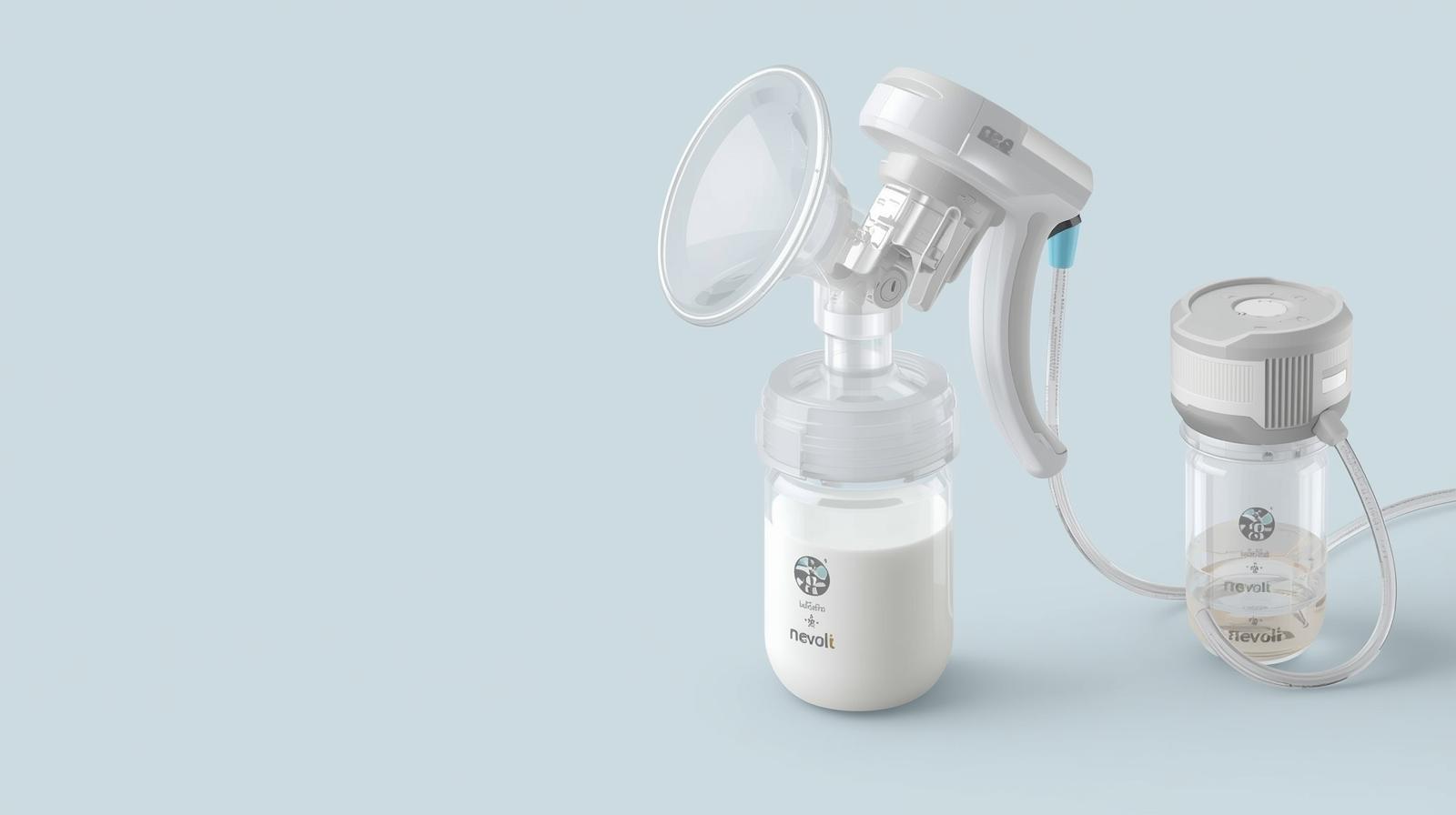
You sit down to pump, wait 20 minutes, and barely fill a quarter of the bottle. It’s exhausting, frustrating, and honestly makes you question everything. If that sounds familiar, you might just need the strongest suction breast pump.
Finding the strongest suction breast pump for your body can completely change your pumping experience. This guide breaks down everything you need to know—from what suction levels actually mean to the features that matter most. By the end, you’ll feel confident choosing a pump that works with your body, not against it.
Ready to make pumping easier? Explore our top mom-tested guides at Mom Kid Friendly and find the tips that fit your life.
Why Moms Start Searching for the Strongest Suction Breast Pump
Pumping feels simple until it doesn’t. Many moms struggle with low output, long pumping sessions, and that nagging fear that their baby isn’t getting enough. The pressure is real—especially for working moms who need to pump fast and efficiently between meetings.
Suction strength plays a major role in how much milk you’re able to express in a single session. A pump that can’t keep up with your body’s needs leaves you frustrated and your supply at risk. That’s why so many moms eventually search for something stronger.
What “Strong Suction” Actually Means in a Breast Pump
Breast pump suction is measured in millimeters of mercury, or mmHg. Most personal-use electric pumps range between 150 and 280 mmHg, while hospital-grade pumps can reach up to 300 mmHg or higher. Higher mmHg doesn’t always mean better—it means more power available for you to adjust.
Hospital-grade pumps are built for frequent, heavy-duty use and are often recommended for moms with low supply or premature babies. Personal-use double electric pumps offer strong suction too, but they’re designed for everyday home use. The key is finding the right balance between power and comfort for your body.
Must Read: Best Bottles To Use When Breastfeeding That Work for Moms
Signs You Might Need a Stronger Breast Pump
Your pump might be the problem if sessions drag past 30 minutes without fully emptying your breast. Low output that doesn’t match your baby’s feeding needs is another clear sign. Some moms even notice that hand expression feels more effective than their current pump—that’s a red flag.
Here are signs to watch for:
- Sessions feel too long with little milk to show
- One breast fills faster than the pump can keep up
- Your pump feels weak even on the highest setting
- You feel engorged after pumping is done
If any of these sound familiar, it’s time to look at your options.
Features That Matter More Than Just Suction Power
Suction strength gets all the attention, but the right features make a pump truly effective. Adjustable suction levels are a must—every mom’s body responds differently, and you need control. A massage or stimulation mode can trigger a letdown faster, which saves time and increases output.
Flange fit matters more than most moms realize. A poorly fitting flange can make pumping uncomfortable and reduce milk flow. Other features worth considering include:
- Quiet motor for discreet night pumping
- Rechargeable battery for working moms on the go
- Easy-to-clean parts that don’t require 15 pieces to assemble
- Adjustable speed settings separate from suction control
A pump with all of these features will serve you far better than raw suction power alone.
Types of Breast Pumps That Usually Offer Strong Suction
Not all pumps are built equal when it comes to power. Here’s a quick breakdown of your options:
Hospital-Grade Electric Pumps
These are the gold standard for suction strength and milk output. They’re often rented from hospitals or lactation centers. They work best for moms with supply issues or those exclusively pumping.
Double Electric Pumps
These pump both breasts at once and offer strong, consistent suction. They’re the most popular choice for working and breastfeeding moms. Many are covered by insurance, which is a huge bonus.
Wearable Breast Pumps
Hands-free and discreet, these fit inside your bra and let you pump anywhere. Suction levels vary widely by brand, so read reviews carefully. They’re best used alongside a stronger pump, not as a solo solution.
Manual Pumps
Manual pumps give you full control over suction, which some moms prefer. They’re quiet, affordable, and great for occasional use. However, they require more physical effort, which isn’t ideal for frequent pumping.
Best Situations Where a Strong Breast Pump Helps Most
Some moms need more pumping power than others. Exclusive pumpers—moms who don’t breastfeed directly—depend entirely on their pump to maintain supply. A strong, reliable pump isn’t a luxury for them; it’s essential.
Moms returning to work also benefit most from high-suction pumps. Time is limited, and you need a pump that empties your breast quickly and completely. Other situations where stronger suction makes a real difference:
- Building or increasing milk supply
- Pumping for a NICU baby who can’t yet latch
- Establishing supply in the first few weeks postpartum
- Relieving engorgement during oversupply phases
Must Read: Honest Eufy Breast Pump Reviews: Is It Worth The Hype?
Tips to Pump More Milk Even Without Increasing Suction
Sometimes the pump isn’t the problem—it’s the pumping setup. Relaxation plays a huge role in your letdown reflex. Stress, tension, or a noisy environment can block milk flow even with the strongest breast pump available.
Try these practical tips to boost output:
- Get properly sized flanges—wrong size is the most common mistake
- Apply warm compresses before pumping to stimulate flow
- Massage your breasts in circular motions before and during sessions
- Look at a photo or video of your baby to trigger a letdown
- Stick to a consistent pumping schedule to train your supply
Small changes like these can make a bigger difference than upgrading your pump.
Common Mistakes Moms Make When Choosing a Breast Pump
Brand popularity is not the same as the right fit for your body. Many moms choose a pump because it’s trendy or because their friend swore by it—without checking if the suction range matches their needs. That’s a costly mistake, literally.
Other common errors include:
- Skipping the flange sizing step before buying
- Ignoring suction specs on the product page
- Choosing a wearable-only pump when exclusive pumping is the goal
- Buying the cheapest option without checking motor quality
- Not consulting a lactation consultant before making a decision
A little research upfront saves a lot of tears (and money) later.
Safety and Comfort: When Strong Suction Is Too Much
More suction is not always better. Using suction that’s too high can cause nipple soreness, bruising, and even tissue damage over time. Your nipples should move freely inside the flange tunnel—not be pulled painfully or turn white at the base.
Watch for these warning signs:
- Redness or bruising around the nipple after pumping
- Pain that lingers between sessions
- Nipples that look misshaped or swollen after use
- Decreased output from pumping too aggressively
Start on the lowest comfortable setting and increase gradually. Most lactation consultants recommend pumping at the highest suction that still feels comfortable—not the absolute maximum.
Quick Checklist for Choosing the Strongest Suction Breast Pump
Before you buy, run through this checklist to make sure you’re choosing the right pump:
- ✅ Suction range of at least 250–300 mmHg for strong output needs
- ✅ Adjustable suction and speed settings for personalized comfort
- ✅ Massage/stimulation mode to encourage faster letdown
- ✅ Correct flange size included or available separately
- ✅ Quiet motor if you’ll pump at night or in the office
- ✅ Portable and rechargeable for on-the-go pumping
- ✅ Easy to disassemble and clean with minimal parts
- ✅ Positive reviews from exclusive pumpers, not just casual users
Print this out and take it with you when you shop. It makes the decision so much easier.
Finding the Strongest Suction Breast Pump That Works for Your Routine
The strongest suction breast pump is the one that works for your body, your schedule, and your sanity. Power matters, but so does comfort, fit, and ease of use. You deserve a pump that actually feels like it’s on your team.
Start by assessing your pumping needs honestly. Are you exclusively pumping? Returning to work? Struggling with low supply? Your answers will guide you straight to the right type of pump. The best pump isn’t the most expensive one—it’s the most compatible one.
At Mom Kid Friendly, we know that breastfeeding is hard enough without fighting your equipment. You’ve got this, mama. And you don’t have to figure it out alone.
Have questions about pumping or want more mom-tested tips? Drop them in the comments below or explore more guides at Mom Kid Friendly—we’re here for every step of the journey.
Must Read: The Best Bottles for Babies: A Simple Guide for New Moms
Frequently Asked Questions
What is the strongest suction breast pump available?
Hospital-grade pumps generally offer the highest suction, with some models reaching up to 300 mmHg or more. The Medela Symphony and Spectra S1 are frequently recommended by lactation consultants for their strong, adjustable suction.
Is higher suction always better for milk output?
Not necessarily. The most effective suction level is the highest one that still feels comfortable for you. Pumping at maximum suction can cause pain and actually reduce output by inhibiting your letdown reflex.
How do I know if my breast pump flange is the right size?
Your nipple should move freely in the flange tunnel without rubbing on the sides. There should be little to no areola being pulled into the tunnel. Lactation consultants can measure your nipple size and recommend the correct flange diameter.
Can a wearable breast pump replace a hospital-grade pump?
For most exclusive pumpers, wearable pumps alone are not strong enough to maintain supply. They work best as a supplement to a more powerful double electric or hospital-grade pump.
How often should I pump to increase my milk supply?
Most lactation consultants recommend pumping 8–12 times per day in the early weeks, or every 2–3 hours. Power pumping—a technique that mimics cluster feeding—can also help boost supply quickly.
Frequently Asked Questions
What is the strongest suction breast pump available?
Hospital-grade pumps usually offer the highest suction levels. Many reach around 300 mmHg or higher, making them ideal for moms who pump often or struggle with milk supply.
Is the strongest suction breast pump always the best choice?
Not always. The best suction level is the strongest setting that still feels comfortable. Too much suction can cause pain and reduce milk flow.
What suction level should a good breast pump have?
Most strong pumps offer suction between 250 and 300 mmHg. This range allows moms to adjust the power while still getting efficient milk expression.
Can a wearable pump be the strongest suction breast pump?
Most wearable pumps have weaker suction compared to hospital-grade or double electric pumps. They work best as a backup or convenience pump.
How do I know if my pump suction is too weak?
Signs include long pumping sessions, low milk output, and feeling engorged after pumping. These can indicate the pump is not emptying the breast effectively.
Does stronger suction increase milk supply?
Stronger suction can help empty the breast faster. However, milk supply depends more on consistent pumping frequency and effective breast emptying.
How often should I pump if I rely on a strong breast pump?
Many lactation consultants recommend pumping every 2–3 hours in the early weeks. This equals about 8–12 sessions per day.
What features should I look for besides suction strength?
Look for adjustable suction, stimulation mode, proper flange sizes, easy cleaning parts, and a quiet motor for comfortable daily use.
Author

