You wake up ready to tackle the day, but your feet have other plans. By the third trimester, simply walking to the kitchen can feel like a massive chore, which is why finding the most comfortable maternity shoes becomes your top priority. That is exactly when the most comfortable maternity shoes can make every step feel easier.
We know exactly how exhausting it feels to squeeze swollen feet into old sneakers. Here at Mom Kid Friendly, we want to help you find relief right now. You deserve footwear that supports your changing body without causing extra stress.
Ready to finally walk without wincing? Join our Mom Kid Friendly community below to get more practical pregnancy tips sent straight to your inbox.
Why foot pain hits harder during pregnancy
Your body goes through massive changes when you grow a tiny human. Extra baby weight puts a heavy load on your joints and ligaments. This added pressure flattens your arches and leaves your heels aching by noon.
Your body also releases a hormone called relaxin during these nine months. This hormone loosens your joints to prepare your body for birth. Unfortunately, it also causes your feet to spread out and lose their normal support.
Blood volume increases dramatically to support your growing baby. All that extra fluid loves to pool right at your ankles. This combination of weight, hormones, and fluid makes proper foot support absolutely vital.
The real struggle moms face with swollen feet and daily walking
Swelling usually sneaks up on you around the second trimester. Suddenly, your favorite running shoes feel like tight torture devices. Even a quick trip to the grocery store leaves you wanting an ice pack.
Walking changes from a mindless activity to a calculated effort. You start analyzing every step to avoid sharp pains shooting up your legs. The simple act of chasing a toddler becomes an Olympic event.
You are not alone in this daily struggle. Almost every expecting mother deals with these exact same foot changes. Finding the right pregnancy footwear is the quickest way to get your mobility back.
Why regular shoes suddenly stop working during pregnancy
Before pregnancy, you probably bought shoes based mostly on how cute they looked. You could tolerate a narrow toe box or a flat sole for a few hours. Now, those same shoes feel like they belong to a completely different person.
Regular shoes lack the extra depth needed for puffy, swollen feet. They usually feature rigid materials that refuse to stretch when your feet expand. This lack of flexibility quickly leads to painful blisters and pinched toes.
Standard footwear also fails to provide adequate arch support for your newly flattened feet. Without that support, your ankles roll inward and throw off your entire posture. This misalignment travels up your legs and causes terrible lower back pain.
Must Read: Winter Coat Maternity Guide: Stay Warm and Comfortable
What makes the most comfortable maternity shoes actually comfortable
The best shoes for pregnancy share a few very specific traits. They offer deep, cushioned footbeds that absorb the shock of every step. This thick padding acts like a soft mattress for your tired soles.
Great maternity shoes also feature wide toe boxes to accommodate swelling. Your toes need plenty of room to wiggle and spread naturally as you walk. Cramped toes will only make your swelling and discomfort much worse.
Excellent traction is another non-negotiable feature for expecting moms. Your center of gravity shifts daily, making you feel clumsy and off-balance. Grippy rubber outsoles keep you steady on slippery floors and wet sidewalks.
Key features to look for before buying
Always check the sole flexibility before making a shoe purchase. You want a shoe that bends naturally with your foot’s movement. Stiff soles will force your feet to work harder and tire out faster.
Look for removable insoles when you try on different pairs. This feature allows you to insert custom orthotics if you need extra support later. It also gives you more room inside the shoe on extra swollen days.
Pay close attention to the shoe’s overall weight. Heavy boots or clunky sneakers drag your feet down and drain your energy. Lightweight designs keep your legs feeling fresh, even after hours of wear.
Types of maternity shoes moms swear by
Athletic walking shoes rank highly among expecting mothers for daily wear. They offer incredible arch support and usually feature breathable mesh tops. These are perfect for running errands or taking evening strolls around the block.
Supportive flats are a lifesaver for moms working in corporate offices. Brands now make professional-looking flats with hidden sneaker-like cushioning inside. You get to maintain your work wardrobe without torturing your feet.
Slide sandals with contoured footbeds are summer pregnancy staples. They let your feet breathe and accommodate daily changes in swelling perfectly. Just make sure they have deep heel cups to keep your foot secure.
Slip-on vs lace-up: what works better when bending gets hard
In the first trimester, lace-up shoes feel completely normal and manageable. They offer great security and allow you to adjust the tightness perfectly. However, this ease vanishes quickly as your belly expands.
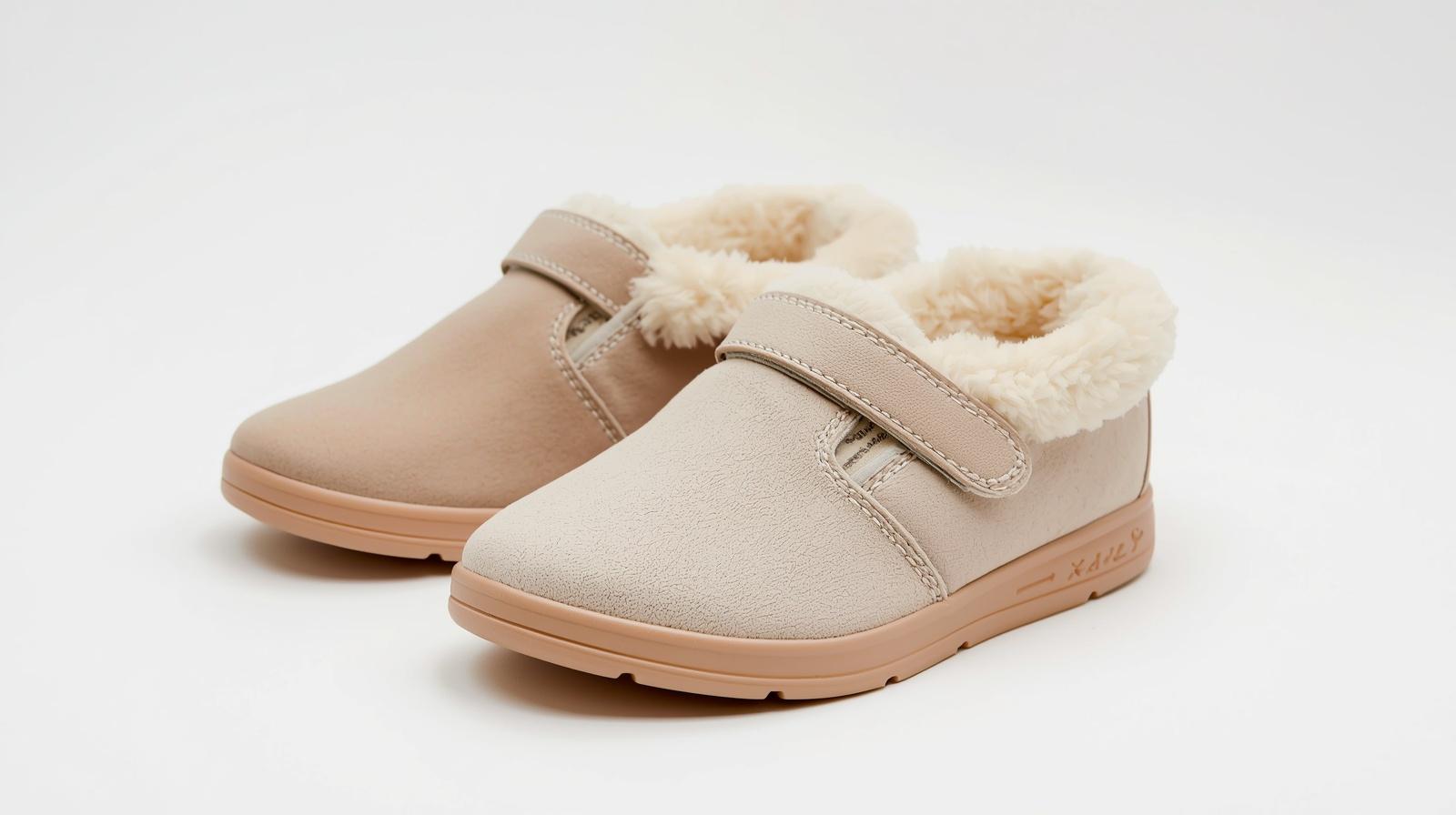
By month seven, bending over to tie shoelaces feels like an impossible yoga pose. Slip-on shoes quickly become your absolute best friend during this phase. You can step right into them hands-free while holding a toddler or groceries.
If you truly prefer laces, consider swapping them for elastic stretch laces. These clever inventions turn any sneaker into a convenient slip-on shoe instantly. You get the sneaker look without the frustrating bending and tying.
Best materials for breathability and support
Hormones can make you run incredibly hot during your pregnancy. Sweaty feet inside synthetic shoes lead to terrible friction and painful blisters. Breathable materials are essential to keep your feet cool and dry.
Canvas and lightweight mesh are fantastic options for warm weather. They allow air to circulate freely and stretch gently over puffy areas. These fabrics also wash easily when you inevitably spill snacks on them.
For colder months, soft leather or suede works beautifully. High-quality leather actually stretches and molds to your unique foot shape over time. Avoid cheap plastics or stiff synthetics that trap heat and refuse to yield.
Must Read: The Best Tank Tops for Nursing That Make Feeding Simple
Common mistakes moms make when choosing shoes
Many moms try to tough it out and wear their pre-pregnancy shoes too long. They endure unnecessary pain simply because they do not want to buy larger sizes. This stubbornness only leads to severe foot damage and awful backaches.
Another common mistake is buying shoes that are completely flat. Ballet flats without support actually strain your Achilles tendon and fallen arches. Always look for at least a slight heel raise or thick internal cushioning.
Buying shoes first thing in the morning is a huge rookie error. Your feet are at their smallest right after you wake up. Always shop for shoes in the late afternoon when your feet are fully swollen.
Budget-friendly vs premium maternity shoes
You might hesitate to spend big money on shoes you only wear for a few months. Budget-friendly options can absolutely work if you know what to look for. Brands like Skechers offer amazing memory foam support without breaking the bank.
However, premium supportive shoes are often worth the investment if you suffer from severe pain. High-end brands engineer their footwear specifically to align your posture and relieve joint stress. Many moms find these premium shoes completely eliminate their sciatic nerve pain.
Remember that you will likely wear these shoes well into your postpartum days. Your feet take time to shrink back, and you will need easy footwear for late-night pacing. Spending a little extra for lasting durability is usually a smart move.
Tips for choosing the right size with swelling feet
Do not be shocked if you need to size up during pregnancy. Many moms go up a half or even a full shoe size before delivery. This size change is completely normal and sometimes becomes permanent.
When trying on shoes, make sure you have a thumb’s width of space at the front. Your toes should never touch the end of the shoe when you stand up. Give yourself that extra room for the inevitable afternoon swelling.
If your feet are extremely wide, look specifically for wide-width sizing. Squeezing a wide, puffy foot into a longer narrow shoe never works. The shoe will simply rub your pinky toe raw and cause agonizing blisters.
When to buy new shoes during pregnancy
Listen to your body to know when it is time to upgrade. If you notice red marks on your skin after removing your shoes, they are too tight. Do not wait for actual blisters to form before taking action.
Around the 20-week mark is when most women experience significant foot changes. This is a great time to evaluate your current footwear situation. Buying supportive shoes early can actually prevent severe swelling and pain later.
If you hit the third trimester and cannot see your feet, buy slip-ons immediately. Do not spend your final weeks struggling to dress yourself every morning. Give yourself the gift of easy, comfortable mornings.
Real-life scenarios: errands, work, and long days on your feet
For a day full of grocery runs and doctor visits, supportive sneakers are your best bet. They keep your energy up and absorb the shock of hard concrete floors. You can easily pair them with leggings for a cute, casual mom look.
If you teach or work in healthcare, you need heavy-duty support. Clogs made for nurses are incredible for pregnant women working 12-hour shifts. They support your arches perfectly and wipe clean in seconds.
For days when you just want to rest at home, do not walk barefoot. Hard floors aggravate heel pain and plantar fasciitis very quickly. Invest in a plush pair of supportive house slippers with thick rubber soles.
Simple foot care tips to reduce pain and swelling
Great shoes work even better when combined with basic foot care. Elevate your feet above your heart whenever you sit down to watch television. This simple trick helps gravity drain the pooled fluid out of your ankles.
Compression socks are a pregnant mom’s secret weapon against swelling. Put them on first thing in the morning before the puffiness starts. They improve circulation immensely and make your shoes fit much better.
Treat yourself to regular foot soaks in cool water with Epsom salts. The cool temperature shrinks swollen blood vessels and relieves burning sensations. Ask your partner for a gentle foot massage afterward to release tight muscles.
Enjoying the journey in the most comfortable maternity shoes
Pregnancy is a wild, beautiful, and sometimes uncomfortable ride. You cannot control the hormones or the extra weight, but you can control your footwear. Finding the most comfortable maternity shoes truly transforms your daily experience.
You do not have to suffer through daily aches and pains. By choosing the right support, you can stay active and happy until delivery day. Treat your feet well now, and they will carry you beautifully into motherhood.
Want more simple, stress-free advice to make your mom life easier? Join the Mom Kid Friendly community today and share your favorite shoe finds with us. We love helping moms navigate this wild journey together!
Must Read: Best Pregnancy Books: Your Ultimate Guide for Every Stage
Frequently asked questions
What are the most comfortable maternity shoes?
They are shoes designed with extra support, cushioning, and space for swelling during pregnancy.
When should I buy maternity shoes?
Most moms need them around the second trimester when feet start swelling.
Should I size up for maternity shoes?
Yes, many moms go up half or one full size due to swelling.
Are slip-on shoes better during pregnancy?
Yes, they are easier to wear when bending becomes difficult.
Can I wear regular shoes during pregnancy?
You can, but they may cause pain if they lack support and space.
What features should maternity shoes have?
Look for cushioning, arch support, wide toe box, and lightweight design.
Do maternity shoes help with back pain?
Yes, proper support improves posture and reduces strain on your back.
Can I use maternity shoes after pregnancy?
Yes, they are great for postpartum recovery and daily comfort.
Author

