
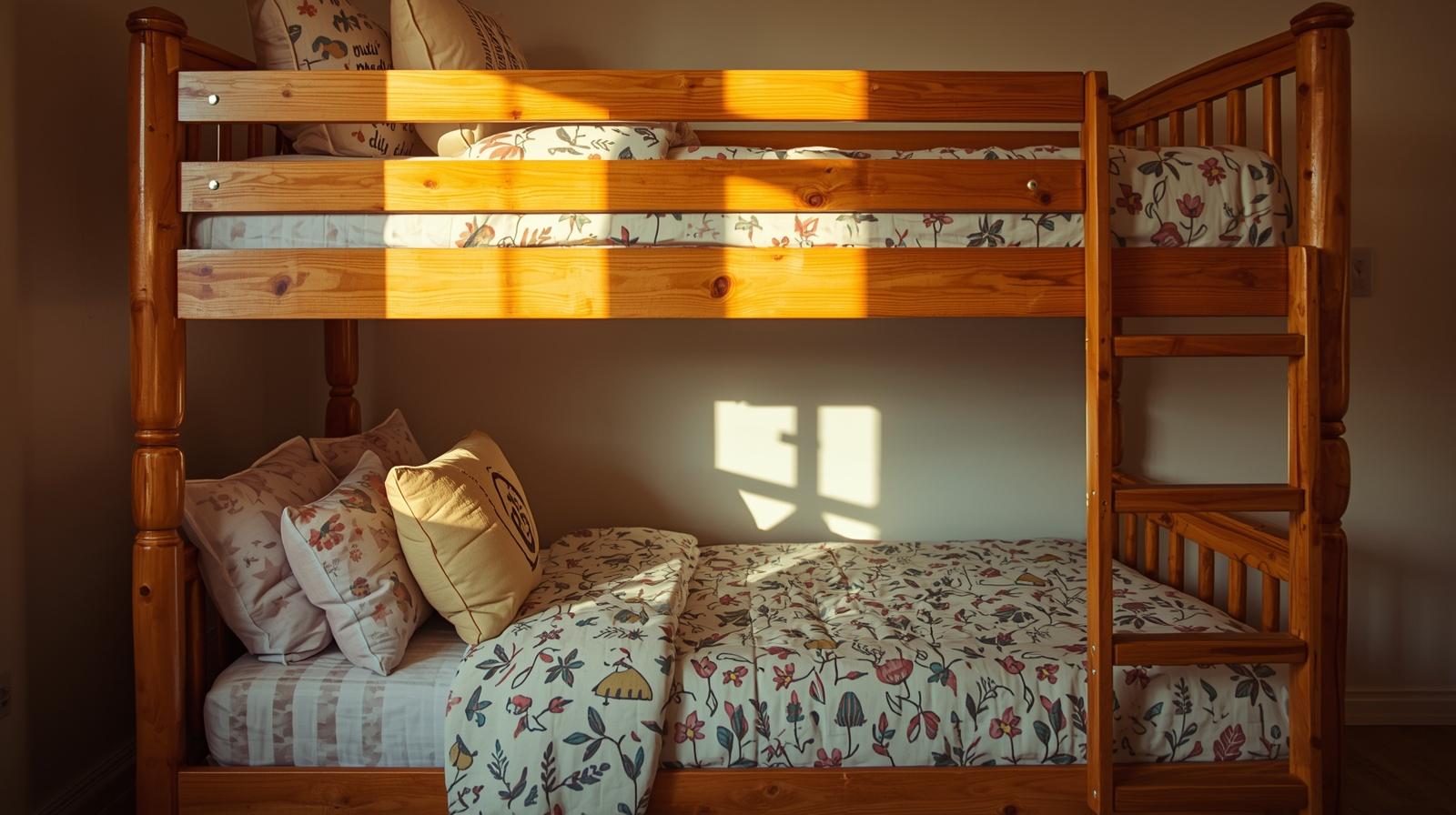
You finally get both kids settled in their separate beds, and then the arguing starts. One kid wants the light on, the other wants it off, and suddenly you’re rethinking the whole room setup and searching for cool childrens bunk beds. Small kids’ rooms can feel like a daily battle zone, and figuring out how to make sharing a room actually work takes some creative thinking.
That’s where cool childrens bunk beds come in. They solve the space problem, give each child their own zone, and—here’s the best part—kids genuinely get excited about them. At Mom Kid Friendly, we’re all about real solutions that make your home calmer and your mornings smoother.
Ready to transform your kids’ room? Save this post and share it with a fellow mom who’s been eyeing bunk beds too!
Why Cool Children’s Bunk Beds Feel Like a Game Changer for Busy Moms
Small Room Problems, Solved
Most kids’ rooms aren’t exactly spacious. Floor space disappears fast once you add two beds, dressers, and a pile of toys no one plays with anymore. A bunk bed stacks sleeping space vertically, which frees up floor room for playing, studying, or just breathing.
Sharing a Room Without Daily Fights
When two kids share a room with separate twin beds pushed together, personal space feels blurry. Bunk beds create natural boundaries—your bed is up top, mine is down below. That simple structure actually reduces conflict because each child has their own defined area.
Making Bedtime Feel Fun, Not Forced
Kids who dread bedtime often just need something to look forward to. Climbing up a ladder, having a cozy top bunk, or owning the coolest lower bunk den can shift the whole bedtime vibe. When the bed itself feels exciting, getting in it becomes a lot easier.
Must Read: Best Childrens Bunk Beds for Safe Space-Saving Rooms
Are Bunk Beds Safe for Kids?
Age Guidelines Every Parent Should Know
Most safety experts recommend that children under six years old should not sleep on the top bunk. Young children are still developing coordination and spatial awareness, which makes climbing up and down risky. Reserve the top bunk for older kids and check in as your children grow.
Guardrails, Ladders, and Sturdy Frames
Look for guardrails on all four sides of the top bunk, not just the open side. The ladder should feel solid and have wide, flat rungs rather than thin ones. A frame that wobbles even slightly is a red flag worth taking seriously before purchase.
Mattress Height and Ceiling Space Checks
The top of the mattress on the upper bunk should sit at least five inches below the top guardrail. You also need at least 30–36 inches of clearance between the top mattress and your ceiling. Measure before you buy—this one step saves a lot of return headaches.
Smart Space-Saving Ideas That Actually Work
Built-In Drawers and Storage Stairs
Some bunk beds come with stairs instead of a traditional ladder, and those stairs often hide pull-out drawers inside. This feature is genuinely useful for storing extra bedding, clothes, or toys without adding another piece of furniture. It’s a quiet little win for moms who want fewer things cluttering the floor.
Desk-Under-Bed Setups for Homework Corners
Loft-style bunk beds place the sleeping area up top and leave the space below open for a desk, shelves, or a reading nook. This setup works especially well for school-age kids who need a dedicated homework corner. You essentially get a mini bedroom office without sacrificing any extra square footage.
Trundle Options for Sleepovers
A trundle bed slides out from beneath the bottom bunk when a friend stays over. During regular nights, it stays tucked away and takes up zero space. It’s one of the easiest ways to make your home the sleepover destination without stressing about where everyone will sleep.
Styles Kids Beg For
House Frame Bunk Beds
House frame bunk beds have a peaked roof shape at the top, making the bed look like a tiny house or cabin. Kids love the cozy, enclosed feeling, and they photograph beautifully in a well-decorated room. These designs come in both wood and metal finishes, so they fit different room aesthetics.
Loft-Style Beds With Play Space Below
A loft bed with open play space underneath taps into every kid’s dream of having a secret fort. You can set up a tent, hang curtains, or add soft floor cushions to turn that space into a dedicated imagination zone. It doubles the function of the room without doubling the furniture.
Modern Minimalist Designs for Growing Kids
Not every child wants a themed bed, especially as they get older. Clean-lined, neutral bunk beds in white, gray, or natural wood tones grow with kids through different style phases. A minimalist design is also easier to redecorate around as tastes change from dinosaurs to sports to whatever comes next.
Must Read: Why Low Bunk Beds Are Becoming a Mom Favorite for Small Spaces
Best Materials for Durability and Easy Cleaning
Solid Wood vs. Metal Frames
Solid wood bunk beds tend to feel warmer and more traditional, and they’re often more durable over time. Metal frames are lighter, usually more affordable, and easier to move if you’re rearranging rooms. Both work well—your choice mostly depends on your style preference and how long you plan to keep the bed.
Paint Finishes and Non-Toxic Options
If you’re buying a painted bunk bed, check that the finish is non-toxic and low in VOCs (volatile organic compounds). Kids spend a lot of hours sleeping close to that surface, so it matters more than most people realize. Look for certifications like GREENGUARD Gold as a quick quality check.
Weight Limits and Long-Term Use
Every bunk bed lists a weight limit for each sleeping level—pay attention to this number. A bed that feels sturdy today might hit its limit in two or three years if you only planned for your child’s current weight. Buy with some growth built in so the bed lasts as long as your kids need it.
How to Measure Your Room the Right Way
Ceiling Height Tips
Standard bunk beds need a ceiling height of at least eight feet to be comfortable and safe. Anything lower can make the top bunk feel claustrophobic and leaves less clearance for safety. Measure your ceiling height before you start shopping, not after you’ve already fallen in love with a style online.
Wall Clearance and Ladder Placement
Consider where the ladder will land once the bed is in place. You need enough wall clearance so the ladder doesn’t block a door, a window, or a heating vent. Sketch out a rough floor plan before placing your order—it takes five minutes and saves a lot of frustration on delivery day.
Planning Around Windows and Fans
Avoid placing the top bunk directly under a ceiling fan or right beside an open window without a screen. Ceiling fans create a falling hazard for kids who sit up quickly in the dark. Windows add ventilation but can also become a safety concern for curious top-bunk sleepers.
Decorating Tips to Make Bunk Beds Look Amazing
Fun Bedding Themes
Let each child pick their own bedding theme so they feel a sense of ownership over their space. One might want rainbows and one might want rockets—and that’s perfectly fine on a bunk bed. Coordinating colors between the two choices keeps the room from looking chaotic.
String Lights and Reading Lamps
Clip-on reading lamps and battery-powered string lights turn each bunk into a cozy little retreat. They’re inexpensive, easy to install without tools, and kids absolutely love them. Just make sure any lights near pillows are low-heat options.
Personal Touches for Each Child
Small shelves, name tags, or custom pillowcases help each child feel like their bunk is truly theirs. Even simple touches like a favorite stuffed animal holder attached to the bed frame can make a big difference. Ownership of their space tends to make kids more willing to keep it tidy.
Budget Tips for Moms Who Want Quality Without Overspending
When to Invest More
Spend more on the frame and safety features—this is not the place to cut corners. A wobbly bunk bed that needs replacing in two years costs more in the long run than a solid option purchased once. Think of it as a per-year investment rather than a one-time sticker shock.
What Features You Can Skip
You don’t need a bunk bed with built-in LED lighting systems, USB charging ports, or a slide (as fun as that sounds). These extras add cost and often break first. Focus on structural quality, safety certifications, and good storage options instead.
Watching for Seasonal Sales
Major sales events like Memorial Day, Labor Day, and Black Friday often include significant discounts on furniture. Signing up for email alerts from your favorite furniture stores can get you early access to those deals. Patience here pays off—sometimes waiting just a few weeks saves you over a hundred dollars.
Must Read: Why Moms Are Considering a West Elm Crib
Common Mistakes Parents Make Before Buying
Ignoring Weight Limits
This one comes up again because it’s genuinely the most overlooked detail. Parents often check the current weight of their child and forget that kids grow fast. Always check the weight limit for both the top and bottom bunk before purchasing.
Choosing Style Over Safety
A gorgeous bunk bed with thin guardrails and a flimsy ladder is not worth the risk. Read reviews from other parents specifically about stability and safety, not just appearance. Style should be secondary to a well-built, certified-safe frame.
Forgetting About Mattress Thickness
Thicker mattresses push your child higher on the top bunk, which reduces the effective guardrail height. Standard bunk bed mattresses should be no more than six inches thick unless the bed is specifically rated for thicker options. Double-check mattress compatibility before you order both together.
Choosing the Right Cool Children’s Bunk Beds for Your Home
Picking cool children’s bunk beds comes down to three things: your children’s ages, the size of the room, and how long you want the bed to last. A well-chosen bunk bed can genuinely transform a shared room from a daily stress point into a space your kids actually love. Here at Mom Kid Friendly, we believe that the right setup makes peaceful mornings and easier bedtimes possible—even on the hard days.
Think long-term when you shop. A bed that works for a five-year-old and an eight-year-old today should still work when they’re nine and twelve. The best cool children’s bunk beds are the ones that grow alongside your family without needing to be replaced every few years.
You’ve got this, mama. One good bunk bed decision and you might just end the bedtime battles for good.
Did this help you narrow down your search? Drop your questions in the comments below, or share this post with a mom who’s been measuring her kids’ room for the third time this week!
Frequently Asked Questions
Are cool childrens bunk beds safe for young kids?
Most experts recommend that children under six should not sleep on the top bunk. Always choose cool childrens bunk beds with full guardrails, sturdy ladders, and proper mattress height.
What ceiling height do I need for bunk beds?
You should have at least 8-foot ceilings. Make sure there is 30–36 inches between the top mattress and the ceiling for comfort and safety.
What is the best material for bunk beds?
Solid wood lasts longer and feels sturdy. Metal frames cost less and are easier to move, but both can work well if they meet safety standards.
Can bunk beds help reduce sibling fights?
Yes, they often create clear personal spaces. Each child gets their own defined area, which can lower daily arguments in shared rooms.
Do bunk beds work in small bedrooms?
Yes, they free up floor space by stacking beds vertically. This creates more room for play, storage, or a desk.
Are loft-style bunk beds good for school-age kids?
Loft beds work great for older kids. They allow space underneath for a desk, reading nook, or storage.
What mattress thickness is safe for bunk beds?
Most bunk beds require mattresses no thicker than six inches for the top bunk. Always check the manufacturer’s safety guidelines.
Do bunk beds have weight limits?
Yes, every bunk bed lists a weight capacity for both levels. Always plan for growth so the bed lasts several years.
Author

