
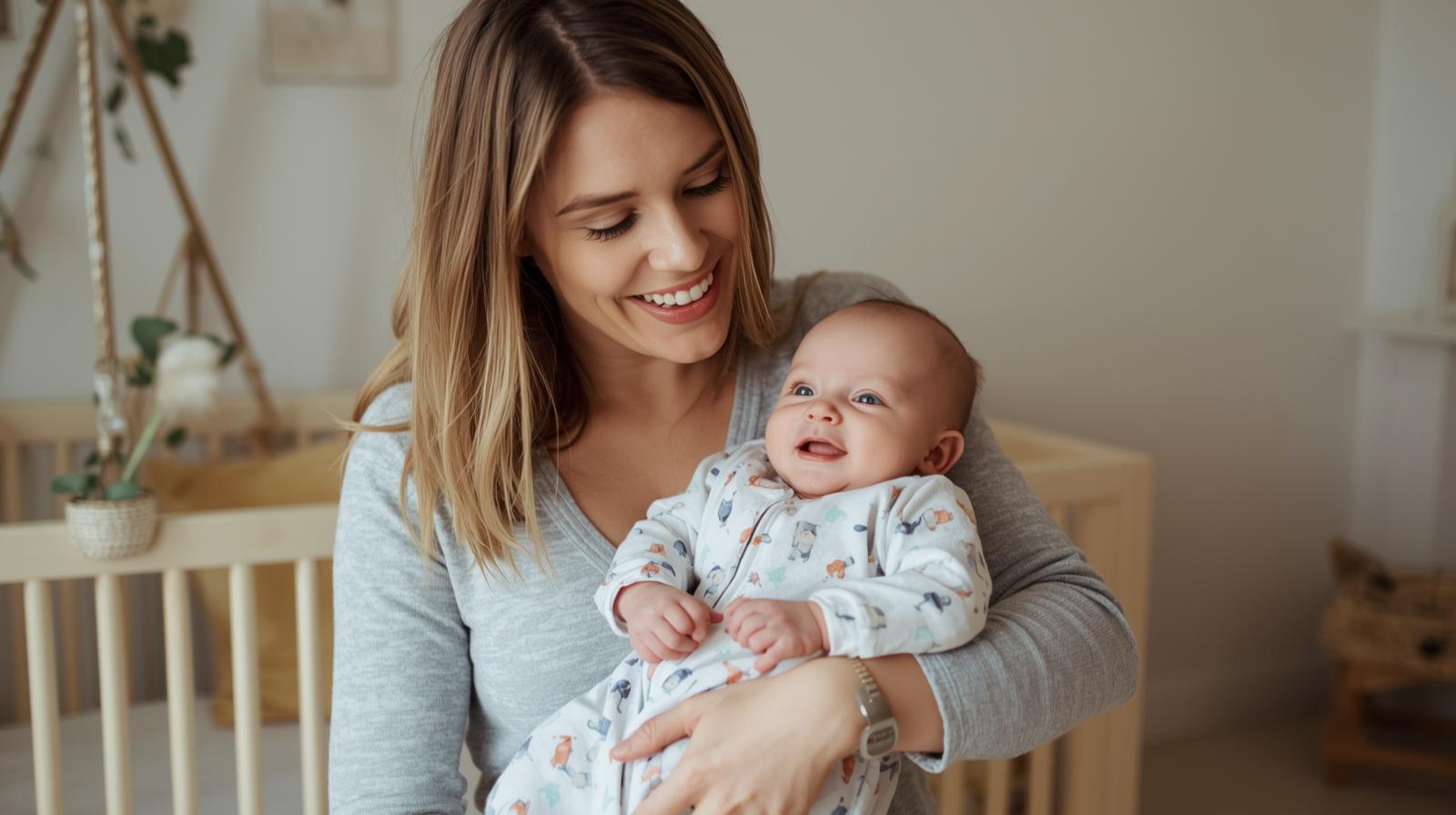
You finally felt like you had a rhythm, and now your baby is suddenly waking up every hour. The swaddle that used to work magic now seems to frustrate them, or maybe they are showing signs of rolling over. This is the exact moment many of us start hunting for the best sleep sack for a 3 month old to bring some peace back to bedtime.
If you are currently surviving on coffee and dry shampoo, just know that this phase is temporary. Transitioning from a swaddle to a sleep sack is a big milestone, and choosing the best sleep sack for a 3 month old can make nights feel more manageable. Let’s talk about how to find the right one so everyone can get some rest.
Have you found a sleep sack that saved your sanity? Share your favorite brands in the comments below!
Why Sleep Feels Harder at 3 Months
There is a reason why the “four-month sleep regression” is such a scary phrase in the parenting world. At around three months, your baby’s sleep cycles are maturing and changing drastically. They are starting to wake up more fully between sleep cycles, which makes staying asleep much harder.
It isn’t just about their brain changing; their body is changing too. They are becoming more alert, more social, and much more aware of the world around them. The cozy newborn fog is lifting, and suddenly, they need a little more help feeling secure without being fully restricted.
This is often when the startle reflex starts to fade, but it hasn’t disappeared completely. Your baby might still jerk their arms while sleeping, which can wake them up if they aren’t feeling contained. It’s a tricky middle ground between needing freedom and needing security.
Why Many Parents Stop Swaddling Around This Age
The main reason parents stop swaddling around three months is safety. Once a baby shows any sign of trying to roll over, the swaddle has to go immediately. Their arms need to be free to push up or adjust if they end up on their tummy.
Even if your baby isn’t rolling yet, they might start fighting the swaddle. You might notice them grunting, wiggling, or breaking an arm free in the middle of the night. This struggle to break free can wake them up just as much as the startle reflex does.
Stopping the swaddle cold turkey can be terrifying for parents who rely on it for sleep. This is why transitioning to a sleep sack is such a popular choice. It provides a signal that it’s time to sleep without the safety risks of loose blankets or restrictive wrapping.
Must Read: Best Umbrella Stroller: Your Guide to Lightweight Travel
How Sleep Sacks Support Safer Sleep for a 3 Month Old
A sleep sack is essentially a wearable blanket that can’t be kicked off. This eliminates the risk of loose bedding in the crib, which is a major safe sleep guideline. It keeps your baby warm and cozy all night without worrying about a blanket covering their face.
Sleep sacks also provide a very strong sleep association for your baby. When you zip them in, their brain starts to recognize that it is time to wind down. This routine can help them settle faster, even when their sleep cycles are changing.
For a three-month-old, a sleep sack offers freedom of movement for their hips and legs. This is crucial for healthy hip development, allowing them to kick and frog-leg naturally. It strikes the perfect balance between the coziness of a swaddle and the freedom they are starting to crave.
What to Look for in a Sleep Sack for a 3 Month Old
When you are shopping for the best sleep sack for a 3 month old, the options can feel overwhelming. The first thing to check is the style of the arm openings. Since safety is key, you want a sack that allows their arms to be completely out if they are rolling.
Next, look at the zipper placement and functionality. You will be doing diaper changes in the dark, so a two-way zipper or an inverted zipper is a lifesaver. You do not want to fully undress a freezing baby at 2:00 AM just to change a wet diaper.
Finally, consider the neck opening and how it fits your specific baby. It should be snug enough that it cannot slip over their chin or face. However, it shouldn’t be so tight that it looks uncomfortable or rubs against their skin.
Fabric, Warmth, and TOG Explained Simply
You will see the term “TOG” on almost every sleep sack label, and it can be confusing. TOG stands for Thermal Overall Grade, which is just a fancy way of measuring how warm the fabric is. A lower number means lighter fabric, while a higher number means it is thicker and warmer.
For warmer months or houses kept at 70 degrees or higher, a 0.5 or 1.0 TOG is usually sufficient. These are often made of breathable cotton or muslin that prevents overheating. Overheating is a safety risk, so it is usually better to layer up underneath a lighter sack than to choose one that is too heavy.
If your nursery is cooler, usually below 68 degrees, you might look for a 2.5 TOG sack. These feel more like a cozy duvet or comforter. Always check the manufacturer’s chart, as they will tell you exactly how to dress your baby underneath based on the room temperature.
Fit and Sizing Mistakes to Avoid
One of the biggest mistakes parents make is buying a sleep sack that is too big so the baby can “grow into it.” A sleep sack that is too loose around the neck or arms is dangerous. If the baby can pull their arms inside the bag or the neck hole slips up, it poses a suffocation risk.
On the flip side, you don’t want a sack that is too tight around the hips. Your baby needs to be able to bend their legs up and out comfortably. If the sack restricts their leg movement too much, it can be bad for their hips.
Always go by your baby’s current weight and height rather than just their age in months. A three-month-old in the 90th percentile fits differently than one in the 10th percentile. Check the size chart for every single brand, because they all fit a little differently.
How a Sleep Sack Fits Into a Bedtime Routine
Consistency is the secret sauce to surviving the three-month sleep shift. A sleep sack acts as a clear “off switch” for your baby’s day. It should be the very last step in your routine before the lights go out.
A typical routine might look like bath, pajamas, feeding, and then the sleep sack. As you zip it up, you can say a specific phrase like “sleepy time” or sing a short song. This repetition helps their brain predict what is coming next, which reduces anxiety and crying.
You can also use the sleep sack for naps to keep things consistent. If they associate the sack with sleep at night, it will help them connect those dots during the day. It makes sleeping on the go or in different places easier because the sack smells and feels like home.
Signs Your Baby is Comfortable in a Sleep Sack
You will know you found the best sleep sack for a 3 month old when they settle relatively quickly. If they are not fighting the fabric or trying to claw their way out, that is a good sign. Their body language should look relaxed once they are zipped in.
Check their temperature by touching their chest or the back of their neck. Their hands and feet might feel cool, which is normal, but their core should feel warm and dry. If they feel sweaty or hot to the touch, the TOG is likely too high or they are overdressed underneath.
If your baby is sleeping soundly (or as soundly as a three-month-old can), the sack is doing its job. Waking up happy and ready to play usually indicates they were comfortable all night. Trust your gut; you know your baby best.
Must Read: Finding the Best Post Pregnancy Bathing Suit for You
Common Questions Parents Ask About Sleep Sacks
Can I use a weighted sleep sack for my baby?
Current safety recommendations from the AAP advise against weighted sleep sacks. They can restrict breathing and movement for young infants. It is safer to stick to standard, non-weighted wearable blankets.
Do I need different sleep sacks for summer and winter?
Yes, most parents find they need at least two different weights. A lightweight one for summer and a thicker one for winter ensures your baby stays safe. This helps you avoid using loose blankets to add warmth.
How many sleep sacks do I need?
Having two or three sleep sacks is usually the magic number. This allows you to have one on the baby, one in the wash, and one backup for diaper blowouts. You don’t want to be waiting on the dryer at midnight.
When should I stop using a sleep sack?
You can use sleep sacks well into toddlerhood. Many brands make sizes that fit kids up to 3 or 4 years old. Some even have foot holes for walkers who need mobility.
Is it okay if my baby’s feet touch the bottom?
It is okay if their feet touch, as long as they can still extend their legs fully. If their legs look cramped or they can’t straighten out, it is time to size up. Comfort is key for good hip health.
Choosing the Best Sleep Sack for 3 Month Old
Finding the right sleep gear can feel like solving a puzzle with missing pieces. But once you find the best sleep sack for a 3 month old, everyone in the house sleeps a little better. Remember to look for safety features, the right TOG for your home, and a proper fit.
Mom Kid Friendly is here to support you through every sleep regression and milestone. You are doing a great job, even on the nights that feel endless. Trust yourself and the tools that help your baby feel safe and secure.
Which sleep sack features are a “must-have” for you? Let us know in the comments below!
Must Read: The Best Bottles for Babies: A Simple Guide for New Moms
Frequently Asked Questions
What is the best sleep sack for a 3 month old?
The best sleep sack for a 3 month old fits snugly at the neck and arms, allows free leg movement, and matches your room temperature with the right TOG.
Is a sleep sack safe for a 3 month old baby?
Yes, a properly fitted sleep sack is safe and follows safe sleep guidelines by removing loose blankets from the crib.
Should a 3 month old still be swaddled or use a sleep sack?
Many parents switch to a sleep sack around this age, especially if the baby shows signs of rolling or starts fighting the swaddle.
What TOG sleep sack is best for a 3 month old?
Most babies do well with a 0.5–1.0 TOG in warm rooms and a 2.5 TOG in cooler rooms, depending on nursery temperature.
Can a 3 month old wear a sleep sack for naps?
Yes, using the same sleep sack for naps helps build a consistent sleep routine.
How many sleep sacks do I need for a 3 month old?
Two to three sleep sacks usually cover daily use, laundry days, and unexpected messes.
Author

