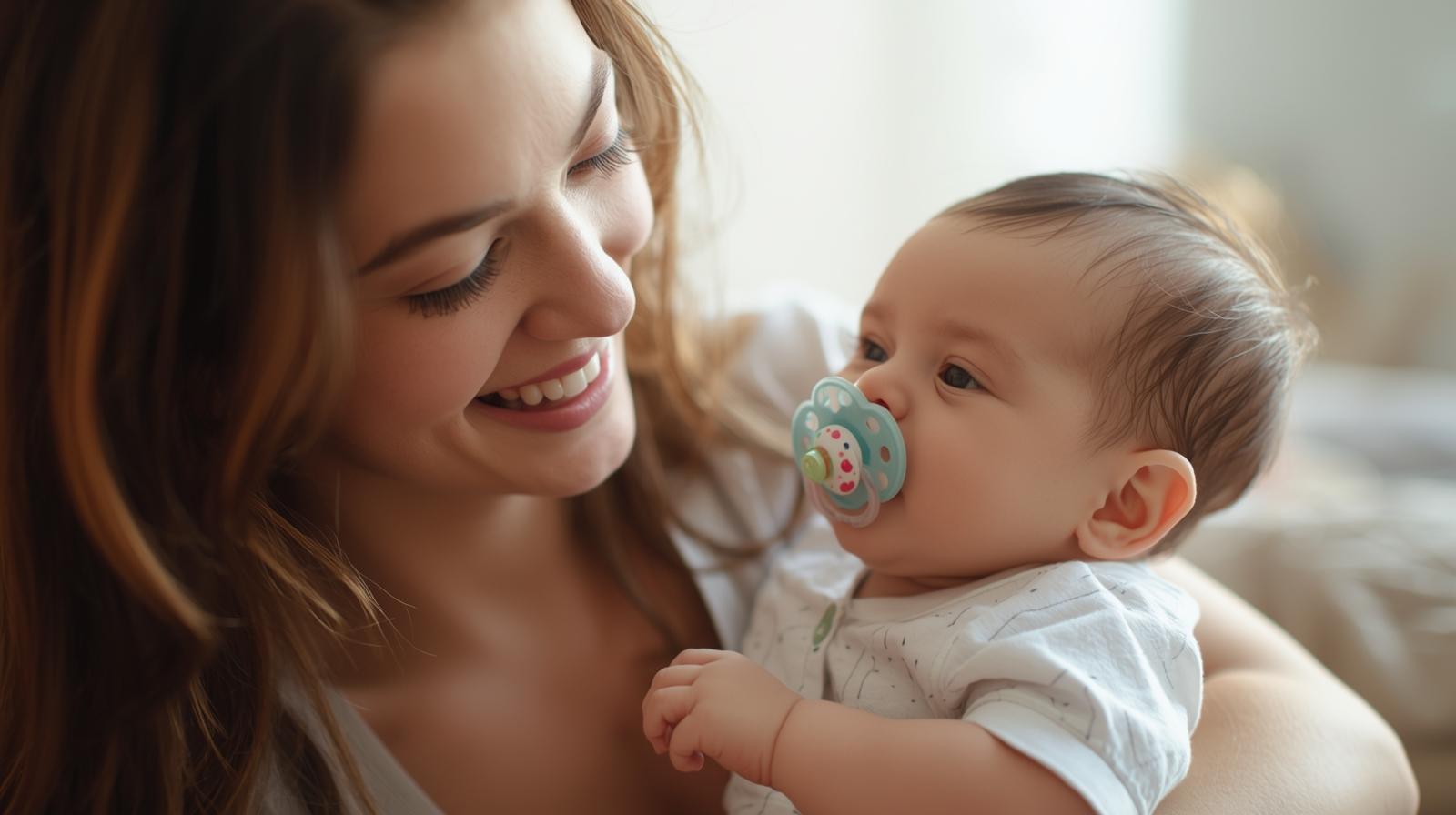
You are tired, your baby is fussy, and you are standing in the dark wondering if this little piece of silicone will finally bring everyone some sleep. Finding the best pacifiers for newborns feels oddly high stakes, because it kind of is. The right pick can calm your baby, protect their oral health, and keep your breastfeeding journey on track.
The problem is there are a lot of choices and a lot of loud opinions. Some parents swear their baby would only take one brand like the popular philips avent soothie. Others warn that the wrong nipple shape ruined their latch. You do not need more noise.

You need clear, mom-to-mom style guidance on the best pacifiers for newborns. This guide offers insights backed by solid pediatric advice. We also include real product links you can click to view product details and buy.
Table of Contents:
- How To Choose The Best Pacifiers For Newborns
- Best Pacifiers For Newborns: Quick Comparison
- Top Newborn Pacifier Picks And Who They Are Best For
- 1. Philips Avent Soothie: The Hospital Favorite
- 2. MAM Comfort: Great For Breastfed Newborns
- 3. NUK Comfy: Orthodontic Shape For Growing Mouths
- 4. Tommee Tippee Ultra Light: For Babies Who Spit Everything Out
- 5. MAM Original Day And Night: You Can See Them In The Dark
- 6. RaZbaby JollyPop: Soft Feel That Mimics Hospital Styles
- 7. Natursutten: Natural Rubber Choice For Simple Ingredient Lovers
- How Many Pacifiers Do You Actually Need
- Safety And Oral Health Tips For Pacifier Use
- Pacifiers And Breastfeeding: How To Protect Your Milk Journey
- Where To Put Pacifiers On Your Baby Shopping List
- Common Questions About Newborn Pacifiers
- Realistic Expectations About Pacifier Use
- Conclusion
- Frequently Asked Questions
How To Choose The Best Pacifiers For Newborns
Before you grab the cutest design, it helps to know what actually matters for a tiny newborn mouth. Baby pacifiers look similar on the shelf, but they behave very differently once your baby starts sucking. Understanding the anatomy of the pacifier helps you make a better choice.
The American Academy of Pediatric Dentistry notes that pacifiers should have a shield at least 1.5 inches wide to keep babies from putting the whole thing in their mouth. You can see that shield size guideline in their policy on pacifiers. That is one of the first things I look at to prevent a choking hazard.
The American Academy of Pediatrics also shares that pacifiers can lower the risk of SIDS when used for sleep once breastfeeding is established. They go into that in more detail in their article on pacifiers and thumb sucking. So pacifiers are not the enemy.
You just want one that fits your baby’s age, mouth, and feeding style. It should provide comfort without interfering with development. We will look at options that support natural sucking reflexes.
Key Features That Actually Matter
Here are the things I pay attention to for a newborn, especially in those early weeks. You want items that offer comfortand safety.
- Single-piece construction: Fewer seams mean fewer spots for germs and water.
- Soft medical-grade silicone or natural rubber: Gentler on gums and easier for weak suck reflex.
- Shield size and shape: Wide enough per AAPD guidance, with ventilation holes for airflow.
- Orthodontic nipple or rounded nipple: Depends on what your baby likes and how they latch at breast or bottle.
- Lightweight feel: Heavy pacifiers fall out constantly and frustrate everyone.
You will also see talk about “lip flanging” and “tongue extension.” That just means your baby can curl their lips out and move the tongue forward the same way they do at the breast. Pacifiers that allow that more natural motion support natural oral development.
There is even discussion of it on a simple explainer on tongue extension. We want to avoid anything that inhibits natural oral mechanics. This is especially true for breastfed babies.
Related Reading: Teaching Children Basic Life Skills: A Comprehensive Guide
Best Pacifiers For Newborns: Quick Comparison
If you are short on time and holding a fussy baby while reading this, here is the quick look version. We can compare products right here before we explain the details.
| Pacifier | Material | Best For | Price Range |
|---|---|---|---|
| Philips Avent Soothie | One piece silicone | Hospital style comfort | About $7.59 for four |
| MAM Comfort | Soft silicone | Breastfed babies | About $8.16 for two |
| NUK Comfy | 100 percent silicone | Orthodontic nipple fans | About $9.49 for five |
| Tommee Tippee Ultra Light | Featherlight silicone | Babies who spit pacifiers out | About $17.99 for four |
| Natursutten | Natural rubber | Parents wanting a simple rubber option | About $8.99 each |
Top Newborn Pacifier Picks And Who They Are Best For
Let’s walk through each option one by one, with how it actually behaves in tiny baby hands and mouths. Because you and I both know your newborn is the real boss here. We want to find the specific item that soothes babies most effectively.
1. Philips Avent Soothie: The Hospital Favorite
If you left the hospital with a green round pacifier, it was probably a soothie pacifier. This is the classic one-piece designstyle a lot of nurses use because it is sturdy and easy clean. You can see it at Walmart as the Philips Avent Soothie, usually around $7.59 for a four pack.
Parents love that there are no little pieces and no handle to poke baby’s face. It is easy to hook a clean finger through the back if you are helping baby learn how to latch on to it. The avent soothie pacifier is famous for a reason.
For many newborns the shape is soothing and familiar, especially if the hospital used the same brand. This philips aventproduct is highly durable. It can withstand high temperatures during sterilization.
If you want more shopping choices, it also shows up on Amazon in a four pack for a similar price at this listing. That can be handy if you are stocking up before baby arrives. You can even find them in larger gift sets.
2. MAM Comfort: Great For Breastfed Newborns
The MAM Comfort line is a common pick for parents worried about nipple confusion. The silicone is very soft, and the shield is small and curved so it does not push into baby’s nose. You can find it at Walmart under the MAM Comfort pacifiers in the 0 to 3 month size.
These are lightweight and often stay in better for small babies with weaker muscle tone. Many lactation consultants like that the nipple encourages the tongue to move forward instead of back. This aligns with how the breast works.
This design promotes healthy oral activity. This can support good suck patterns, which matters a lot for long feeds at night. It is a favorite among silicone pacifiers.
You are not locked into Walmart though. Target and Amazon also carry the MAM Comfort style. There is a two pack on Amazon at this link if you are bundling orders with other baby gear.
3. NUK Comfy: Orthodontic Shape For Growing Mouths
Some babies just do better with an angled, orthodontic nipple style. That is where the nuk comfy comes in. It is a one piece 100 percent silicone design that pairs a more tooth friendly nipple with a flexible shield.
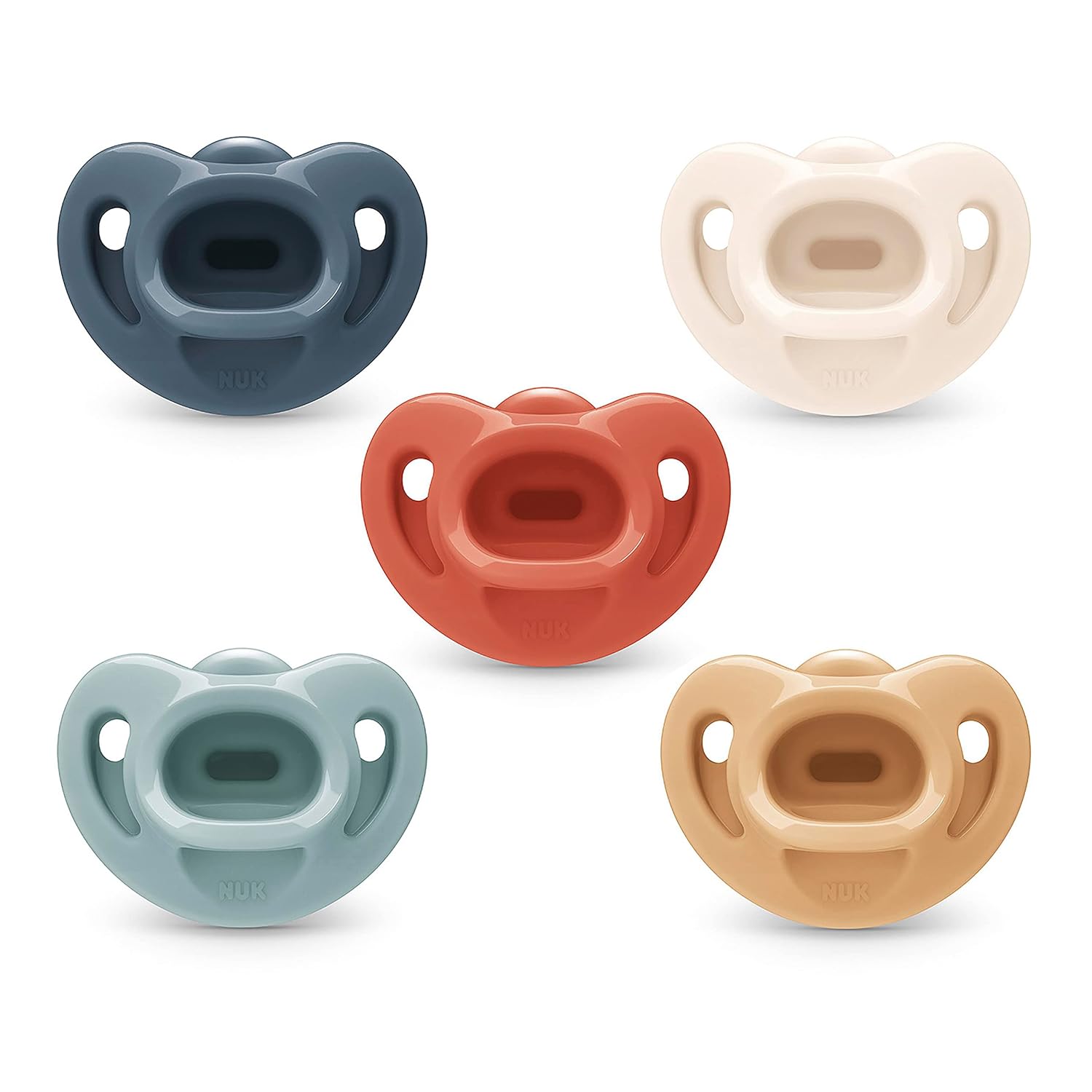
This design promotes healthy gum development. You can see details and pricing in the listing for the NUK Comfy pacifier. The nuk orthodontic pacifier shape is distinct.
The NUK Comfy packs are very budget friendly. You often get five pacifiers in a pack around the nine dollar mark. That matters because newborns have a special skill for losing pacifiers under cribs and couches.
If you prefer to shop through Amazon you can pick up the same style at this listing. Parents who stick with NUK long term like the consistent orthodontic shape as baby’s mouth grows. The nuk orthodontic line scales up well as they get older.
4. Tommee Tippee Ultra Light: For Babies Who Spit Everything Out
Do you have a baby who acts like every pacifier is a joke and lets it fall out every time you sit down. A lighter feel can help, which is the whole idea behind the tommee tippee Ultra Light line. These pacifiers weigh less than many other options.
This makes them easier for small lips to hold. You can check them out at Amazon as the Tommee Tippee Ultra Light silicone pacifier. A common bundle is a four pack around $17.99.
Parents like the slim shield and the curved edges that fit well against baby’s cheeks. The shape tends to sit low enough that it does not rub under the nose. It features extra-large ventilation holes to reduce skin irritation.
If you find your baby can start sucking it in without help, that lighter feel is usually why. This brand is often compatible with other favorite items like their bottles. It helps you keep a consistent ecosystem.
5. MAM Original Day And Night: You Can See Them In The Dark
At some point you will be kneeling by the crib, fishing for a lost pacifier at three in the morning. Glow in the dark handles suddenly become your new favorite invention. The MAM Original Day and Night pacifiers take the classic MAM nipple and add that night friendly touch.
They come in small sizes for young babies, and the thin shield helps protect the area around baby’s mouth from constant moisture. You can see the 0 to 6 month three pack on Walmart at this listing. It features a butterfly-shaped shield for comfort.
If Target curbside pickup is more your style during newborn life, they also stock a similar three pack at Target online. Amazon carries the brand as well at this listing. This is one of those true baby essentials.
Are they a must have on day one. Not really. But once you hit the “throw three pacifiers in the crib and pray” stage, the glow handles matter more than you think.
6. RaZbaby JollyPop: Soft Feel That Mimics Hospital Styles
JollyPop is another name you will often see in NICUs and birth centers. The razbaby jollypop has a very soft medical-grade silicone body and a rounded nipple shape. It sits low under the nose and works well for babies with tiny faces.
You can find it in a budget friendly three pack through Walmart at this listing. There is also a smaller two pack size at Amazon at this link. It functions similarly to the philips avent soothie pacifier.
If your hospital used JollyPop and your baby liked it, do not overthink it. Order a few packs, toss extras in the diaper bag, and give yourself one less thing to stress about. Sometimes the simple option is best.
7. Natursutten: Natural Rubber Choice For Simple Ingredient Lovers
If you prefer simpler materials against your baby’s skin, Natursutten might catch your eye. These latex pacifiers use natural rubber instead of silicone. They have a one piece body without creases or seams.

They come in different shapes and nipple styles for babies under six months. You can check out the pricing and styles in their listing on Amazon at this link. This supports natural oral development concepts.
The price per pacifier is higher than many silicone pacifiers, but a lot of parents feel better about the ingredient list. It feels very natural in baby’s mouth. One thing to know regarding latex pacifiers.
Natural rubber can pick up wear faster over time, especially if your baby is a strong biter. That just means you check the nipple often and replace when you see changes. Treat it the same way you would with a bottle nipple.
How Many Pacifiers Do You Actually Need
You might be wondering if you need one favorite or a small collection. My honest take is that you want a starter variety pack. You need a backup set of whatever baby ends up loving.
Something like a Soothie four pack from Walmart, a MAM Comfort two pack, and one orthodontic pack like the NUK Comfy set gives you a spread of nipple styles. You can see those price points and sizes by checking listings such as the Soothie bundle at Walmart and the NUK Comfy set at Graco. You will find various pacifier sizes in these sets.
Once baby clearly favors one shape, that is the time to stock up. Sprinkle them around the house, car, diaper bag and bassinet. This keeps you from rinsing the same pacifier in the sink thirty times a day.
You can even leave spares near your breast pumps or feeding station. Having them within arm’s reach prevents panic. It helps baby simply relax faster.
Related Reading: Keeping Kids Active for Health and Happiness
Safety And Oral Health Tips For Pacifier Use
Pediatric dentists care less about whether you use a pacifier and more about how you use it. They want to promotes healthy oral development. The AAPD policy calls out three simple points that matter even in the newborn stage.
- Pick a pacifier with a firm, vented shield that is at least 1.5 inches across.
- Skip pacifier clips or cords long enough to wrap around baby’s neck.
- Do not dip the pacifier in sweet drinks, honey or syrup.
For newborns, you are also focused on clean gear and calm use. Wash pacifiers before the first use and regularly after that. For silicone styles you can usually boil them briefly or follow package cleaning directions.
Silicone can usually withstand high heat. Many parents time this with washing baby bottles and accessories. This routine ensures hygiene.
If you are wondering about long term teeth changes, the AAP covers that in their article on pacifiers and thumb sucking. The main takeaway is this. Most normal pacifier use in baby and toddler years does not cause permanent damage.
This is especially true if you start weaning by age three. By then, you will be worrying about potty training instead. Just keep an eye on healthy oral development milestones.
Pacifiers And Breastfeeding: How To Protect Your Milk Journey
This might be the number one concern you have about introducing a pacifier. You have heard warnings about nipple confusion, cluster feeding, and milk supply drops. Here is a simple way to think about it that lines up with current guidance.
In the first weeks your baby’s sucking time at the breast is what tells your body how much milk to make. You want most comfort sucking to happen on you, not a pacifier. This should be the case at least until feeds feel steady.
Once your pediatrician and lactation support feel growth is on track, pacifiers used after full feeds are usually fine. Some lactation consultants like softer styles that allow better lip flanging and tongue motion. Shapes like MAM Comfort or avent soothie can support that.
Pacifiers that let the tongue move forward, as you see in explanations of tongue extension, are usually preferred. This mimics the nipple, silicone or not, of the mother. It supports a natural latch.
Where To Put Pacifiers On Your Baby Shopping List
If you are building a registry and trying to guess what to add, it helps to group pacifiers with other “comfort gear.” Many registry tools let you create a section with newborn must haves so friends can shop smarter. It makes it easier to meet baby needs.
One easy way to see what experienced parents add is browsing a larger registry hub. Sites like Babylist show newborn essentials and gear parents are actually registering for right now. They also give ideas beyond pacifiers, like extra burp cloths and bottle brushes.
You can even add big ticket items like air purifiers or bottle warmers. If you want help structuring your list, their baby registry checklist and hospital bag checklist can keep you from over buying in some areas and forgetting basics in others. Pacifiers usually live in the same category as sleep bags and swaddles.
When you sign up for these sites, check their privacy policy. You can often adjust your privacy choices to keep your list hidden or public. If you have issues, their customer support can usually help merge lists.
Common Questions About Newborn Pacifiers
New parents often have the same questions when they embark on this journey. Here are a few answers to help soothing baby go smoother. These tips cover the basics of maintenance and usage.
Can I put these pacifiers in the dishwasher?
Most one-piece silicone pacifiers are top-rack dishwasher safe. However, products made of natural rubber usually need hand washing. Always check the packaging to see if they can withstand high temperatures.
When should I replace a pacifier?
Inspect the nipple shape every day before giving it to your baby. If you see cracks, tears, or stickiness, throw it away immediately. Rubber pacifiers degrade faster than medical-grade silicone ones.
Why do some pacifiers have holes in the shield?
Those are ventilation holes or sometimes extra-large ventilation holes. They allow air to reach the skin around the mouth. This prevents rashes from saliva buildup.
Are expensive pacifiers better?
Not necessarily. A simple soothie pacifier is often just as effective as a boutique brand. It really depends on your baby’s preference for the nipple, silicone texture, and shield shape.
Realistic Expectations About Pacifier Use
Here is the part many guides skip. Your baby might totally reject your favorite pacifier brand. Or they might adore one that other babies hate.
You can do all the research, follow the guidelines and still end up saying “well that was a waste of eight dollars.” This does not mean you did it wrong. Babies just have opinions.
What you can do is pick from well tested options. Stick within safety rules like the AAPD shield guideline. Keep pacifier time focused on comfort instead of delaying every feed.
And if you ever worry that you are overusing a pacifier to buy yourself a little quiet, remember this. Newborn life is survival mode. You are allowed to use safe tools that help everyone in your home get more rest.
Related Reading: How to Build Confidence in Shy Children
Conclusion
Finding the best pacifiers for newborns does not have to feel like a science project. If you start with safe shapes, soft materials, and well known brands, you have already done the hard part. Your baby will handle the rest by clearly voting for the one they love.
Mix a couple of classics like the philips avent soothie with softer picks such as MAM Comfort. Add in one orthodontic pacifier option like NUK Comfy and see what sticks. Use advice from pediatric sources like the AAPD pacifier policy.
Refer to the AAP guide on pacifiers and thumb sucking to shape how you use them. This approach helps support natural oral habits from day one. It removes the guesswork from pacifiers – at least a little bit.
Most of all, give yourself grace. The best pacifiers for newborns are the ones that calm your baby and fit safely. They promotes healthy oral development and make those long nights a little more manageable for you.
Frequently Asked Questions
Why do newborns like pacifiers so much?
Newborns love to suck. It calms them. A good pacifier gives them that comfort without turning your finger into a 24/7 chew toy.
What age should I start using a pacifier?
Most parents wait until breastfeeding feels steady. Some start earlier if they need quick soothing. The main thing is watching how your baby latches and adjusting if needed.
How do I know which pacifier shape is right?
You test a few. Some babies like a round nipple. Others prefer an orthodontic shape. Your baby decides faster than you will.
How many pacifiers should I keep at home?
At least four. One in the crib. One in the diaper bag. One in the living room. One as backup for when the dog steals it. Yes, it happens.
How often should I replace a newborn pacifier?
Anytime you see cracks, stretching, or stickiness. Most parents replace every four to six weeks to keep things clean and safe.
Can pacifiers mess up teeth?
Not in the early months. The concern comes later if a baby keeps using one for years. For newborns, it’s fine.
Do natural rubber pacifiers work the same as silicone?
Yes, but they feel softer. Some babies love that squishier bounce. Others don’t. Again, your baby is the boss.
Should I use a glow-in-the-dark pacifier?
If you’re tired of crawling on the floor at 3 a.m., yes. It saves your sanity.
Author

