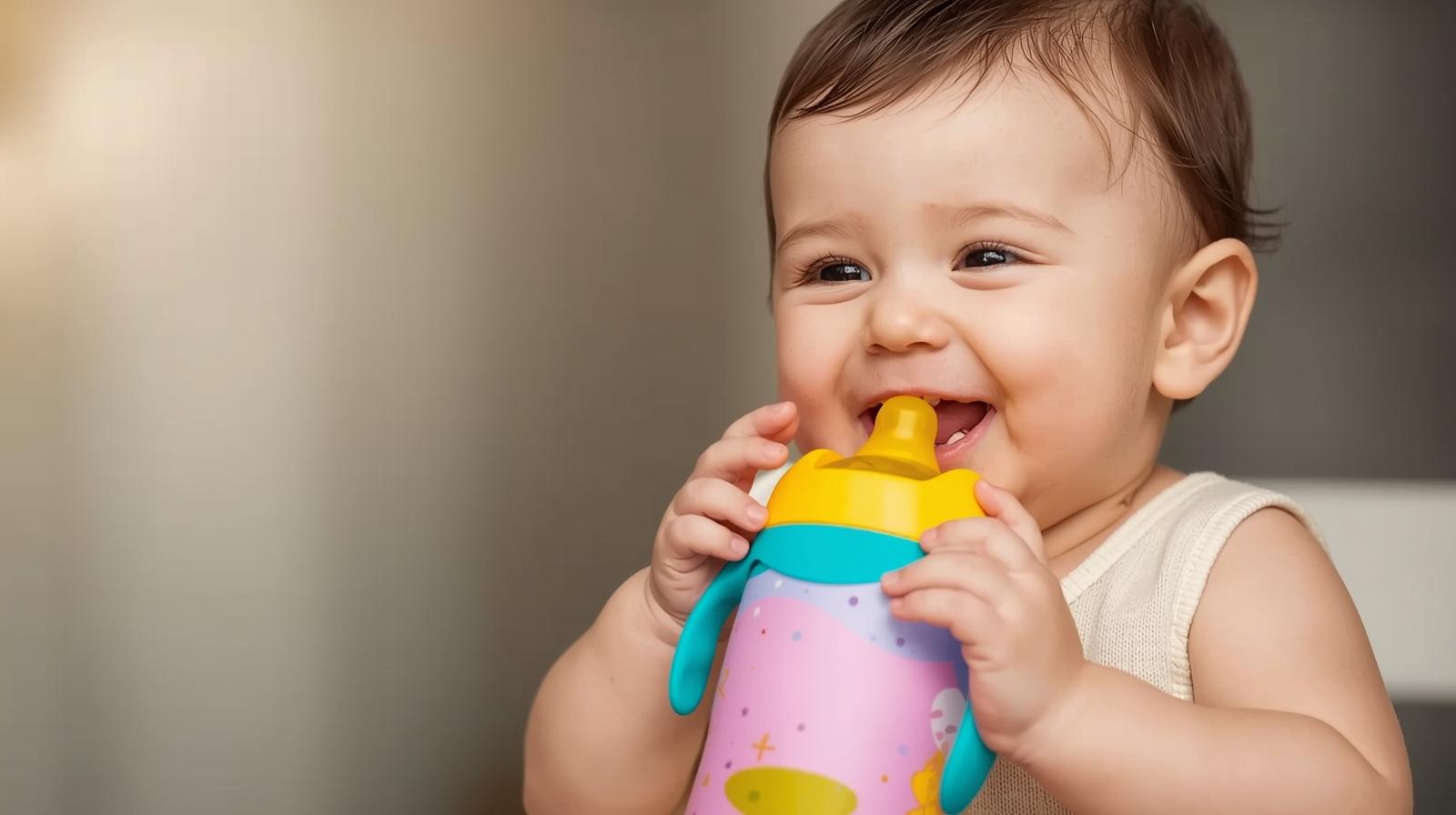
You just wiped the kitchen floor, and suddenly, there is milk everywhere again. Toddler spills drive moms crazy because we already have so much to clean every day. Finding the best no spill sippy cup feels like searching for a parenting miracle.
Welcome to Mom Kid Friendly, where we share what actually works for real families. We know you are tired of sticky floors, ruined car seats, and stained rugs. Let us help you find the best no spill sippy cup that finally keeps the juice inside.
Ready to stop the daily spills and save your sanity? Join our Mom Kid Friendly community below and share your biggest toddler feeding struggles!
The Real Struggle with Leaking Cups
Kids love to throw, drop, and shake their cups during mealtime. A cup that leaks adds another chore to your already busy mom schedule. Constant cleanup takes away precious energy that you need for the rest of your day.
You buy a cup that promises no leaks, but it fails within a week. The milk drips out of the spout and gets trapped in the lid threads. Soon, you have a sticky mess and a very frustrated toddler crying for more water.
Why Regular Sippy Cups Still Spill
Many standard toddler cups have simple lids without proper pressure valves inside. When your child drops the cup, the liquid shoots straight out of the top. Even a slight tilt can cause a steady drip onto your clean carpet.
Regular cups also wear out fast when kids chew on the plastic spouts. Once the spout shape changes, the seal breaks and the leaking begins immediately. That means you end up buying replacements constantly, which hurts your family budget.
What Makes the Best No Spill Sippy Cup Actually Work
A true leak-proof cup uses a special valve system to control the liquid flow. The water only comes out when your toddler actively sucks on the spout. If the cup falls off the highchair, the valve snaps shut right away.
The best options also have tight-sealing lids that lock firmly into place. They use silicone rings to block moisture from escaping the sides. This smart design is exactly what saves your diaper bag from a soaked disaster.
Must Read: Top Rated Transition Sippy Cups for Toddlers
Key Features to Look For
Before you buy another cup, always check the packaging for a few specific details. Look for fewer parts to wash, because complex valves easily trap hidden mold. You want a design that is easy to assemble when you are half asleep.
Durability is another huge factor for toddlers who love to throw things. The cup should withstand falling onto hard tile floors without cracking or popping open. Handles are great for tiny hands, but make sure they attach securely to the base.
Types of Sippy Cups Moms Can Choose From
The cup aisle at the store is completely overwhelming for a busy mom. You will see spout cups, straw cups, and those popular 360-degree edge cups. Each style serves a slightly different purpose depending on your child’s exact age.
Hard Spout vs Soft Spout vs Straw
Soft silicone spouts feel familiar to babies transitioning straight from a warm bottle. They are gentle on teething gums but can wear out if your child bites heavily. Hard plastic spouts survive biting much better, though they lack that comforting soft texture.
Straw cups are highly recommended by pediatric dentists for proper oral development. They strengthen mouth muscles and keep liquid away from the front teeth. However, straw cups often require a bit more effort to clean thoroughly.
Leak-Proof vs Spill-Resistant
You might see both of these terms on different toddler cup packages. Leak-proof means the cup should not leak at all, even if held completely upside down. It relies on a strong inner valve to block the liquid from escaping.
Spill-resistant cups simply slow down the mess if the cup tips over. They might leak a few drops when dropped, but they prevent a massive puddle. For tossing into a diaper bag, you definitely want something fully leak-proof.
Best Materials for Safety and Durability
Plastic cups are lightweight, cheap, and very easy to find at any grocery store. Always double-check that the plastic is BPA-free for your child’s safety. However, plastic can absorb smells over time, leaving your water smelling like old apple juice.
Stainless steel cups cost a bit more, but they last for years. They keep drinks perfectly cold during hot summer playground trips. Silicone cups are another great non-toxic option that feels soft and resists breaking perfectly.
Must Read: Best sippy cups to transition from bottle moms actually trust
Common Mistakes Moms Make
Many moms buy cups with too many tiny parts to clean every night. You will end up losing a crucial valve piece in the garbage disposal. Without that specific piece, the cup becomes totally useless and leaks everywhere.
Another mistake is introducing a hard spout cup far too early in the game. Babies might get frustrated and refuse to drink water entirely. Always match the cup style to your child’s current developmental stage.
Budget-Friendly vs Premium Options
You do not need to spend a fortune to get a great toddler cup. Many affordable grocery store brands offer excellent valve technology that truly prevents messy spills. These budget cups are perfect for leaving at daycare or Grandma’s house.
Premium stainless steel cups are an investment that pays off over time. They survive endless drops and can even convert to a regular water bottle later. Think about your daily routine to decide which investment makes sense for your family.
Tips for Choosing the Right Cup
Start by watching how your child naturally likes to drink their liquids. If they tilt their head far back, a spout cup works beautifully. If they like to look straight ahead, a weighted straw cup is your best bet.
Always consider your own patience level for washing dishes at night. If you hate cleaning tiny straws, stick to a simple 360-degree edge cup. The best no spill sippy cup is the one you actually do not mind washing.
When to Transition from Bottle to Sippy Cup
Most pediatricians suggest introducing a cup around six to nine months of age. You can start with a soft spout or a beginner straw cup during mealtimes. The goal is simply to let them practice holding it and taking tiny sips.
By their first birthday, try to completely phase out the baby bottles. This protects their teeth from decay and encourages proper tongue placement for speech. Take it slow, and offer lots of praise when they use their new big kid cup.
Real-Life Scenarios
Travel and Road Trips
Car rides require a cup that simply will not leak on the car seat. Choose a stainless steel option with a flip-top lid to keep the spout clean. This keeps the water cold and prevents sticky disasters on the highway.
Bedtime and Night Wakings
If your toddler needs water at night, look for a cup that glows in the dark. Make sure it has a soft spout so they do not bump their teeth in bed. A leak-proof valve is mandatory here to keep their mattress totally dry.
Daycare and Outings
Daycare teachers love cups that are clearly labeled and easy for kids to open. Send a sturdy plastic straw cup that survives the playground sandbox. Fewer parts mean the teachers can easily refill it without losing any pieces.
Easy Cleaning Tips Every Busy Mom Needs
Always rinse your cups with warm water immediately after your child finishes drinking. Milk left inside a cup for hours will quickly develop a terrible sour smell. Taking five seconds to rinse it out saves you a massive scrubbing headache later.
Invest in a set of tiny wire cleaning brushes for the valves and straws. Soak the silicone parts in warm soapy water once a week for a deep clean. This simple routine prevents hidden mold and keeps your child perfectly healthy.
Enjoying a Mess-Free Mom Life
Parenting never ends, but it certainly becomes easier with the right gear. You do not need a perfect house, you just need tools that reduce your daily stress. Finding the right cup means one less puddle to wipe up today.
You are doing a fantastic job navigating this wild toddler stage. Trust your instincts, pick a cup that fits your life, and enjoy the extra free time. We are always here cheering you on through every spilled drink and joyful moment.
Did this guide help you finally pick the right cup? Leave a comment below with your favorite mom hack for cleaning up toddler messes, and let’s support each other!
Must Read: Best Sippy Cup for Baby: A Stress-Free Guide for Moms
Frequently asked questions
What is the best no spill sippy cup for toddlers?
The best no spill sippy cup uses a strong valve system that only releases liquid when your child drinks. It should stay leak-free even when dropped or shaken.
At what age should I introduce a sippy cup?
Most parents start between 6 to 9 months. Begin with a soft spout or straw cup during meals.
Are straw cups better than spout cups?
Straw cups help with oral development and are dentist-recommended. Spout cups feel easier for babies transitioning from bottles.
Why do “no spill” cups still leak sometimes?
Leaks often happen when valves wear out or parts are not assembled correctly. Chewing on spouts can also break the seal.
How do I clean a no spill sippy cup properly?
Rinse right after use and clean valves with a small brush. Do a deep clean weekly to prevent mold.
Are plastic sippy cups safe for kids?
Yes, if they are BPA-free. Always check labels before buying.
What is the easiest sippy cup to clean?
Cups with fewer parts and simple designs are easiest to clean. Avoid complex valve systems if you want quick washing.
Can I use a sippy cup at night?
Yes, but choose a fully leak-proof cup with a soft spout. This keeps the bed dry and safe.
Author

