
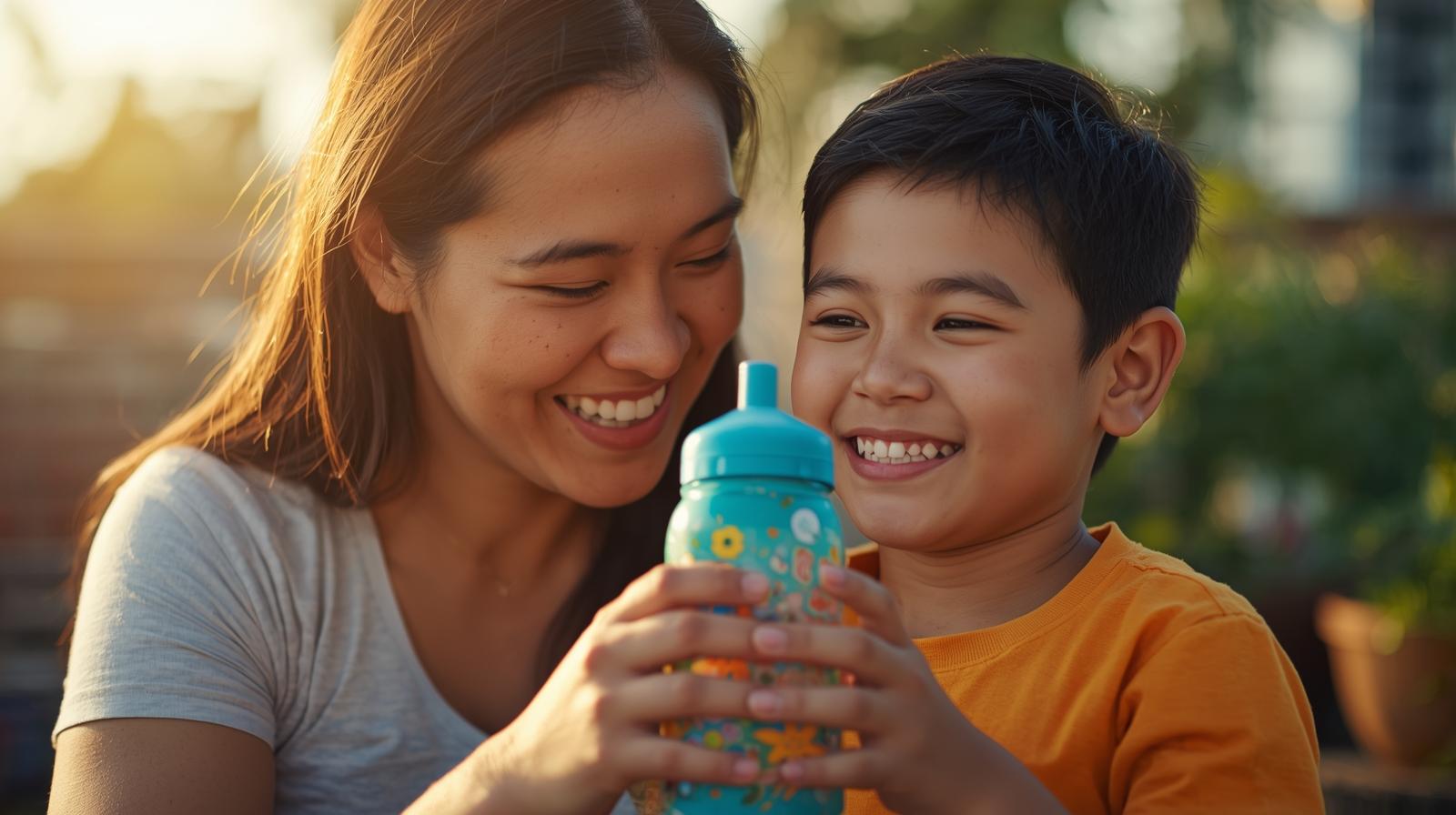
You know that dreaded cupboard in your kitchen, right? The one filled with mismatched lids, straws with no partners, and bottles that leak the moment they turn sideways. We have all spent too much money on cups that promised to be spill-proof only to ruin a diaper bag while we kept hunting for the best kids water bottle.
Finding the best kids water bottle feels like searching for a unicorn. You want something that keeps water cold, does not leak, and is easy enough for tiny hands to open. It sounds simple, but every mom knows the struggle is real.
Here at Mom Kid Friendly, we understand that you don’t have time to test twenty different brands. We want to save you the cleanup time and the frustration of wet car seats. This guide breaks down exactly what to look for so you never have to buy a dud again.
Ready to simplify your life? Join our Mom Kid Friendly newsletter for weekly tips that make parenting just a little bit easier.
Why buying a kids water bottle feels more stressful than it should
It seems like such a small purchase. You walk into the store, see a cute dinosaur design, and toss it in the cart. But then you get home, and the problems start immediately.
The lid is too tight for your toddler to twist. The straw has five tiny parts that are impossible to clean. Or worse, it cracks after one drop on the playground blacktop.
Decision fatigue is a real thing for parents. We have to make hundreds of choices a day, from what to pack for lunch to how to handle a tantrum. Analyzing the engineering of a sippy cup feels like one task too many.
Marketing makes it harder, too. Every label claims to be the “best” and “leak-proof.” When those claims fail, it feels like we failed at picking the right tool for our kids.
The real problems moms face with kids water bottles
The biggest enemy of any mom is the slow leak. You throw a bottle in your purse, trusting it completely. You open your bag later to find your wallet and phone swimming in lukewarm water.
Then there is the mold issue. Some bottles have nooks and crannies where moisture hides. If you can’t take every piece apart, black gunk starts to grow where the water flows.
Another huge problem is durability. Kids are rough on their belongings. They drop things, throw things, and use bottles as makeshift hammers.
If a bottle dents easily or the latch snaps off, it becomes useless trash. Replacing bottles every month gets expensive fast. We need gear that survives the chaos of real life.
Finally, there is the issue of “missing parts.” Straws disappear into the dishwasher void. Valves pop out at the park and are never seen again.
Must Read: How to Choose the Perfect Bath Toy for Easy Splash Time
What makes a water bottle kid-friendly in real life
A truly kid-friendly bottle is one your child can use independently. If they have to ask you to open it every time they are thirsty, it’s not the right bottle. It needs a button they can push or a spout they can flip easily.
Weight matters more than you might think. A heavy steel bottle might be durable, but if it drags down a kindergartner’s backpack, they will hate carrying it. It needs to be light enough to haul around all day.
The texture needs to provide a good grip. Smooth metal can be slippery in small, sweaty hands. Silicone sleeves or textured plastic help kids hold on tight.
It also needs to fit in standard spaces. It should slide into the side pocket of a backpack. It definitely needs to fit in the car seat cup holder.
Materials explained in plain English
Stainless Steel
Stainless steel is the gold standard for durability. It doesn’t crack if it hits the sidewalk. It is also generally safer because it doesn’t leach chemicals.
Insulated stainless steel keeps water ice-cold for hours. This is a lifesaver during hot summer camps or long school days. The downside is that these bottles can be heavy and expensive.
Plastic
Plastic bottles are lightweight and usually cheaper. They come in tons of fun colors and character designs. They are easy for toddlers to lift and carry.
However, plastic can absorb smells and tastes over time. If you leave juice in there too long, that bottle might be ruined forever. You also have to ensure it is BPA-free for safety.
Glass
Glass is great for purity of taste and cleaning. It never holds onto odors and is usually dishwasher safe. But for kids, glass is a risky move.
Even with a silicone sleeve, glass can shatter. It is heavy and dangerous if broken at school or the park. We generally recommend saving glass for older teens or home use only.
Silicone
Silicone is soft, squishy, and unbreakable. It is lightweight and nice for tactile sensory seekers. It is virtually indestructible when dropped.
The problem with silicone is that it can be floppy. It can also be hard to get a secure seal on the lid if the bottle squeezes too much. It sometimes picks up soap smells from the dishwasher.
Choosing the right size for toddlers, preschoolers, and school kids
Toddlers (Ages 1-3)
Little ones need small, manageable cups. A 10 to 12-ounce bottle is usually perfect. It holds enough water for a park trip but isn’t too heavy to lift.
If the bottle is too big, they will struggle to tip it back. This leads to spills and frustration. Keep it small and refill often.
Preschoolers (Ages 3-5)
Preschoolers are more active and thirsty. They can handle a 12 to 14-ounce bottle. This size usually gets them through a half-day program without needing a refill.
They are also starting to assert independence. They want to carry their own gear. A medium size fits well in their smaller backpacks.
School-Aged Kids (Ages 6+)
Once kids hit elementary school, hydration needs go up. They have recess, gym class, and long days away from home. A 16 to 20-ounce bottle is the sweet spot.
Anything smaller will leave them thirsty by lunch. Anything larger might not fit in their desk or cubby. This size balance is key for school success.
Must Read: Best Bean Bag Chairs for Kids Comfort & Fun
Lid styles that don’t leak in backpacks
The straw lid is a favorite for many moms. It keeps the bottle upright, so spills are less likely. Most quality brands have a valve that stops leaks even if the straw is open.
However, straw lids have moving parts. If the flip mechanism breaks, the bottle leaks. You also have to clean the inside of the straw religiously.
Spout lids (or “chug” caps) are great for faster flow. They are easier to clean than straws. But if the cap isn’t screwed on tight, it’s disaster time.
Open cups with screw tops are only for older kids. If they knock it over, water goes everywhere. We prefer lids that require a button press to open for maximum safety.
Auto-seal technology is a game-changer. These lids seal automatically the moment your child stops drinking. It virtually eliminates the “I forgot to close it” accidental spill.
Easy cleaning tips busy moms care about
Let’s be honest: if it isn’t dishwasher safe, we don’t want it. Hand-washing tiny parts every night is a chore we don’t need. Look for bottles labeled “top rack dishwasher safe.”
Invest in a good set of straw brushes. The dishwasher water doesn’t always reach inside the straw. A quick scrub once a week prevents mold buildup.
Take the rubber gaskets off regularly. This is where the gross stuff hides. Use a butter knife to gently pop the ring out and wash underneath it.
Soak lids in vinegar and warm water if they start to smell funky. This kills bacteria and removes odors naturally. It’s a safe, chemical-free way to deep clean.
Avoid bottles with complex internal mechanisms. If you can’t see inside the valve, you can’t clean it. Simple is always better for hygiene.
Best kids water bottle for school days
For school, durability is the top priority. The bottle will be dropped, kicked, and tossed on the playground. Stainless steel is usually the best choice here.
Insulation is also important for school. Classrooms can get warm, and warm water isn’t refreshing. An insulated bottle ensures their drink stays cool until the final bell rings.
Look for a bottle with a protective boot. This is a rubber ring on the bottom that prevents dents. It also stops that loud “clang” sound when they set it on their metal desk.
Leak-proof assurance is non-negotiable for school bags. One leak can ruin homework and library books. Test the bottle at home before sending it to school.
Personalization helps prevent lost property. Choose a bottle that has space for a name label. Or pick a unique color that stands out in the lost-and-found bin.
Best kids water bottle for toddlers and daycare
Daycare bottles need to be simple and labeled clearly. Teachers have a lot of kids to manage. They appreciate bottles that don’t leak when tipped over.
Straw cups are usually best for speech development. They help strengthen mouth muscles better than hard spouts. Plus, toddlers tend to drink more water through a straw.
Look for handles or a loop. Toddlers love carrying things around like a prize. A handle makes it easy for them to tote their drink from the playroom to the table.
Soft silicone spouts are gentle on teething gums. Hard plastic can hurt if they trip while drinking. Safety is key for this wobbly age group.
Avoid bottles that look like toys. If it has too many bells and whistles, it becomes a distraction. You want them to drink, not play with the lid mechanism.
Best kids water bottle for travel and outings
When you are on the go, capacity matters. You might not be near a refill station. A slightly larger bottle helps for zoo trips or long car rides.
Insulation is crucial if the bottle stays in a hot car. There is nothing worse than drinking hot water on a summer day. A good bottle keeps ice frozen even in a warm vehicle.
Look for a carabiner loop on the lid. This lets you clip the bottle to your stroller or diaper bag. It frees up your hands for holding little ones.
A covered spout is essential for travel. You don’t want the mouthpiece touching grocery carts or park benches. A flip-top cover keeps the drinking surface clean.
Durability is also key for outings. It might get dropped on concrete or gravel. A powder-coated finish resists scratches and keeps the bottle looking new.
How to get kids to actually drink water from their bottle
Sometimes the battle isn’t the bottle, but the water itself. Kids find water “boring” compared to juice. But the right bottle can change their mindset.
Let them pick it out. If they love the color or the character, they will want to use it. Ownership makes a big difference in their enthusiasm.
Add stickers! A plain bottle is a blank canvas. Let them cover it in waterproof stickers of their favorite things.
Use fun ice cubes. You can buy silicone trays in shapes like stars or dinosaurs. Watching the shapes melt makes drinking water a game.
Monkey see, monkey do. If you carry a water bottle, they will want one too. Make hydration a family habit that you do together.
Keep it accessible. Don’t hide the bottle in the fridge. Leave it on the coffee table where they can grab it while playing.
Common mistakes parents make when buying water bottles
Buying strictly for looks is the most common error. That trendy bottle might look great on Instagram. But if it leaks, it’s useless to you.
Ignoring the “hand wash only” label is a mistake. Putting a non-dishwasher bottle in the machine can warp the seal. Then you have a leaky bottle and wasted money.
Buying too many different types is a nightmare. Try to stick to one brand or system. That way, all the lids and straws are interchangeable.
Overlooking the replacement parts availability. Kids chew on spouts and lose straws. If you can’t buy just the straw, you have to buy a whole new bottle.
Forgetting to check the flow rate. Some spill-proof valves are so tight that it is hard to get water out. Test it yourself; if you turn blue sucking on it, your kid will struggle too.
How to choose the best kids water bottle for your child and daily routine
The search for the best kids water bottle ultimately comes down to your specific lifestyle. Are you an outdoor hiking family? Go with durable, insulated steel.
Are you mostly at home or doing short errands? A lightweight plastic bottle might be perfectly fine. It saves money and is easier on your shoulders.
Consider your child’s personality. Do they chew on everything? Avoid soft silicone spouts. Are they prone to losing things? Don’t buy the most expensive brand.
Think about your own capacity for washing dishes. If you hate hand washing, prioritize dishwasher-safe designs. Your sanity is part of the equation too.
Remember that needs change as they grow. The bottle that worked for your two-year-old won’t work for your seven-year-old. Be ready to upgrade when the time comes.
At Mom Kid Friendly, we know that these small choices add up. When you find a product that just works, it clears a little mental space. And as moms, we need all the mental space we can get.
We hope this guide helps you navigate the crowded aisle of cups. Finding a leak-proof, easy-to-clean solution is a small victory worth celebrating. Here’s to dry backpacks and hydrated kids!
Have a favorite bottle we didn’t mention? Tell us your hydration hacks in the comments below!
Must Read: Why a Child’s 3D Printer Is Becoming a Favorite Learning Tool at Home
Frequently Asked Questions
What is the best kids water bottle that doesn’t leak?
The best kids water bottle has a secure lid, a strong seal, and a simple design with fewer moving parts.
Are stainless steel water bottles safe for kids?
Yes, stainless steel bottles are safe, durable, and do not absorb smells or flavours.
What size water bottle is best for kids?
Toddlers do best with 10–12 oz, preschoolers with 12–14 oz, and school kids with 16–20 oz.
Are straw water bottles good for kids?
Yes, straw bottles help kids drink more water and support oral muscle development.
How often should kids water bottles be cleaned?
Daily rinsing is ideal, with a deep clean every few days to prevent mould and odours.
Can kids water bottles go in the dishwasher?
Many can, but always check the label and place parts on the top rack only.
When should I replace my child’s water bottle?
Replace it if it leaks, smells, cracks, or has damaged seals or straws.
Author

