
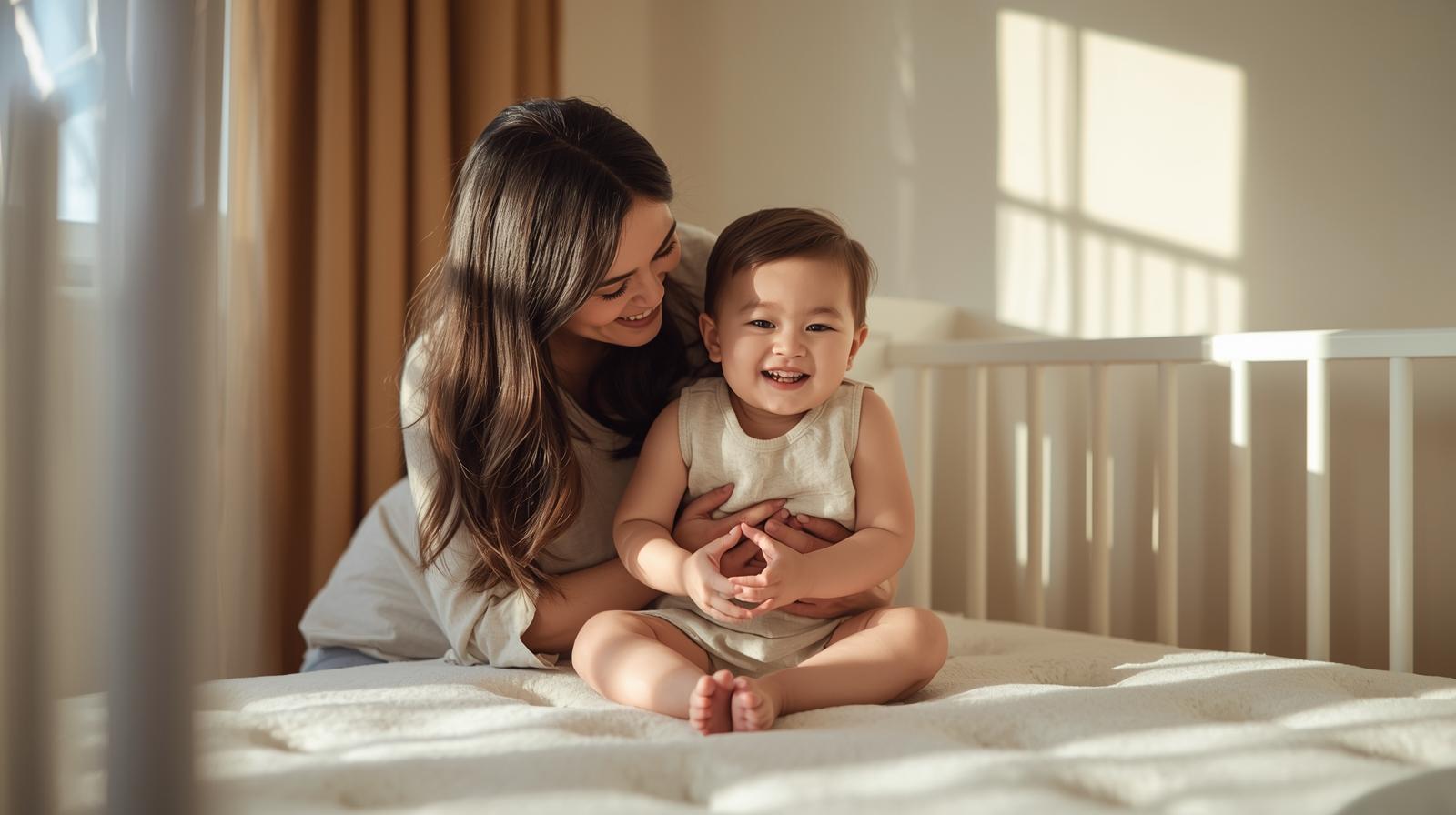
You finally picked out the crib, washed the tiny sheets, and arranged the nursery. Then someone asks what mattress you’re getting, and you freeze because choosing the best crib mattress suddenly feels overwhelming. Foam or innerspring, organic or waterproof, firm enough but not too firm, and now finding the best crib mattress feels harder than naming your baby.
You’re not overthinking it. A safe crib mattress matters for sleep, breathing, and your own peace of mind when choosing the best crib mattress. Most moms walk into a store or scroll online and get hit with dozens of options that all look the same, but understanding what makes the best crib mattress safe makes the decision a whole lot easier.
Ready to find the best crib mattress without the confusion? Keep reading, and drop your questions in the comments so Mom Kid Friendly can help you out.
Why Choosing the Best Crib Mattress Feels So Overwhelming
Moms worry about safety first. You want your baby to breathe well, sleep soundly, and wake up happy. That’s why crib mattress shopping can feel heavy with pressure.
Stores display rows of mattresses with confusing labels. One says breathable, another says certified organic, and a third promises dual firmness. You start reading reviews online and see debates about foam density, coil count, and off-gassing.
Most moms get stuck because they assume softer means safer. Actually, the opposite is true. Firmness protects newborns from suffocation risks. Once you know that one fact, half the confusion disappears.
What Actually Makes the Best Crib Mattress Safe
Safety comes down to a few simple features. You don’t need a PhD in baby gear to understand them. Let’s break it down.
Firmness and Why Soft Is Not Safer
A firm crib mattress keeps your baby’s face from sinking in. Soft surfaces increase the risk of suffocation, especially for infants who can’t yet roll or lift their heads. Press down on the mattress with your hand. It should bounce back quickly without leaving a dent.
Pediatricians recommend firmness for the first year. Once your baby becomes a toddler, some mattresses flip to a softer side. That dual design can grow with your child and save you money later.
Breathability and Airflow Basics
Breathable mattresses allow air to flow through the surface. This feature helps regulate temperature and reduces the chance of your baby rebreathing carbon dioxide. Look for materials like open-cell foam or innerspring designs with ventilation holes.
Some brands advertise 3D mesh covers or air channels. Those features can help, but firmness still comes first. A firm, breathable mattress beats a soft one with fancy airflow claims.
Non-Toxic Materials and Certifications to Look For
Babies spend over half their day on a crib mattress. You want materials that won’t release harmful chemicals. Certifications like Greenguard Gold, CertiPUR-US, and OEKO-TEX show that the mattress meets safety standards for low emissions.
Organic mattresses use materials like organic cotton, wool, or natural latex. These options skip synthetic foams and flame retardants. They cost more but give peace of mind if you prefer natural products.
Waterproof Covers and Hygiene
Babies leak. Spit-up, diaper blowouts, and milk spills happen constantly. A waterproof cover protects the mattress from stains, odors, and mold growth.
Some mattresses come with a built-in waterproof layer. Others require a separate waterproof protector. Either way, make sure you can wipe it clean or toss the cover in the washing machine.
Must Read: How To Choose A Good Crib Mattress Safely
Crib Mattress Types Explained in Simple Terms
You’ll see four main types of crib mattresses. Each one has pros and cons. Let’s walk through them.
Foam Crib Mattresses
Foam mattresses are lightweight and affordable. They’re easier to lift during sheet changes, which matters when you’re changing bedding in the middle of the night. High-density foam holds its shape better than cheap foam.
Check the weight. A quality foam mattress usually weighs between 7 and 12 pounds. Anything lighter may not offer enough support. Look for foam certified by CertiPUR-US to avoid harmful chemicals.
Innerspring Crib Mattresses
Innerspring mattresses use steel coils for support. They tend to last longer and feel firmer than foam. More coils usually mean better support, but 150 coils is plenty for a crib mattress.
These mattresses weigh more than foam, usually between 15 and 25 pounds. That extra weight can make sheet changes harder. But many moms prefer the durability and traditional feel.
Dual-Sided (Infant and Toddler) Options
Dual-sided mattresses offer a firm side for infants and a softer side for toddlers. You flip the mattress once your baby hits the toddler stage, usually around 12 to 18 months. This option saves money because you won’t need to buy a second mattress later.
Look for clear labeling on each side. Some brands mark the infant side with a tag or different cover color. That small detail prevents confusion when you’re exhausted and just want to set up the crib.
Organic and Natural Mattresses
Organic mattresses use materials like organic cotton, natural latex, and wool. They skip synthetic foams, chemical flame retardants, and polyester covers. These mattresses appeal to moms who want to avoid unnecessary chemicals.
They cost more, sometimes double or triple the price of standard foam. If budget allows and you prioritize natural materials, they’re worth considering. Just make sure they still meet firmness and safety standards.
Must Read: Why Moms Are Considering a West Elm Crib
How to Pick the Right Size and Fit
A crib mattress that doesn’t fit properly creates dangerous gaps. Babies can get stuck between the mattress and crib slats. Let’s make sure that doesn’t happen.
Standard Crib Mattress Dimensions
Most crib mattresses measure 52 inches long by 28 inches wide. Thickness ranges from 5 to 6 inches. Standard cribs in the USA follow these measurements, but always double-check your crib’s manual.
Mini cribs use smaller mattresses, usually around 38 inches by 24 inches. Portable cribs and play yards often need custom-sized mattresses. Never try to force a mattress that doesn’t fit.
How to Test for a Snug Fit
Place the mattress inside the crib. Try sliding two fingers between the mattress edge and the crib frame. If you can fit more than two fingers, the gap is too big.
A snug fit means the mattress touches all four sides with minimal space. You shouldn’t be able to push the mattress more than an inch away from any side. If you can, return it and find the right size.
Why Gaps Can Be Dangerous
Gaps create entrapment risks. A baby can roll into the space and get their head or body stuck. This situation can lead to suffocation or injury.
The Consumer Product Safety Commission (CPSC) sets strict rules about crib safety. A properly fitted mattress meets those rules and keeps your baby secure. Don’t skip this step.
Features Busy Moms Actually Appreciate
Beyond safety, certain features make daily life easier. You’ll thank yourself for choosing a mattress that simplifies your routine.
Lightweight for Sheet Changes
You’ll change crib sheets multiple times a week. A heavy mattress makes that task harder. Foam mattresses weigh less and lift easily with one hand.
Innerspring mattresses offer durability but require more effort. If you’ve had a C-section or deal with back pain, a lighter mattress can make a real difference.
Easy-to-Clean Surfaces
Messes happen fast. A wipeable cover saves time and protects the mattress. Look for covers made from vinyl, polyethylene, or medical-grade waterproof fabric.
Some covers unzip and go in the washing machine. That feature helps when you need a deep clean. Make sure the cover dries quickly so you’re not stuck without a mattress overnight.
Removable and Washable Covers
Removable covers let you clean the mattress without buying extra protectors. Zippers make removal easy. Choose covers that can handle regular washing without shrinking or cracking.
Check the care instructions before buying. Some covers need air drying, which takes longer. Others can go in the dryer on low heat.
Durability for Future Siblings
A quality crib mattress lasts through multiple kids. Innerspring mattresses tend to hold up better over time. Foam mattresses may lose firmness after a few years.
If you plan to have more children, invest in a mattress that won’t sag or develop lumps. A dual-sided option also extends the mattress’s lifespan by serving both infant and toddler needs.
Common Mistakes Parents Make
Even careful moms make mistakes when picking a crib mattress. Let’s help you avoid the most common ones.
Choosing Based on Softness
Soft mattresses feel cozy to adults, but babies need firm support. Many first-time parents assume their baby will sleep better on a softer surface. That’s not true and can be dangerous.
Always choose firmness over softness for infants. Your baby won’t complain, and you’ll sleep better knowing they’re safe.
Ignoring Weight Limits
Some mattresses list weight limits for the infant and toddler sides. Exceeding those limits can reduce support and create safety issues. Check the manufacturer’s guidelines and follow them.
Most babies stay well under the limits, but toddlers grow fast. Make sure the mattress can handle your child’s weight through age three or beyond.
Skipping Waterproof Protection
Even if the mattress has a waterproof layer, you might need an extra protector. Accidents can seep through seams or zippers. A fitted waterproof sheet adds a second layer of defense.
This step saves the mattress from permanent damage. It also keeps odors and bacteria from building up over time.
Buying Without Checking Crib Compatibility
Not all cribs fit standard mattress sizes. Some convertible cribs or older models have slightly different dimensions. Measure your crib before ordering a mattress.
Return policies matter here. Make sure you can return or exchange the mattress if it doesn’t fit. Save your receipt and keep the original packaging until you’ve tested the fit.
Budget Guide: What You Really Need to Spend
Crib mattresses range from $50 to $500. You don’t need the most expensive option to get a safe mattress. Let’s break down what you get at each price point.
Affordable but Safe Options
Budget mattresses between $50 and $100 can still meet safety standards. Look for CertiPUR-US certified foam or basic innerspring designs. These mattresses may lack extra features like dual firmness or organic materials.
They work well if you’re on a tight budget or need a mattress for occasional use. Just make sure they’re firm, fit properly, and have a waterproof cover.
Mid-Range Mattresses with Added Features
Mattresses in the $100 to $200 range often include dual-sided designs, better waterproofing, and higher-quality foam or coils. You’ll find more trusted brands at this price point.
These mattresses balance cost and quality. They last longer and often come with better warranties. Most moms find this range offers the best value for everyday use.
When It Makes Sense to Invest More
Premium mattresses over $200 typically use organic materials, advanced breathability features, and superior construction. If you prioritize natural products or plan to use the mattress for multiple children, the investment makes sense.
Organic certifications and eco-friendly materials drive up the price. These mattresses appeal to moms who want to minimize chemical exposure. Just remember that expensive doesn’t always mean safer if the basics aren’t covered.
Mom-Approved Tips for Better Baby Sleep
The best crib mattress sets the foundation for safe sleep. A few simple habits make everything work better.
Pairing the Best Crib Mattress with Fitted Sheets
Use fitted crib sheets that snap or wrap tightly around the mattress. Loose sheets create suffocation risks. Choose sheets made from breathable cotton or bamboo.
Keep a few extra sets on hand for middle-of-the-night changes. Wash sheets in hot water to kill bacteria and dust mites. Simple habits like these protect your baby’s health.
Safe Sleep Setup Basics
Place your baby on their back to sleep. Keep the crib clear of blankets, pillows, bumpers, and toys. The mattress and a fitted sheet are all you need.
Room-sharing without bed-sharing is safest for the first six months. A firm, flat sleep surface reduces the risk of Sudden Infant Death Syndrome (SIDS). Follow these guidelines every time your baby sleeps.
Simple Bedtime Routine Ideas
A calm bedtime routine helps babies fall asleep faster. Try a warm bath, a gentle massage, and a quiet feeding. Dim the lights and keep noise low.
Place your baby in the crib while they’re drowsy but still awake. This practice helps them learn to self-soothe. Over time, bedtime becomes easier for everyone.
Must Read:
Final Checklist Before You Buy the Best Crib Mattress
You’ve learned what makes a safe, practical crib mattress. Before you click “buy,” run through this quick checklist.
Safety standards confirmed: Look for certifications like Greenguard Gold, CertiPUR-US, or OEKO-TEX. These labels prove the mattress meets safety guidelines for low emissions and non-toxic materials.
Proper fit checked: Measure your crib and compare it to the mattress dimensions. Test the fit using the two-finger rule. No gaps means your baby stays safe.
Easy cleaning considered: Choose a mattress with a waterproof cover or buy a separate protector. Make sure you can wipe it clean or wash the cover. This step saves you time and money.
Long-term use planned: Decide if you want a dual-sided mattress that grows with your child. Think about future siblings and how long you’ll need the mattress. Durability matters for long-term value.
Confident choice in the best crib mattress: Trust your research and your instincts. You’ve done the work to understand what your baby needs. Now you can shop with confidence and bring home the best crib mattress for your family.
You’ve got this, mama. Your baby will sleep safely, and you’ll rest easier knowing you made the right choice. Drop a comment below and let Mom Kid Friendly know which mattress you’re leaning toward or if you have any questions!
Frequently Asked Questions
What is the best crib mattress for newborns?
The best crib mattress for newborns is firm, fits snugly in the crib, and meets safety certifications like Greenguard Gold or CertiPUR-US.
How firm should the best crib mattress be?
The best crib mattress should feel very firm and bounce back quickly when pressed to reduce suffocation risk.
Is an organic best crib mattress worth it?
An organic best crib mattress offers natural materials and fewer chemicals, but firmness and safety certifications matter most.
How do I know if I picked the best crib mattress size?
The best crib mattress fits snugly with no more than two fingers between the mattress and crib frame.
Can I use the same best crib mattress for a toddler?
Yes, many parents choose a dual-sided best crib mattress with a firm infant side and a softer toddler side.
Author

