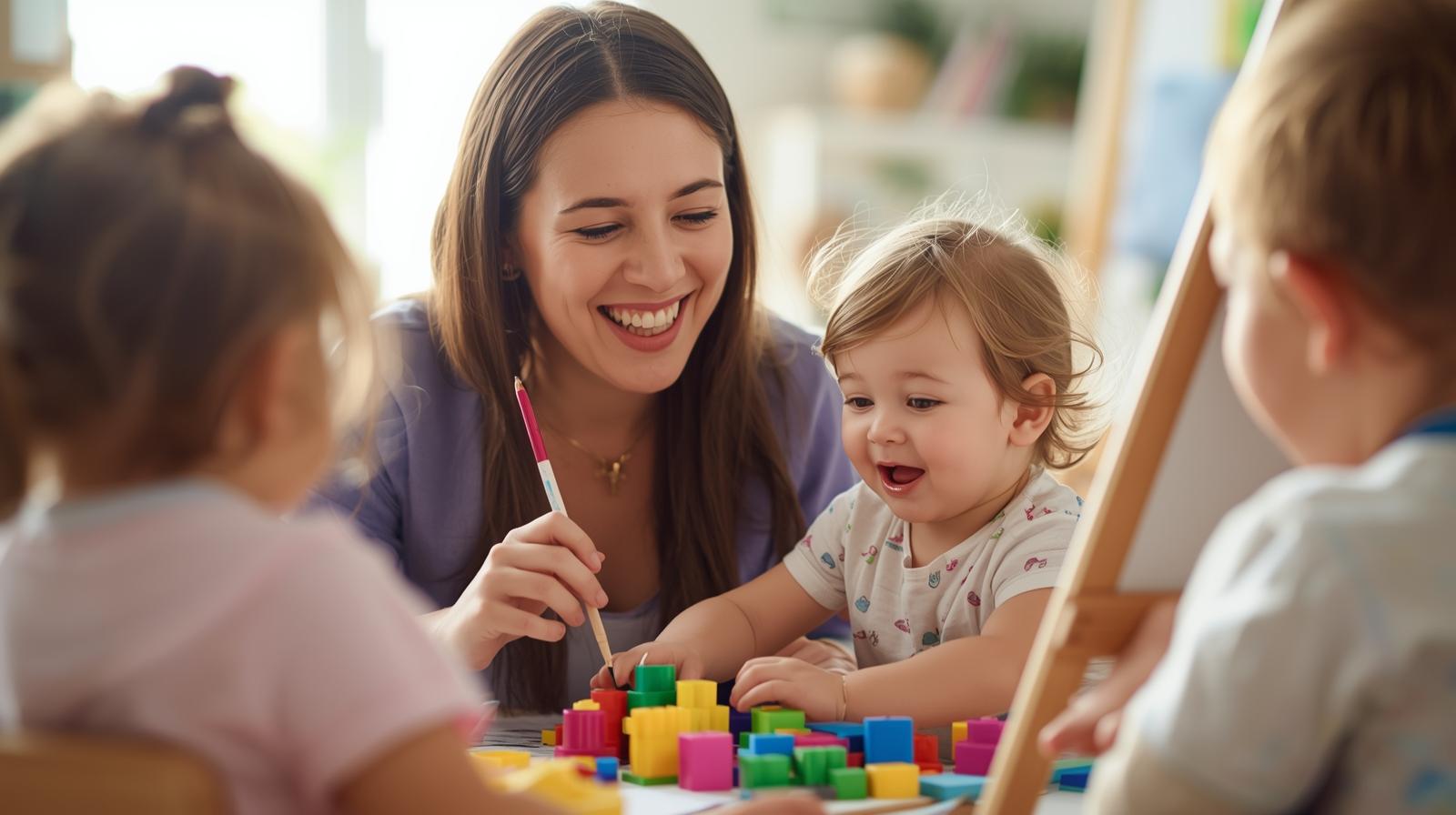
Hosting a playdate or managing a few energetic kids can feel overwhelming fast with small group activities for preschoolers in mind. You want them to have fun, but you also want to avoid total chaos in your living room. The secret is having a few structured ideas up your sleeve.
Small group activities for preschoolers are the perfect way to channel that energy. They help kids connect, learn, and play without tearing the house apart. Plus, they give you a chance to sip your coffee while they stay busy.
Whether you have siblings, cousins, or neighborhood friends over, these ideas will save your sanity. Here at Mom Kid Friendly, we believe parenting should be easier, not harder. Let’s dive into simple ways to make group play successful and fun.
Join our Mom Kid Friendly community for more stress-free parenting tips and activity ideas!
Why small group activities for preschoolers matter at this age
Preschoolers are at a magical stage where they are learning to notice other people. They are moving from playing near friends to playing with friends. Small group activities facilitate this important transition naturally.
These moments teach essential life skills like sharing and taking turns. Kids learn that they have to wait for the ball or pass the glue stick. It turns social lessons into fun games rather than lectures.
Group play also builds communication skills rapidly. They have to ask for what they need or explain their ideas to a peer. It is amazing to watch their vocabulary grow during cooperative play.
Additionally, working in a small group boosts emotional regulation. They learn to handle the excitement of winning or the disappointment of waiting. These low-stakes environments are perfect practice for big feelings.
Finally, it helps build confidence in shy children. A small group is less intimidating than a whole classroom full of kids. It allows them to find their voice in a safe space.
What counts as a small group for preschoolers
You don’t need a formal classroom to run small group activities. A small group can simply be your child and a sibling. It could be a playdate with two neighbor kids.
Usually, a “small group” for this age means two to six children. Any more than that, and it becomes a party that requires more adult hands. Keep the numbers manageable for your own stress levels.
Even cousins gathering for a holiday dinner count as a small group. You can use these moments to keep them occupied while adults cook. It turns a chaotic family gathering into organized fun.
Don’t overthink the definition or the setting. If you have more than one child in the room, you have a group. You are ready to try these Mom Kid Friendly approved activities.
Must Read: Physical Milestones for School Age: What to Expect as Your Kid Grows
How to set up small group activities at home without stress
Preparation is your best friend when dealing with preschoolers. You want to have everything ready before you call the kids over. Waiting for mom to find scissors is a recipe for lost attention spans.
First, choose a designated space that is safe for the activity. If you are doing something messy, head to the kitchen table or the backyard. If it is an active game, clear the living room rug.
Gather all your materials and place them in separate piles or baskets. This ensures every child gets what they need immediately. No fighting over the one blue marker is a good rule of thumb.
Keep the instructions incredibly short and simple. Preschoolers stop listening after about thirty seconds of explanation. Show them what to do rather than just telling them.
Finally, have an exit strategy or a transition plan. Know what you will do when the game ends or if they get bored. A quick snack is always a great transition tool.
Simple small group activities for preschoolers that build social skills
The Cooperative Sheet Game
Grab an old bed sheet or a play parachute if you have one. Have the children hold onto the edges of the sheet. Place a soft ball or balloon in the middle.
The goal is to work together to keep the ball from falling off. They have to lift and lower the sheet in sync. It requires them to watch each other and move as a team.
Pass the Parcel (Hot Potato Style)
Sit the children in a comfortable circle on the floor. Play some fun, upbeat music that they all enjoy. Hand one child a soft object or a ball to start.
When the music plays, they must pass the item to the friend next to them. When the music stops, the person holding the item does a silly action. They might clap their hands or make a funny face.
Buddy Building
Give a small group of kids a pile of blocks or LEGOs. Challenge them to build one tower together using all the pieces. The catch is that they have to take turns adding a block.
This forces them to communicate and negotiate where pieces go. It slows down the building process and encourages patience. You will hear them cheering each other on as the tower gets taller.
Mirror, Mirror
Have the children pair up with a partner. One child acts as the leader, and the other is the “mirror.” The leader makes slow movements, and the mirror must copy them exactly.
After a few minutes, let them switch roles. This game builds focus and empathy as they pay close attention to a friend. It is often filled with giggles and silly poses.
Small group activities for preschoolers that support early learning
Color Hunt Relay
Place baskets of different colors at one end of the room. Scatter colorful toys or blocks at the other end. Divide the kids into small teams or let them work together.
Yell out a color, and they have to run, find an item, and put it in the matching basket. This reinforces color recognition and sorting skills. It combines physical movement with cognitive learning.
Number Hop
Tape pieces of paper with large numbers written on them to the floor. Call out a number and have the children hop to it. You can make it harder by asking simple questions like “what comes after two?”
This helps with number recognition and counting. It is a high-energy way to practice math skills. Kids love stomping on the right answer.
Story Circle
Start a story with a simple sentence like, “Once there was a big green frog.” Go around the circle and let each child add one sentence. You might get a story about a frog who flies to the moon.
This activity boosts creativity and narrative skills. It teaches them to listen to what was said before. It also encourages them to use their imagination freely.
Shape Tape Art
Use painter’s tape to create shapes on the floor or a large piece of paper. Have the children trace the tape with their fingers or walk along the lines. You can ask them to stand inside the “triangle” or jump over the “square.”
This builds gross motor skills and shape recognition. It is a visual and physical way to learn geometry concepts. Plus, peeling the tape up afterwards is fun for everyone.
Must Read: What Toy Would a Preschooler Play With? Find Out Here!
Quiet small group activities for preschoolers for calm moments
Sensory Bins
Fill a large plastic bin with rice, dry pasta, or kinetic sand. Add scoops, cups, and small toys for them to find. Let two or three children explore the bin together.
Sensory play is incredibly calming for young nervous systems. The feeling of rice running through fingers is soothing. It allows for quiet, parallel play where they can chat softly.
Group Mural
Tape a large piece of butcher paper to the wall or floor. Give everyone crayons, markers, or stickers. Let them work on the same giant piece of art at the same time.
They can draw their own section or connect their drawings. It is a peaceful, collaborative art project. You end up with a beautiful poster to display.
Playdough Bakery
Set up a table with playdough and kitchen tools like rolling pins and cookie cutters. Ask them to “bake” cookies or cupcakes for a pretend party. They can decorate their creations with beads or buttons.
The act of squishing and rolling dough releases tension. It keeps their hands busy and their bodies seated. It is perfect for a rainy afternoon.
Puzzle Team
Choose a large floor puzzle with big, chunky pieces. Dump the pieces out and ask the group to solve it together. Encourage them to find the corners or edges first.
Puzzles require focus and problem-solving. working together makes a hard task feel manageable. It creates a wonderful sense of shared accomplishment when finished.
Active small group activities for preschoolers to burn energy
Indoor Obstacle Course
Use couch cushions, chairs, and blankets to create a course. Tell them to crawl under the table and jump over the pillow. Have them balance along a line of tape on the floor.
This burns massive amounts of energy on bad weather days. It helps develop gross motor coordination and balance. Kids will want to run through it again and again.
Freeze Dance
Play their favorite songs loud enough to dance to. Tell them to wiggle and shake as much as they can. When you pause the music, they have to freeze like statues.
This teaches impulse control and listening skills. It is guaranteed to result in laughter. It is one of the easiest small group activities for preschoolers to set up.
Balloon Tennis
Blow up a few balloons and grab some fly swatters or paper plates. Use the swatters as racquets to keep the balloon in the air. Challenge them to keep it off the floor for as long as possible.
This improves hand-eye coordination without breaking lamps. Balloons move slowly, making it easy for preschoolers to track. It is safe, active fun for indoors.
Animal Parade
Call out an animal and have the group move across the room like that creature. Ask them to stomp like elephants or hop like bunnies. You can also ask them to make the animal sounds.
This uses imagination and physical movement. It gets their whole bodies involved. It is a simple game that requires zero equipment.
Easy materials you already have for small group activities for preschoolers
Cardboard Boxes
Never throw away a good delivery box. Boxes can become cars, castles, or caves. Give the group some markers and let them decorate their new fort.
Kitchen Items
Plastic bowls, wooden spoons, and measuring cups are gold. They can be drums for a music band. They can be scoops for a water table.
Old Blankets and Sheets
These are essential for building forts. They work great for the parachute game mentioned earlier. They can be capes for a superhero squad.
Painter’s Tape
This is the ultimate tool for parents. Use it to make roads for cars. Use it to tape down artwork or create jumping lines.
Laundry Baskets
These are perfect for tossing games. Use rolled-up socks as balls to throw into the baskets. They can also be “boats” for stuffed animals.
How to manage different personalities in small group activities for preschoolers
The Leader
Some kids naturally want to direct the play. Give them a special job, like handing out materials. Remind them gently that everyone gets a turn to choose.
The Observer
Some children prefer to watch before joining in. Allow them to sit on the sidelines for a bit. Invite them to join when they look ready, but don’t force it.
The High-Energy Kid
This child needs movement to focus. Let them stand up while doing table activities. Give them a “heavy work” job like carrying the box of blocks.
The Sensitive Soul
Loud noises or chaos might upset this child. Create a quiet corner they can retreat to if needed. Keep the group size smaller for them if possible.
Mixing Them Together
Pair high-energy kids with calm ones for balance. praise cooperation whenever you see it happen. Model respectful language for them to use with each other.
Tips to keep small group activities for preschoolers fun and meltdown-free
Keep it Short
Preschool attention spans are very short. Plan activities that last 10 to 15 minutes max. Switch things up before they get bored and cranky.
Use a Timer
A visual timer helps with taking turns. It prevents arguments about who has had the toy longer. It makes the transition time predictable and fair.
Feed Them
Hungry preschoolers are prone to meltdowns. Start your playdate with a healthy snack. Full bellies lead to happier play and better sharing.
Lower Expectations
Not every activity will be a Pinterest success. If they want to knock down the tower instead of building it, let them. The goal is connection, not perfection.
Join in at First
Start the game with them to show how it works. Once they get the rhythm, step back slowly. This gives them confidence to continue on their own.
Focus on Fun
If a game isn’t working, abandon it. Move on to free play or a dance party. Flexibility is key to keeping the mood light.
Must Read: Top Art Supplies for Kids to Boost Creativity and Fun
Making Playtime Easier
Hosting a group of kids doesn’t have to be scary. With a little prep and these simple ideas, you can create wonderful memories. Mom Kid Friendly is all about finding what works for your unique home.
Remember that social skills take years to develop fully. Every small group activity is just practice for the future. You are doing a great job guiding them through it.
Try one of these activities next time you have a full house. You might be surprised at how smoothly it goes. Enjoy the laughter and the learning that comes with it.
Share your favorite preschool group activity in the comments below – let’s help each other out!
Frequently Asked Questions
What are small group activities for preschoolers?
Small group activities for preschoolers are planned games or tasks done with two to six children. They focus on shared play, learning, and simple social skills. They work well at home, playdates, and casual gatherings.
How many children should be in a small group?
A small group usually includes two to six preschoolers. This size keeps play manageable and reduces overstimulation. It also makes turn-taking and cooperation easier.
Why are small group activities better than free play?
Small group activities for preschoolers provide structure without pressure. They help kids practise sharing, listening, and problem-solving. Free play still matters, but group activities guide social growth.
How long should small group activities last?
Most preschoolers do best with 10 to 15 minutes per activity. Short activities prevent boredom and meltdowns. You can rotate games to keep things fresh.
Do small group activities help shy preschoolers?
Yes, small group activities for preschoolers feel safer than large groups. They reduce noise and pressure. Shy children often join in more confidently.
Can small group activities work with different ages?
They can work with mixed ages with small adjustments. Older kids can help lead or model behaviour. Younger kids still benefit from watching and copying.
Author

