
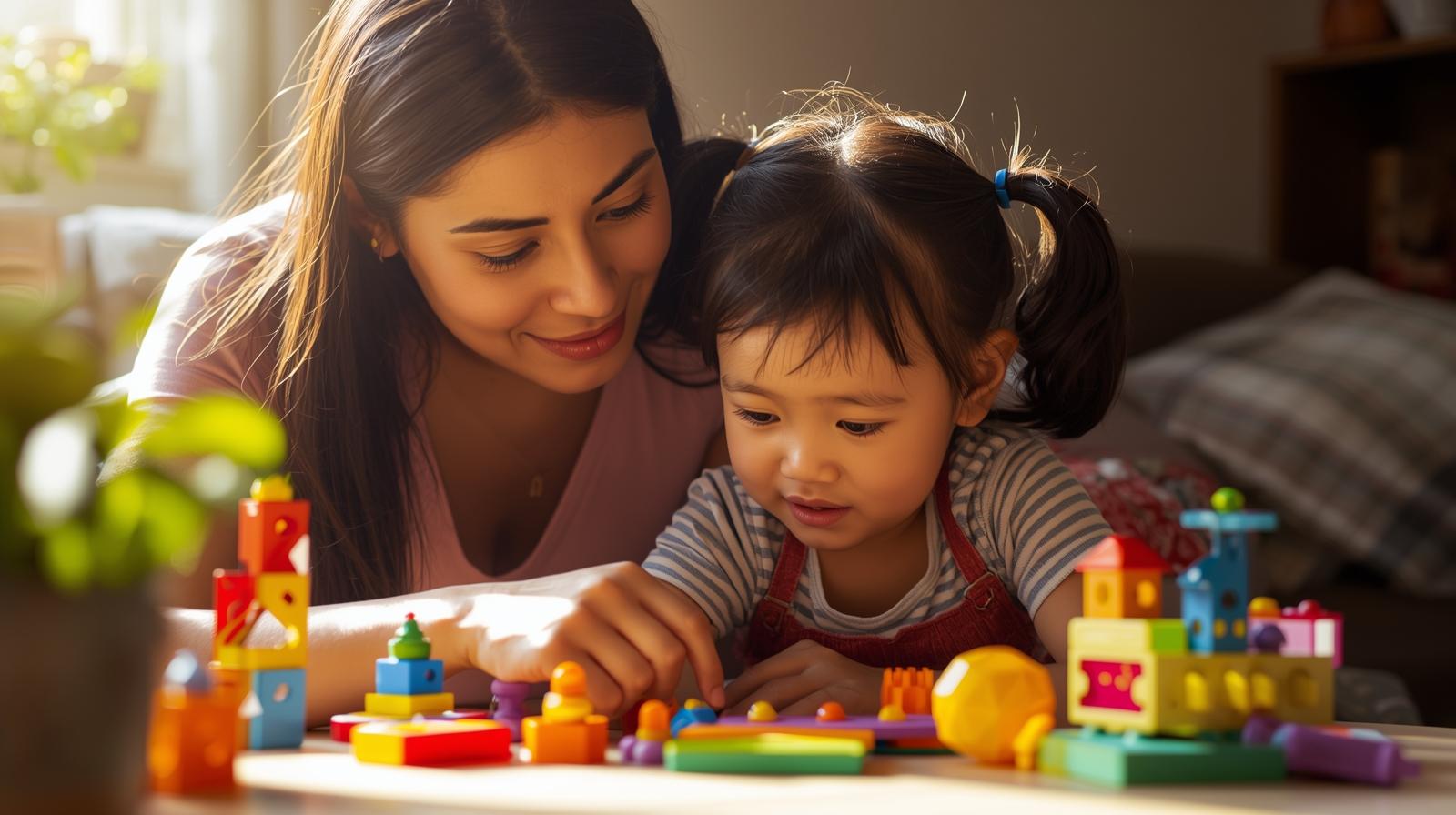
Five is such a magical age for kids. They are suddenly full of big questions and even bigger energy. It can be tricky to find learning toys for 5 year olds that match their growing brains.
You want something that helps them learn but isn’t boring. You also need something sturdy that won’t break in two days. We have rounded up the best learning toys for 5 year olds to save you the guessing game.
Learning toys for 5 year olds don’t have to be expensive or complicated. The best ones are often simple tools that spark their imagination. Let’s look at some favorites that actually work.
Tell us in the comments: what is your 5-year-old currently obsessed with?
Quick guide: what 5-year-olds learn best right now
Five-year-olds are in a huge transition phase. They are moving from toddler play to “big kid” thinking. Their attention spans are getting a little bit longer.
Socially, they are learning to share and take turns. They are starting to understand rules in games. This is the perfect time for simple board games.
Physically, their hands are getting stronger. They can hold pencils better and cut with scissors. Toys that refine these fine motor skills are super helpful.
Academically, many are starting to recognize letters and numbers. They might be trying to read simple words. Toys that make these concepts fun are gold.
How to choose learning toys without wasting money
We have all bought that expensive toy that gets ignored. It sits in the corner gathering dust. That feels terrible, especially when you are on a budget.
First, look for open-ended toys. These are toys that can be used in many ways. Blocks, art supplies, and dress-up clothes fit this category perfectly.
Second, check the durability reviews. Five-year-olds can still be rough on their things. You want plastic that doesn’t crack and wood that doesn’t splinter.
Finally, think about your child’s specific interests. If they love dinosaurs, a dino math game is a winner. If they love drawing, get them better art tools.
Must Read: Top Educational Toys for 4 Year Olds to Boost Learning
Learning toys by skill
It helps to break down toys by what they teach. You don’t need a toy for every single skill. Just pick a few areas where your child shows interest.
We will cover reading, math, STEM, and more. This makes it easier to spot what is missing in your toy box. You can balance out their playtime this way.
Remember, the goal isn’t to force them to study. The goal is to make learning feel like play. When they are having fun, the skills just stick.
Learning toys for reading and phonics
Reading is a huge milestone for this age group. Some kids are ready to blend sounds. Others are just mastering their alphabet.
Magnetic letters are a classic for a reason. You can stick them on the fridge while you cook. Kids can spell their names or simple words like “cat.”
Phonics games like “Zingo” are fantastic. They turn matching words and pictures into a fast-paced game. It takes the pressure off “reading practice” completely.
Simple story cubes are another great option. Kids roll the dice and tell a story based on the pictures. This builds vocabulary and narrative skills without them realizing it.
Learning toys for early maths and number sense
Math isn’t just about memorizing numbers. It is about understanding patterns and quantity. Hands-on toys make abstract numbers feel real.
Counting bears or colorful counters are wonderful. You can sort them by color or size. You can also use them for simple addition problems.
Board games like “Sum Swamp” are big hits. They make adding and subtracting part of the adventure. Kids have to do math to move their little frog piece.
Number puzzles are also very effective. Fitting the number “5” into a slot with five apples helps visual learners. It connects the symbol to the actual amount.
Learning toys for STEM and building
STEM stands for Science, Technology, Engineering, and Math. That sounds serious, but for a 5-year-old, it just means building stuff. It means figuring out how things work.
Magnetic tiles like Magna-Tiles are an investment worth making. Kids can build tall towers or 3D shapes. They learn about gravity and balance naturally.
Marble runs are another exciting choice. Kids have to plan the path for the marble. If it gets stuck, they have to problem-solve and fix it.
Simple coding robots are becoming popular too. These screen-free toys teach logic and sequencing. You press buttons to tell the mouse or caterpillar where to go.
Learning toys for creativity and pretend play
Creativity helps kids process their world. Pretend play builds empathy and social skills. These toys are vital for emotional development.
A sturdy easel with paint and chalk is a staple. It gives them a designated place to be messy. Drawing on a vertical surface also strengthens arm muscles.
Dress-up clothes that aren’t specific characters are great. Silly hats, capes, and scarves allow them to be anyone. Today they are a chef; tomorrow they are a wizard.
Play kitchens or doctor kits encourage role-playing. They practice vocabulary related to cooking or health. They also learn to act out real-life scenarios.
Learning toys for fine motor skills and hand strength
Writing requires strong hand muscles. Before they can write essays, they need to strengthen their grip. Play is the best way to do this.
Play-dough or modeling clay is excellent. Squeezing, rolling, and cutting the dough works those hand muscles hard. Plus, it is soothing for many kids.
Stringing beads onto a lace is a calm activity. It requires focus and steady hands. It is great for hand-eye coordination.
Tweezers and sorting trays are surprisingly fun. Kids love picking up pom-poms with big plastic tweezers. It mimics the motion of holding a pencil.
Learning toys for social skills and teamwork
Five-year-olds are learning to play with others, not just next to them. Cooperative games teach them to work together. Everyone wins or loses together.
“Outfoxed” is a brilliant cooperative detective game. You work together to find the fox who stole the pie. It encourages talking and planning as a team.
Simple card games like “Go Fish” teach turn-taking. They also teach how to handle disappointment. Learning to lose gracefully is a big life skill.
Building a fort together with blankets requires negotiation. They have to agree on where the pillows go. It is teamwork in its purest form.
Must Read: Discover Kid Friendly Activities Near You for Family Fun
Best learning toys for different personalities
Every child is wired differently. A toy that one kid loves might bore another to tears. You know your child best.
We have broken this down by personality type. Whether you have a wild child or a dreamer, we have ideas. Matching the toy to the kid is the secret sauce.
Best learning toys for busy bodies
Some kids just cannot sit still. They learn best when their whole body is moving. You want toys that channel that energy.
A mini trampoline with a handle is great for indoor energy. They can count their jumps. It helps get the wiggles out before quiet time.
Floor is Lava games are super fun. You can buy a kit or just use colored mats. It teaches balance and quick thinking.
Balance boards are excellent for core strength. They can rock while watching TV or listening to a story. It keeps their body busy so their brain can focus.
Best learning toys for quiet kids
Some kids prefer calm, focused activities. They can sit for an hour working on a project. These toys respect their need for quiet.
Detailed jigsaw puzzles are perfect for these kids. Start with 24 or 48 pieces. The satisfaction of finishing a picture is a huge confidence booster.
Sticker by number books are very relaxing. It is like paint by numbers but with stickers. It requires precision and patience.
Solo logic games like “Rush Hour Jr.” are great. They have to slide cars to clear a path. It is a brain teaser they can do entirely on their own.
Best learning toys for kids who get bored fast
If your child loses interest quickly, you need variety. You need toys that change every time you play. High-engagement toys are key here.
Science experiment kits are usually a hit. Watching a volcano erupt holds their attention. The reaction is immediate and exciting.
Interactive globes or maps can be cool. You touch a country, and it plays music or facts. It gives immediate feedback, which keeps them engaged.
Building sets with motors or lights add an extra layer. Once they build the car, it actually moves. That payoff keeps them building longer.
Best learning toys for siblings and playdates
toys that work for multiple ages are a lifesaver. You want something the 5-year-old and the 3-year-old can share. It stops the fighting (mostly).
A big box of wooden blocks works for everyone. The little one stacks; the big one builds castles. They can play side-by-side peacefully.
Walkie-talkies are incredibly fun for siblings. They can run to different rooms and talk. It encourages imaginative spy games or hide-and-seek.
A large floor piano mat is fun for playdates. Multiple kids can jump on it to make music. It is loud, active, and very social.
Learning toys that work at home
You don’t need a classroom to have a learning environment. Your living room works just fine. The key is how you fit these toys into your day.
We want to make your life easier, not harder. These ideas fit into regular family life. No complicated lesson plans required.
Easy learning toy routines for weekdays
Weekdays are rushed and often chaotic. You need toys that kids can grab while you make dinner. Independent play is the goal here.
Set up a “morning basket” on the coffee table. Put a few books, a puzzle, or some flashcards in it. They can explore it while you drink your coffee.
Keep art supplies accessible but contained. A tray with paper and washable markers is safe. They can draw while you fold laundry nearby.
Use audiobooks during quiet time. Pair it with a simple building toy like LEGOs. They listen and build, giving you a break.
Learning toy ideas for rainy days
Rainy days can feel endless with a 5-year-old. You need activities that eat up time. This is when you pull out the special stuff.
Indoor sensory bins are magic. Fill a tub with dried rice or beans. Add scoops, cups, and little hidden toys.
Build a massive fort using a construction kit. These kits have poles and connectors. Throw a sheet over it for a cozy reading nook.
Baking is actually a great math lesson. Measuring cups teach fractions and volume. Plus, you get cookies at the end.
Learning toy storage that keeps your sanity
Too many toys make a huge mess. A messy room makes it hard to play. Good storage helps kids clean up themselves.
Clear bins are better than toy boxes. Kids can see what is inside without dumping everything. Label the bins with pictures and words.
Rotate your toys regularly. Keep half in a closet and swap them every month. Old toys feel new again, and the mess stays manageable.
Use low shelves so they can reach everything. If they can reach it, they can put it away. Make cleanup part of the play routine.
Safety checklist for toys for 5-year-olds
Even at 5, safety matters. They are past the choking hazard stage mostly. But there are still things to watch for.
Check for button batteries in electronic toys. These are very dangerous if swallowed. Make sure battery compartments are screwed shut tight.
Watch out for super strong magnets. If swallowed, high-powered magnets can cause serious internal damage. Stick to age-appropriate magnetic toys.
Inspect hand-me-down toys carefully. Check for lead paint on vintage toys. Make sure plastic isn’t brittle and breaking into sharp shards.
What to avoid when buying “educational” toys
Not every toy labeled “educational” is good. Some are just flashy lights and noise. They entertain, but they don’t really teach.
Avoid toys that do all the work. If the toy talks, moves, and sings while the kid just watches, skip it. Passive toys create passive learners.
Be wary of screens marketed as learning tools. Some apps are great, but hands-on play is usually better. 3D interaction beats 2D swiping.
Don’t buy toys that are too advanced. If a toy is too hard, they will get frustrated and quit. Challenge is good; impossible is discouraging.
Budget picks vs splurge picks
You don’t have to spend a fortune. There are great options at every price point. Here is where to save and where to spend.
Budget Picks:
- Decks of cards (War, Go Fish)
- Sidewalk chalk
- Jump ropes
- Generic plastic building bricks
- Library books (free!)
Splurge Picks:
- Quality magnetic tiles (Magna-Tiles)
- Wooden train sets
- Coding robots
- Durable easel
- Educational tablet (like LeapFrog)
Save on consumables like paper and crayons. Splurge on durability for building sets. Invest in things that will last for years.
Final picks and next steps: learning toys for 5 year olds
Choosing learning toys for 5 year olds is about balance. You want a mix of active, quiet, and creative options. You want tools that grow with them.
Remember, the best toy is one they actually play with. It doesn’t matter if it wins awards. If your child loves it, it is a good toy.
Focus on their interests and follow their lead. If they are into bugs, get a magnifying glass. If they love music, get a harmonica.
Keep it simple and fun. You are doing a great job nurturing their curiosity. Mom Kid Friendly is here to help you every step of the way.
Ready to refresh your toy shelf? Share this post with a fellow mom who needs ideas!
Must Read: Great board games for 7 year olds moms love playing too
Frequently asked questions
What are the best learning toys for 5 year olds right now?
The best learning toys for 5 year olds are the ones that match what your kid already loves, like building, stories, art, or movement. Magnetic tiles, phonics games, counting bears, simple coding bots, and cooperative board games hit the sweet spot because kids stay engaged while they learn. If you want one quick rule, pick toys that let your child do the thinking instead of the toy doing it for them.
How do I choose learning toys for 5 year olds without wasting money?
Start with open-ended options that work in lots of ways, like blocks, pretend play props, art tools, and reusable counters. Check durability reviews and aim for toys that can survive drops, stomps, and “oops” moments. Then match the toy to your child’s current obsession, because interest is what keeps a toy out of the donation box.
Are STEM toys too advanced for a 5-year-old?
No, as long as the STEM toy stays hands-on and simple, like magnetic tiles, marble runs, or beginner coding robots. A 5-year-old learns STEM by building, testing, and fixing, not by reading instructions like a grown-up. If the toy causes tears in the first ten minutes, it’s probably a “later” toy.
What learning toys help reading and phonics at age 5?
Magnetic letters work great for names, simple words, and sound games at the fridge while you cook. Word-and-picture games like Zingo keep things playful and help kids connect sounds, letters, and meaning. Story cubes also build vocabulary fast because kids practise talking and storytelling without feeling like they’re “doing reading”.
What learning toys help early maths skills for 5 year olds?
Hands-on counters like counting bears make numbers real because kids can sort, group, and add without guessing. Maths board games like Sum Swamp turn adding and subtracting into a mission instead of a worksheet. Number puzzles also help because kids see the symbol and the quantity at the same time.
What are good learning toys for fine motor skills and handwriting prep?
Play-dough and modelling clay build hand strength through squeezing, rolling, and cutting. Beading and lacing cards improve focus and hand-eye coordination in a calm way. Tweezers and sorting games feel like play, but they train the same grip kids use later for pencils.
What learning toys help social skills for 5 year olds?
Cooperative games like Outfoxed teach teamwork because everyone has to talk, plan, and solve together. Simple card games teach turn-taking and how to handle losing without a meltdown. Even fort-building counts because kids have to negotiate and agree on a shared plan.
Do learning toys for 5 year olds need screens to be effective?
No, and many kids learn better with hands-on play because they can touch, build, and move. Screen-free toys also keep attention longer because kids stay active in the activity instead of watching it happen. If you do use screens, keep it short and pair it with real-world play after.
What should I avoid when buying “educational” toys?
Skip toys that do all the work with nonstop lights and sound while your child just watches. Avoid toys that feel too hard, because frustration kills interest fast at this age. Also watch for cheap parts, weak battery doors, and tiny bits that break off easily.
How many learning toys should a 5-year-old have?
A small mix beats a huge pile, because too many options makes kids bounce from toy to toy without deep play. Aim for a balance of building, pretend play, one or two games, and a couple of creative supplies. Rotate what’s out each month so old favourites feel new again.
Author

