
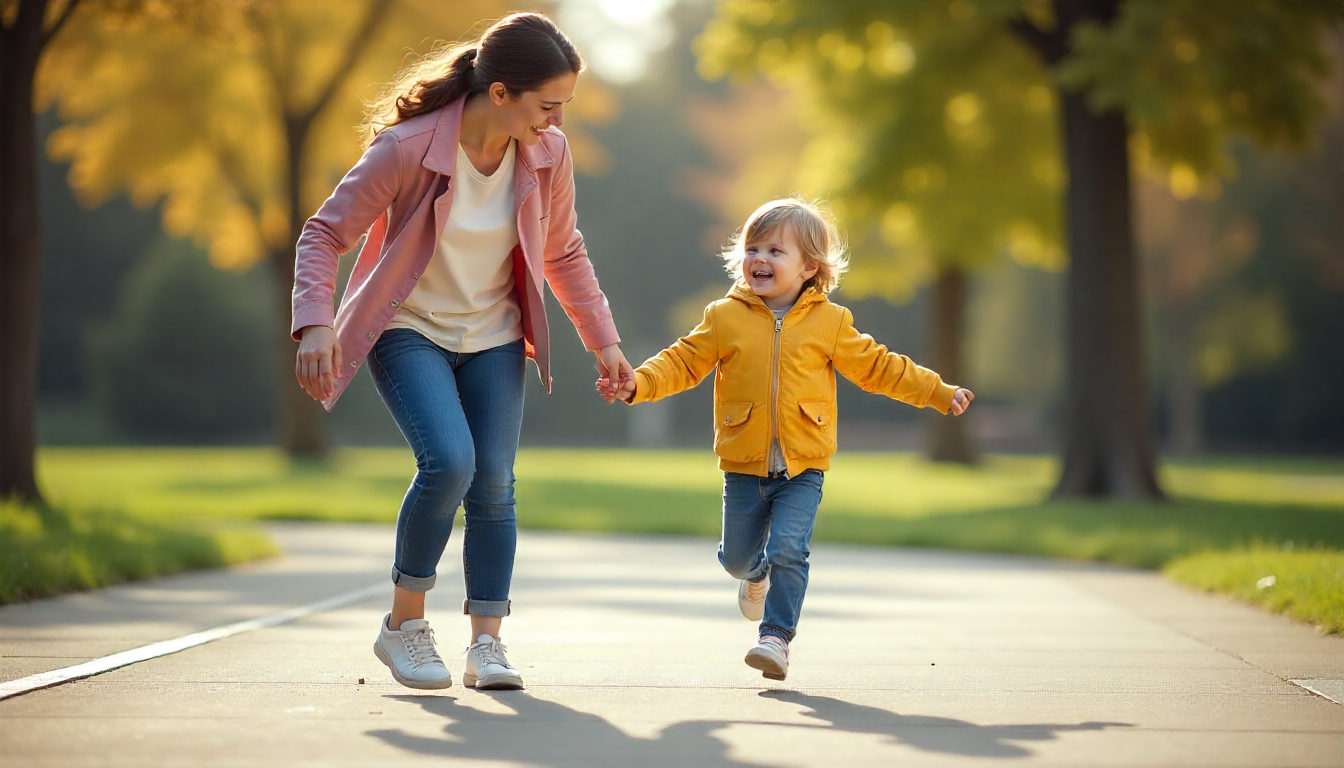
Watching your child grow from a wobbly toddler into a capable school-aged kid feels like magic as you notice new physical milestones for school age every year. One minute you are tying their shoes, and the next, they are running across the soccer field, showing clear physical milestones for school age development. It happens so fast that you might wonder if they are on track.
Every mom worries about whether her child is developing “normally” compared to their peers, especially when thinking about physical milestones for school age kids. You might see other kids riding bikes without training wheels while yours is still hesitant, which can raise questions about physical milestones for school age progress. That comparison game is tough, but understanding the basics can help you relax.
This guide breaks down physical milestones for school age children in a simple, stress-free way so you know what to expect. We will look at what changes between ages 5 and 12 and how you can support healthy physical milestones for school age development. You have got this, and we are here to help you navigate these years with confidence.
Are you wondering if your child’s growth spurts are on track? Share your questions or experiences in the comments below so we can support each other!
What Is Considered School Age? Understanding the 5–12 Year Range
When we talk about “school age,” we usually mean children between the ages of 5 and 12. This is the bridge between early childhood and the teenage years. It is a huge span of time where massive changes happen.
At age 5, they are just learning to control their limbs and balance. By age 12, many are entering puberty and dealing with rapid growth spurts. It is a wild ride of scraped knees, lost teeth, and new skills.
This period is often called “middle childhood.” While physical growth slows down a bit compared to the baby years, skill development speeds up. They aren’t just growing bigger; they are becoming more coordinated and strong.
Understanding this age range helps you set realistic expectations. You wouldn’t expect a 5-year-old to run a marathon, but you might expect a 10-year-old to ride a bike for a few miles. knowing the baseline helps you spot the wins.
Why Physical Development Matters During the School Years
Physical growth isn’t just about outgrowing sneakers every three months. It is deeply connected to a child’s confidence and social skills. When kids feel capable in their bodies, they are more likely to join in on playground games.
Active play builds strong bones and muscles, setting the foundation for a healthy life. It also helps with focus in the classroom. A child who can sit still and hold a pencil correctly can pay better attention to the teacher.
Physical milestones for school age children also impact their emotional health. Learning to catch a ball or skip rope teaches resilience and patience. They learn that practice leads to improvement, which is a huge life lesson.
If a child struggles physically, they might withdraw socially. That is why keeping an eye on these milestones matters. It allows you to step in with support or encouragement when they need it most.
Must Read: How Long is the Newborn Stage? Key Milestones Explained
Gross Motor Physical Milestones for School Age Children
Gross motor skills involve the big muscles in the body. These are the skills used for running, jumping, and climbing. During the school years, these movements become smoother and more controlled.
You will notice your child becoming less clumsy over time. They will start to combine movements, like running and kicking a ball simultaneously. Their balance improves significantly, allowing them to ride bikes or skate.
Here are some key gross motor skills to look for:
- Balance: Standing on one foot for longer periods without falling.
- Coordination: Jumping rope or doing jumping jacks with rhythm.
- Strength: Climbing jungle gyms or monkey bars with confidence.
- Agility: Changing direction quickly while running during a game of tag.
These skills develop through active play, not forced exercise. A simple game of hopscotch or a race to the mailbox works wonders. Just let them move their bodies in fun ways.
Fine Motor Physical Milestones for School Age Children
Fine motor skills involve the small muscles in the hands and fingers. These are crucial for school tasks like writing, cutting, and pasting. As your child grows, their movements become much more precise.
At age 5, writing might look large and shaky. By age 8, handwriting usually becomes smaller, neater, and more consistent. They also get better at daily tasks like buttoning shirts and tying shoelaces.
Look for these fine motor improvements:
- Writing: Holding a pencil correctly and forming letters clearly.
- Self-Care: Zipping zippers, buttoning buttons, and eventually tying shoes.
- Tools: Using scissors to cut along a line accurately.
- Dexterity: Building complex Lego structures or threading beads.
If you notice your child struggles with these, don’t panic. Sometimes they just need a little extra practice with fun activities. Clay, coloring, and beading are great ways to strengthen those little fingers.
Physical Milestones for School Age by Age Group
Every child follows their own timeline, but there are general patterns we can look for. Breaking these down by age helps you know what is typical. Remember, these are just guidelines, not strict rules.
Ages 5–6: The “Wiggly” Years
At this age, kids are full of energy but might still be a bit uncoordinated. They are learning to use their bodies in new ways.
- Movement: They can skip, jump, and gallop, though it might look a bit choppy.
- Hands: They are learning to print their name and cut with scissors.
- Balance: They can walk on a balance beam or a low curb.
- Play: They love rough-and-tumble play and are constantly moving.
Ages 7–8: The “Skill-Building” Years
Coordination improves drastically during these years. They start to look more like “big kids” in their movements.
- Sports: They can dribble a ball, bat a baseball, or ride a two-wheeler.
- Hands: Handwriting becomes neater, and they can draw more detailed pictures.
- Stamina: They have more energy for longer periods of play or sports practice.
- Independence: They can dress themselves completely, including tying laces.
Ages 9–10: The “Refinement” Years
Movements become fluid and strong. This is when many kids find specific sports or activities they love.
- Precision: They can use tools like hammers or sewing needles with supervision.
- Team Sports: They understand the physical rules of games like soccer or basketball.
- Speed: They can run faster and with better control.
- Growth: You might start to see the early signs of puberty or growth spurts.
Ages 11–12: The “Pre-Teen” Shift
This stage is often marked by rapid physical changes. Puberty begins for many, which can temporarily affect coordination.
- Changes: Girls may start developing curves, and boys may gain muscle mass.
- Awkwardness: Rapid growth might make them feel a bit clumsy again.
- Strength: There is a noticeable increase in muscle strength and endurance.
- Hygiene: They become capable of managing their own showers and grooming routines.
Must Read: Top 7 Best Board Games for 5 Year Olds: Family Fun Choices
Red Flags: When Physical Milestones for School Age May Need Extra Support
While every child is different, sometimes delays need a closer look. Trust your gut as a mom. If something feels off, it is okay to ask questions.
It is helpful to know what might signal a need for professional help. Early intervention can make a huge difference for Mom Kid Friendly families. You are your child’s best advocate.
Watch for these potential red flags:
- Regression: Losing skills they once had, like suddenly not being able to catch.
- Asymmetry: Using one side of the body much more than the other.
- Clumsiness: Falling frequently or bumping into things constantly after age 7.
- Fatigue: Getting tired much faster than other kids their age during play.
- Pain: Complaining of persistent pain in legs or arms at night or after activity.
If you spot these, chat with your pediatrician. It might be nothing, or it might be something physical therapy can fix. Getting peace of mind is always worth the appointment.
Simple Activities to Support Physical Milestones for School Age at Home
You don’t need a gym membership to help your kids grow strong. The best way to support development is through everyday play. Simple, low-cost activities are often the most effective.
Make movement a natural part of your family routine. It bonds you together and gets everyone off screens. Plus, it wears them out for bedtime, which is a win for mom.
Try these easy ideas at home:
- Obstacle Courses: Use couch cushions and chairs to create a living room course.
- Dance Parties: Blast music and freeze when the song stops to work on balance.
- Scavenger Hunts: Hide items in the yard to encourage running and searching.
- Kitchen Helper: Let them stir batter or chop soft fruit to build hand strength.
- Ball Games: Play catch or kick a ball back and forth in the driveway.
These moments don’t have to be structured or perfect. Just ten minutes of active play can boost their coordination. Keep it fun, and they won’t even realize they are “working” on skills.
How School, Sports, and Play Impact Physical Milestones for School Age
School plays a huge role in your child’s physical life. Recess is often the main time kids get to run free. PE classes introduce structured movement and new skills.
Organized sports can be great, but they aren’t required. Some kids thrive on a soccer team, while others prefer hiking. The goal is simply to keep moving, however they choose.
Free play is just as important as organized sports. Unstructured time at the park allows kids to test their limits. They learn to climb trees or navigate slides at their own pace.
Encourage a mix of these environments:
- School: Ask about their recess activities to gauge their social and physical comfort.
- Sports: Let them try different activities without pressure to be the star.
- Free Play: Ensure they have downtime to just run around outside.
Balancing these areas helps them develop a well-rounded set of physical skills. It prevents burnout and keeps exercise fun.
Supporting Healthy Physical Milestones for School Age
Seeing your child hit these physical milestones for school age is exciting. It means they are growing up and becoming more independent. But remember, it is a marathon, not a sprint.
Don’t stress if they are a little behind on riding a bike or tying shoes. Offer encouragement, opportunities to practice, and lots of patience. Your support means more than their athletic performance.
Focus on progress over perfection. Celebrate the effort they put into learning new things. That confidence will carry them through all the growth spurts ahead.
Did this guide help ease your mind about your child’s growth? Drop a comment below to share your story or ask a question—we love hearing from you!
Must Read: Top Indoor Activities for Kids to Spark Creativity and Fun
Frequently Asked Questions
What are physical milestones for school age children?
Physical milestones for school age children include the gross and fine motor skills kids typically develop between ages 5 and 12, such as running smoothly, riding a bike, writing neatly, and building strength and coordination.
At what age do physical milestones for school age begin?
Physical milestones for school age usually begin around age 5, when children enter kindergarten, and continue through age 12 as they approach the pre-teen years.
What gross motor skills should school age children have?
Common gross motor physical milestones for school age include hopping, skipping, climbing, balancing on one foot, riding a bike, and participating in team sports with coordination.
What fine motor skills are important during school age?
Fine motor physical milestones for school age include writing clearly, cutting with scissors, tying shoes, buttoning clothes, and using tools like pencils, crayons, and utensils properly.
Should I worry if my child is behind on physical milestones for school age?
Every child develops at their own pace, but if your child consistently struggles with physical milestones for school age or loses skills they once had, it’s a good idea to talk to your pediatrician.
How can I support physical milestones for school age at home?
You can support physical milestones for school age through everyday play like bike riding, obstacle courses, drawing, building with blocks, dancing, and outdoor free play.
Do physical milestones for school age affect learning?
Yes, physical milestones for school age are closely connected to learning, focus, confidence, and social skills, especially in classroom settings.
Author

