
You’re watching your 16-month-old waddle around the living room, pointing at everything and babbling up a storm. But how many words should a 16 month say, really? It’s one of those questions that keeps parents up at night, comparing notes with friends and scrolling through milestone charts.
The truth is, every child develops at their own pace. However, having some general guidelines helps you know what is typical and when to ask for help. As we explore how many words should a 16 month say, we’ll look at what speech experts and pediatricians actually say about vocabulary at this age.
Table Of Contents:
- What’s Normal for How Many Words Should a 16 Month Say
- The Wide Range of Typical Development
- Understanding What Words Actually Count
- More Than Just Counting Words
- The Role of Physical Skills
- When Should You Be Concerned
- How to Support Your Toddler’s Language Development
- Every Child’s Timeline Is Different
- When to Talk to Your Pediatrician
- The Bottom Line on Toddler Vocabulary
- Conclusion
- Frequently Asked Questions
What’s Normal for How Many Words Should a 16 Month Say
Most toddlers at 16 months have somewhere between 10 and 15 words in their vocabulary. But here is the thing: the range is massive. Some kids might only say a handful of words while others are chatting away with dozens.
Pediatrician Sara DuMond, M.D., F.A.A.P., points out that by 16 to 18 months, most kids have a vocabulary of 10 to 15 words. That is pretty standard across the board for typical speech development. You might find your little one falls right in the middle of this range.
The CDC notes that by 15 months, your child should be trying to say one or two words besides mama or dada. By 18 months, they should be attempting three or more words. It is helpful to remember that toddler talk often sounds different than adult speech.
There is often a worry about hitting exact numbers. Rest assured, these numbers are averages, not strict deadlines. Your child’s speech journey is personal to them.
Related Reading: Teaching Children Basic Life Skills: A Comprehensive Guide
The Wide Range of Typical Development
Here is where it gets interesting regarding child development. Some children at 16 months might have just a few words. Others could be using 36 or more words regularly.
Research shows that anywhere from 31 to 139 words falls within normal development at this age. That is a huge spread. It shows just how different each child’s language journey can be.
You might see a wide spectrum of abilities among children of the same age. Young children often focus on different skills at different times. While one child is talking, another might be climbing everything in sight.
This variance is perfectly normal and usually balances out over time. Don’t worry if your neighbor’s child seems to be reciting Shakespeare while yours says “ball.” Both can be on track.
Understanding What Words Actually Count
What counts as a word, anyway? You are not listening for perfect pronunciation. Those consistent sounds or gestures your child uses to label things count too.
Your toddler does not need to say “banana” perfectly for it to count as a word. If they consistently say “nana” when they see or want a banana, that is a word. These approximations are a huge part of early speech.
Listen for those repeated sounds they use with intention. Maybe they say “buh” every time they see a ball. Or they point and say “da” when they want something specific.
Animal noises also count toward the total. If they say “moo” when they see a cow, mark it down. Exclamations like “uh-oh” are also valid words in a child’s speech inventory.
Gestures Paired with Sounds
Gestures paired with sounds matter too. Communication is not just about spoken words at this age. When a child points and vocalizes, they are building the foundation for sentences.
It is good to acknowledge these efforts. It helps toddler confidence when you understand their non-verbal cues. This interaction bridges the gap until they can form simple phrases.

Related Reading: 15 Tips for Managing Screen Time Effectively for Kids
More Than Just Counting Words
Focusing only on how many words should a 16 month say misses part of the picture. Language development includes so much more than vocabulary size. Understanding speech is often the first step before speaking.
Research shows that vocabulary size alone at 2 years old is not a strong predictor of language skills for 3 and 4 year olds. Other communication skills matter just as much. Receptive language, or what they understand, is key.
Your child’s ability to understand what you are saying is huge. Receptive language often develops before expressive language. They might not say many words yet but they understand tons.
If you ask them to go get their shoes, do they do it? That shows they are understanding simple concepts. This comprehension is a vital sign of healthy cognitive growth.
What Else to Watch For
Does your 16-month-old follow simple instructions? The CDC explains that toddlers between 15 and 18 months should be able to follow basic instructions. Commands like “sit down” or “come here” are good tests.
Watch how they interact with you.
Do they make eye contact? Do they bring you toys to share? These social communication skills are just as important as word count.
Gestures tell you a lot too. Pointing, waving, nodding, and shaking head are all forms of communication. A child who uses lots of gestures is still communicating effectively.
Specifically, look for the shaking head “no” or nodding yes. These distinct movements show they understand questions and have opinions. If your child point at an airplane in the sky, they are sharing an interest with you.
The Role of Physical Skills
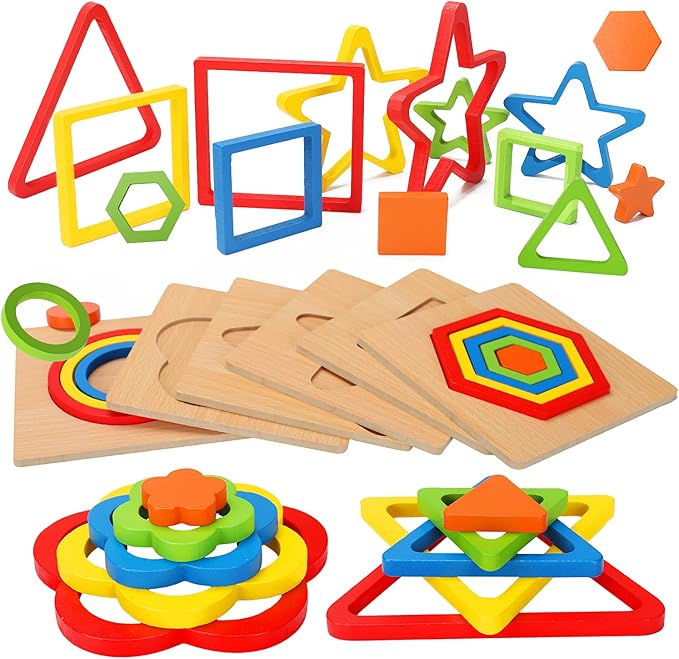
Sometimes, speech development takes a backseat to physical growth. If your child is working hard on gross motor skills, they might be too busy to talk. Walking, running, and climbing require a lot of brainpower.
It is not uncommon for a child to master gross motor milestones before a language explosion occurs. Once they feel confident in their movement, their focus often shifts back to words. Motor skills and speech often take turns progressing.
Even things like weight gain and physical spurts can affect energy levels for learning new skills. Your child’s doctorlooks at this holistic picture. It is all connected in the web of development milestones.
Related Reading: Teaching Children Basic Life Skills: A Comprehensive Guide
When Should You Be Concerned
Speech pathologists consider a child at risk for being a late talker if they are saying fewer than 30 words spontaneously at 16 months. But this is just one marker among many. Speech pathology experts look at the whole child.
A child who uses lots of gestures and understands everything you say might just be taking their time with spoken words. That is often totally fine. But if they are not understanding much or not trying to communicate at all, that is different.
The Centers for Disease Control and Prevention notes that by 18 months, toddlers should be working on saying three words beyond mama or dada. If they are nowhere close, a chat with your pediatrician makes sense.
Keep in mind that language delay does not always mean a long-term problem. Many month olds catch up completely by age three. However, being proactive is always a smart move.
Red Flags to Watch For
Not responding to their name by 16 months is worth mentioning to your doctor. So is a lack of pointing or showing you things. These can be early signs of developmental delays.
If your child is not trying to imitate sounds or words at all, bring it up. Most toddlers love copying the sounds they hear around them. Imitation is how children learn best.
Loss of skills is always concerning. If your child used to say words and stopped, call your pediatrician right away. Any regression in child’s speech warrants a professional look.
Another sign to watch is difficulty with simple instructions. If they consistently cannot follow simple commands without gestures, let the doctor know. It might be a hearing issue or a processing delay.
How to Support Your Toddler’s Language Development
You can help your child’s language skills grow without turning it into a stressful project. Simple daily routines make the biggest difference. Incorporate talking into everything you do.
Talk to your child throughout the day about what you are doing. Narrate your activities as you make lunch or fold laundry. This constant language bath helps them learn new vocabulary.
Read books together every day. Point to pictures and name them. Ask simple questions like “Where’s the dog?” even if they cannot answer yet.
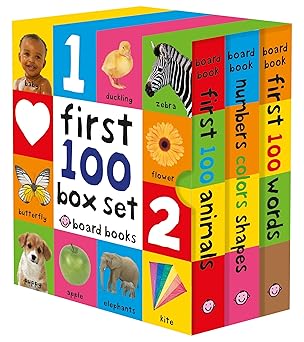
Use short sentences that are easy for them to digest. Instead of long explanations, say “Big truck.” or “Blue ball.” This makes it easier for them to mimic you.
Easy Ways to Encourage More Words
Imitate the sounds your child makes. If they say “bah,” you say it back. Then expand on it with “Yes, ball. Big blue ball.”
Sing songs and do fingerplays. The rhythm and repetition help children learn and remember words. Fun activities like “Head, Shoulders, Knees, and Toes” connect words to body parts.
Give them time to respond. After you ask a question, wait. Count to ten in your head.
Many parents jump in too quickly without giving their child a chance to try.
Engage in play that encourages the use of simple phrases. If you are playing with cars, say “Go car” or “Stop car.” Speech language growth happens naturally during play.
Even things like potty training discussions can build vocabulary. Words like “wet,” “dry,” “go,” and “flush” are functional and useful. Introducing these concepts early helps prepare them for later milestones.
Every Child’s Timeline Is Different
Comparing your child to others will drive you crazy. Your friend’s 16-month-old might be stringing two words together while yours says five words total. It’s common to feel anxious, but comparisons are rarely helpful.
That does not mean anything is wrong. Some children are early talkers. Others focus on physical skills first and language comes later.
Birth order can play a role too. Second or third children sometimes talk later because their siblings talk for them. Or they talk earlier because they hear more conversation around them.
Remember, there is no specific age down to the day for these skills. Month milestones are windows, not walls. Your child is an individual, not a statistic.
Trust Your Gut
You know your child better than anyone else. If something feels off, talk to your pediatrician. Early intervention makes a real difference when there are delays.
But if your child is engaged, communicating through gestures, understanding you, and making progress, they are probably doing just fine. Some kids just take their time.
Development is not a race. It is a journey with lots of different paths to the same destination. It’s good to stay observant, but try to enjoy the process.
Making your child feel secure and loved is the best foundation for learning. Stress can hinder progress, so keep interactions light and positive.
When to Talk to Your Pediatrician
Your child’s doctor is your best resource for questions about language development. They see hundreds of kids and can spot concerning patterns. This is primarily for informational purposes, but their medical advice is invaluable.
Bring up any worries at your 18-month checkup if not sooner. Most pediatricians ask about speech milestones at every visit anyway. They might ask about head “no” gestures or pointing.
If your doctor recommends a speech evaluation, do not panic. Early speech therapy can work wonders. Many children catch up quickly with a little extra support.
Sometimes, they might suggest getting hearing tested. Even minor fluid in the ears can muffle sounds and delay speech. It is a good time to rule out physical causes.
What a Speech Evaluation Involves
A speech pathologist will play with your child and observe how they communicate. They will look at both what your child says and understands. This is often called intervention speech assessment.
They will ask you lots of questions about your child’s daily communication.
How do they ask for things? Do they try to get your attention? How do they show you what they want?
The evaluation is not scary or stressful. It is usually just play-based activities that help the therapist understand your child’s skills. Children speak through play, so that is where the therapist starts.
They will look at how your child’s development compares to months it’s typical for. If support is needed, they create a plan that fits your family.
The Bottom Line on Toddler Vocabulary
So how many words should a 16 month say? Most toddlers say somewhere between 10 and 15 words, but anywhere from a few words to several dozen can be completely normal.
What matters more than the exact number is the whole communication picture. Is your child understanding you? Are they trying to communicate through gestures and sounds?
Are they engaged and interactive?
If you are worried, talk to your pediatrician. But if your child is making progress and connecting with you, they are probably right on track for their own timeline.
Remember to avoid using long sentences when talking to them. Keep it simple. With time, those single words will turn into the nonstop chatter of a preschooler.
Conclusion
Figuring out how many words should a 16 month say can feel overwhelming when you are in the thick of toddlerhood. Remember that the range of normal is wide and every child develops at their own pace. Whether they have two words or twenty, they are learning every day.
Focus on the big picture of communication rather than just counting words. Watch for understanding, gestures, and social engagement alongside vocabulary growth. These elements combine to form a robust language foundation.
Trust your instincts and talk to your pediatrician if you have concerns. Most kids are doing just fine, even if they are not following the textbook timeline exactly. Enjoy the babble and the funny mispronunciations while they last.
Frequently Asked Questions
1. How many words should a 16 month say?
Most toddlers say around 10–15 words, but it is typical for some children to say fewer and others to say several dozen. The range of normal is wide.
2. What counts as a word for a 16-month-old?
Any consistent sound, word approximation, gesture paired with vocalization, or meaningful animal sound can count. For example, “nana” for banana or “moo” for cow both qualify.
3. Should I worry if my 16-month-old says only a few words?
Not necessarily. The key is whether they understand language, use gestures, respond to their name, and attempt to communicate. If you’re unsure, talk to your pediatrician.
4. What are signs my 16-month-old may need a speech evaluation?
Red flags include not responding to their name, not pointing, lack of imitation, very limited understanding of simple instructions, or loss of previously learned words.
5. How can I help my 16-month-old say more words?
Narrate daily activities, read regularly, use simple sentences, respond to their attempts to communicate, and give them time to imitate. Play-based interactions are especially effective.
6. Is it normal for physical development to delay speech?
Yes. Many toddlers focus on motor skills like walking or climbing before experiencing a language burst.
7. At what point should I talk to a pediatrician about speech concerns?
If your child isn’t attempting at least a few words by 18 months, or if you have concerns about their comprehension or interaction, consulting your pediatrician is a good idea.
Author

