Potty training is one of those milestones that feels both exciting and terrifying. You’re ready to be done with diapers, but the mess and stress can feel overwhelming. Finding the right tools, like the best pull ups for potty training, can make a huge difference in your confidence.
We’ve all been there, standing in the diaper aisle, staring at a wall of options and wondering which ones actually work. It’s confusing to know if you need specific night time pants or if daytime training pants are enough when choosing the best pull ups for potty training. The good news is that you don’t have to figure it out alone.
This guide breaks down everything you need to know about choosing the right gear for your toddler. We’ll talk about absorbency, fit, and how to make the transition smoother for everyone. Let’s get your little one ready for big kid underwear without the stress.
Ready to simplify potty training? Join our community of moms sharing their best tips and favorite products today.
Why Potty Training Feels Harder Than You Expected
We often go into potty training thinking it will be a quick weekend project. Then reality hits, and we realize it’s more of a marathon than a sprint. It’s normal to feel frustrated when things don’t go according to plan.
Toddlers are full of big emotions and a strong desire for independence. When you add a major life change like using the toilet, resistance is bound to happen. They might be scared of the flush or just too busy playing to stop.
Every child learns at their own pace, which can be hard when you see other kids mastering it quickly. It’s easy to compare, but your child’s journey is unique to them. Patience and the right supplies are your best friends right now.
What Pull Ups Really Do During Potty Training
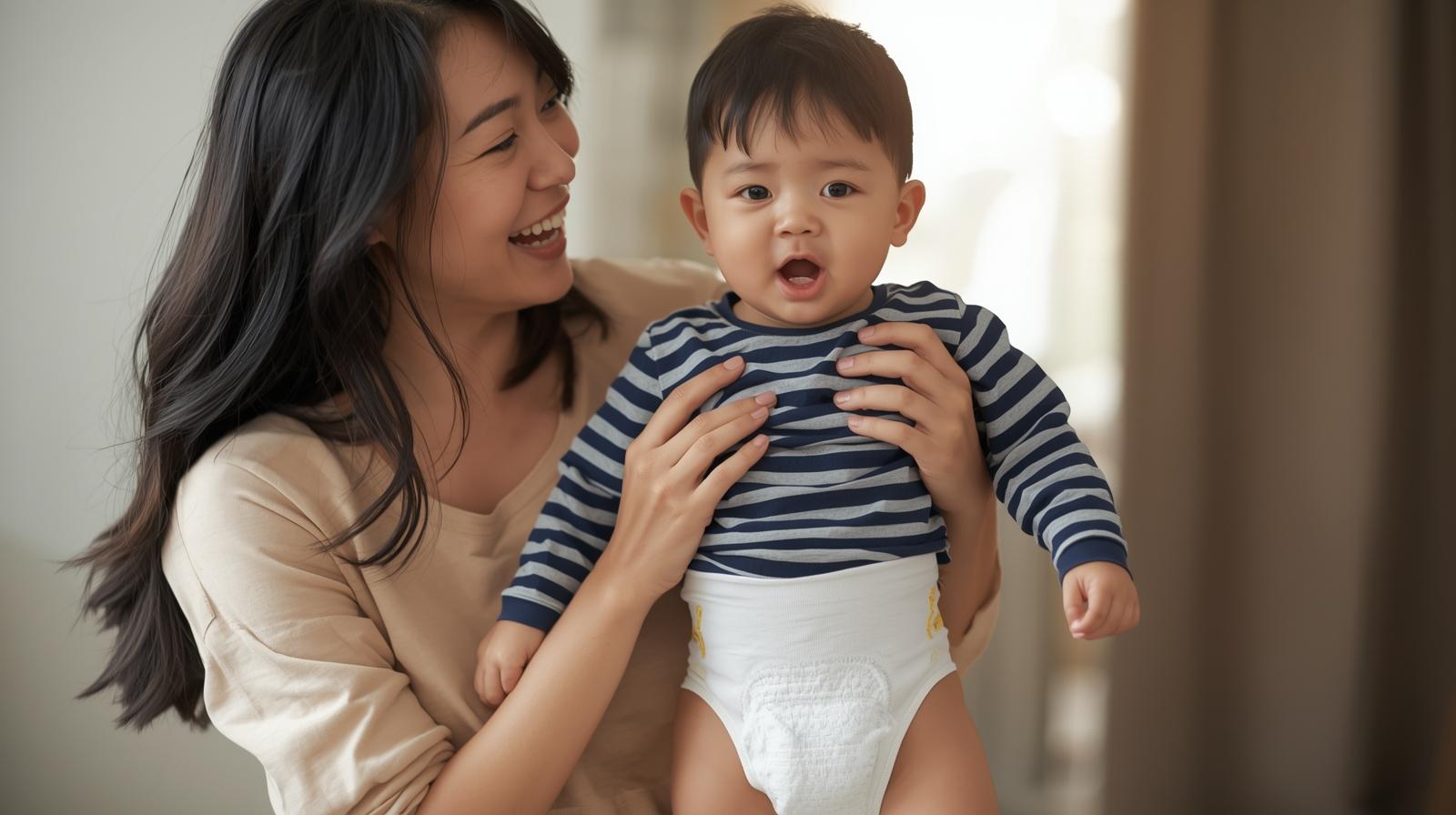
Pull ups are designed to be the bridge between diapers and regular underwear. They offer the protection of a diaper but pull up and down like real panties or briefs. This helps toddlers learn the physical motion of going to the bathroom.
They give your child a sense of independence because they can handle them on their own. However, they still have absorbent materials to catch accidents, saving you from constant cleanup. It’s a safety net that keeps everyone’s stress levels lower.
Some parents worry that pull ups might delay training because they feel too much like diapers. But when used correctly, they are a powerful tool for building confidence. They allow your child to practice without the fear of making a big mess.
Must Read: Physical Milestones for School Age: What to Expect as Your Kid Grows
Signs Your Child Is Ready for Pull Ups
Knowing when to switch from diapers to pull ups is a common question. Usually, you’ll notice your child showing interest in the bathroom or telling you when they need to go. They might also start pulling at their diaper when it’s wet or dirty.
Another clear sign is the ability to follow simple instructions. If you say “let’s go to the potty,” and they understand, they might be ready. Physical skills, like being able to pull pants up and down, are also important.
If your child is staying dry for longer periods during the day, that’s a great indicator. It means their bladder control is developing enough for training. Watch for these cues to know when to make the switch.
Pull Ups vs Diapers: What Moms Should Know
The main difference between pull ups and diapers is the design. Diapers have tabs on the sides and are meant to be changed by a parent while the child is lying down. Pull ups have an elastic waistband and are meant to be changed while standing.
Pull ups usually have less bulk than diapers to feel more like big kid underwear. This helps your child feel the difference and recognize that they aren’t wearing a baby diaper anymore. It’s a mental shift as much as a physical one.
However, diapers generally hold more liquid than training pants. That is why many parents stick with diapers for naps or nighttime in the beginning. It’s all about finding the balance that keeps your floor dry and your kid happy.
Key Features to Look for in Pull Ups for Potty Training
When shopping, look for sides that are easy to tear open. If your child has a messy accident, you do not want to pull that mess down their legs. Tear-away sides make cleanup significantly faster and cleaner.
Stretchy sides are also crucial for your toddler’s independence. They need to be able to slide the pants down quickly when the urge strikes. If the fit is too tight or stiff, it can lead to frustration and accidents.
Check for “fading designs” or wetness indicators on the front. Many brands have pictures that disappear when wet, which helps kids learn to recognize when they’ve had an accident. Visual cues can be a huge help for visual learners.
Common Mistakes Parents Make With Pull Ups
One common mistake is treating pull ups exactly like diapers. If you always change your child while they are lying down, they won’t learn the standing-up skill. Try to encourage them to step into the pants themselves.
Another issue is switching back and forth too often without a clear reason. Consistency helps toddlers understand expectations and routines. If you use diapers one day and pull ups the next, it can be confusing.
Some parents also rely on them for too long. While they are great for the transition, the goal is eventually to get to cloth underwear. Don’t be afraid to take the leap when your child is mostly dry.
Daytime vs Nighttime Pull Ups Explained
Daytime training pants are thinner and designed for mobility. They are meant to catch small accidents while your child rushes to the potty. The goal is to let the child feel a little dampness so they learn.
Nighttime training pants are built differently. They have extra absorbency because kids can’t control their bladders while sleeping deep. They prevent leaks that would otherwise soak the sheets and mattress.
It is perfectly normal to use underwear during the day and special pants at night. Nighttime dryness is a hormonal development, not just a learned skill. Don’t stress if night training takes much longer than day training.
How Long Kids Usually Stay in Pull Ups
There is no set rule for how long a child needs training pants. Some kids grasp the concept in a few weeks. Others might need the security of pull ups for several months or even a year.
It often depends on your child’s personality and physical readiness. If they are resistant to change, the transition might be slower. Major life changes, like a new sibling or moving, can also extend the timeline.
Trust your gut and follow your child’s lead. Pushing them out of pull ups before they are ready can lead to regression. It’s better to take it slow and steady than to rush and struggle.
Tips to Move From Pull Ups to Real Underwear
Start by buying underwear with their favorite characters on them. If they love superheroes or princesses, they will be motivated to keep them dry. Make a big deal out of the special “big kid” shopping trip.
Try having short periods of time at home in real underwear. Let them wear underwear for an hour after using the potty successfully. This helps them get used to the feeling without the risk of a public accident.
Be prepared for a few messes and don’t get angry. Accidents are part of the learning process for everyone. Keep a positive attitude, and they will eventually want to wear underwear full-time.
Must Read: Small group activities for preschoolers that work at home
Best Pull Ups for Potty Training Moms Actually Recommend
Pampers Easy Ups are a favorite for their soft feel and diaper-like absorbency. They fit well and have a 360-degree stretchy waistband that moves with active toddlers. Moms love that they prevent leaks during long car rides.
Huggies Pull-Ups are famous for their fading designs and cool characters. They have easy-open sides, which are a lifesaver during messy changes. The Velcro-like sides allow you to check for wetness without taking them off.
Goodnites are the go-to choice for older kids or heavy wetters at night. They offer discreet protection and come in larger sizes. If your child is fully potty trained by day but struggles at night, these are perfect.
Honest Company Training Pants are great if you want eco-friendly materials. They are free from chlorine processing and synthetic fragrances. Plus, their designs are adorable and look very much like real underwear.
For a reusable option, consider cotton training pants with a waterproof layer. These allow your child to feel wet immediately, which speeds up learning. They are washable, saving money and reducing waste.
Choosing the best pull ups for potty training depends on your specific needs. Whether you prioritize eco-friendly materials or maximum absorbency, there is an option out there. You’ve got this, mama!
Conclusion
Potty training is a journey with ups and downs. Finding the right gear helps, but your patience is the most important tool. Remember that every accident is just another step toward success.
You are doing a great job guiding your little one through this big change. Trust yourself and trust your child to get there in their own time. Soon enough, you’ll be saying goodbye to the diaper aisle forever.
Have a favorite brand or a funny potty training story? Drop a comment below and share your experience with other moms!
Must Read: Fine Motor Activities for Preschoolers: Simple Ways to Build Little Hands
Frequently Asked Questions
What are the best pull ups for potty training?
The best pull ups for potty training are ones that fit well, prevent leaks, and are easy for toddlers to pull up and down on their own.
At what age should I start using pull ups for potty training?
Most kids start using pull ups for potty training between ages two and three, but readiness matters more than age.
Are pull ups better than diapers for potty training?
Pull ups help with potty training because they feel more like underwear and support independence, while diapers are better for full absorbency.
Can pull ups delay potty training?
Pull ups do not delay potty training when used correctly and paired with regular potty breaks and encouragement.
Should I use different pull ups for daytime and nighttime?
Yes, many parents use lighter pull ups during the day and more absorbent pull ups at night for better protection.
How long should a child stay in pull ups?
Some kids use pull ups for a few weeks, while others may need them for several months depending on readiness and confidence.
Do pull ups work for night potty training?
Nighttime pull ups help manage bedwetting, but staying dry at night often develops later and is normal.
Author

