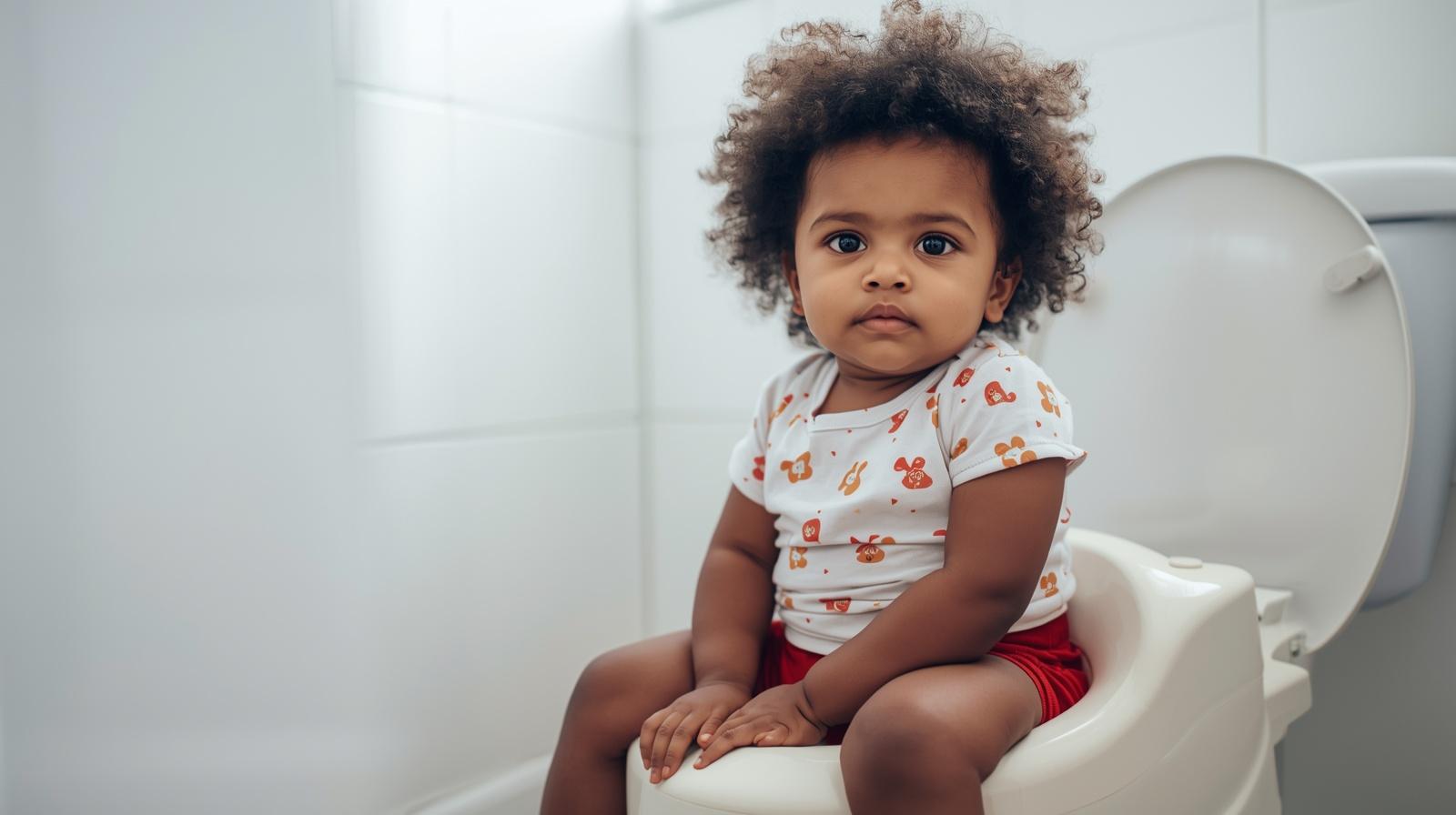
You finally decided it’s time. You bought the pull-ups, watched a few YouTube videos, and asked every mom you know for advice about best potty training seats. Then you opened Amazon and found 20 different potty training seats staring back at you, all claiming to be the best potty training seats. It’s a lot, but here’s the thing — the right seat can actually make potty training faster, calmer, and way less messy.
Choosing a potty seat isn’t just about picking the cutest one. It’s about finding a seat that makes your toddler feel safe, comfortable, and ready to try. The wrong seat can cause fear, resistance, and a whole lot of accidents, while the right one can turn a dreaded milestone into something your child actually looks forward to.
[→ Browse more toddler tips and mom-tested guides on Mom Kid Friendly!]
Why the Right Potty Seat Matters
Confidence is everything when it comes to potty training. If your toddler feels like they might fall in, they will refuse to sit. Fear of the toilet is more common than you think, and a well-fitted seat removes that fear fast.
Comfort also plays a huge role in how long your child will sit. A seat that pinches or wobbles sends kids running before anything happens. The best toddler potty seats are shaped to support little bodies so they can relax and do their thing.
The right seat also reduces power struggles. When kids feel in control and comfortable, they cooperate more. That alone is worth every penny you spend.
Must Read: Best Potty Training Watch: The Tool for Fewer Accidents
Types of Potty Training Seats
Standalone Potty Chairs
Potty chairs sit directly on the floor and look like a mini toilet. They’re great for toddlers who feel nervous about height. Many kids prefer them because they can get on and off independently.
Toilet Seat Reducers
These sit on top of your regular toilet seat and make the opening smaller. They’re a popular choice for parents who want to skip the two-step transition from potty chair to toilet. Some come with handles, which gives toddlers extra stability and confidence.
Built-In Toddler Toilet Seats
Some toilets now come with a built-in smaller seat that flips down when needed. This is the most seamless option, but it requires a bathroom upgrade. It’s a great long-term investment if you’re remodeling or buying new fixtures.
Travel Potty Seats
Foldable travel seats are lifesavers for outings, road trips, and public restrooms. They’re lightweight, easy to wipe down, and fit in most diaper bags. Every mom who’s been caught without one knows exactly how important they are.
What to Look for in the Best Potty Training Seats
Here’s a simple checklist to keep in mind when you’re shopping:
- Non-slip base: Prevents the seat or chair from sliding, keeping your toddler safe
- Splash guard: Important for boys to prevent messes from going everywhere
- Easy-to-clean design: Removable bowls and smooth surfaces make cleanup much faster
- Lightweight but sturdy: It should be easy for little ones to manage without tipping
- Comfortable fit: Look for a contoured shape that supports small toddlers without pinching
A seat that checks all these boxes will make daily use much smoother. Don’t skip the splash guard if you have a son — you’ll thank yourself later. And always check reviews for real mom feedback on how easy the seat actually is to clean.
Potty Chair vs. Toilet Seat Reducer
The Case for Potty Chairs
Potty chairs are low to the ground, which means toddlers can get on and off without help. That independence is a big confidence booster, especially in the early stages. They’re also great for kids who feel scared of the regular toilet.
The Case for Toilet Seat Reducers
Toilet seat reducers skip the transition step of moving from a potty chair to the real thing. If your child is already comfortable in the bathroom, a reducer can speed up the whole process. They’re also easier to store since they don’t take up floor space.
Which Works Best for Your Child?
Shy or anxious toddlers tend to do better with standalone potty chairs at first. Independent, curious kids often take to toilet seat reducers quickly. Watch how your child reacts to the toilet, and let that guide your choice.
Must Read: Best Disposable Training Pants for Toddlers
Signs Your Child Is Ready
Potty training works best when your child shows these signs of readiness:
- Staying dry for longer stretches during the day
- Telling you before or after they go — even if it’s just pointing at their diaper
- Hiding to poop (a classic sign they know something is happening)
- Showing interest in watching you or others use the bathroom
Most kids show these signs somewhere between 18 months and 3 years. Don’t rush it if you’re not seeing them yet. Waiting a few extra weeks can save weeks of frustrating setbacks.
Common Mistakes Parents Make
Starting Too Early
Starting before your child is ready leads to more accidents, more stress, and more resistance. Readiness signs matter more than age. Give it a little more time if things aren’t clicking.
Switching Seats Too Often
Consistency matters a lot during potty training. Switching between a potty chair, a reducer, and a public restroom seat in the same week can confuse toddlers. Pick one main setup and stick with it until your child feels confident.
Forcing Long Sits
Making kids sit on the potty for long periods creates negative associations fast. Keep sit times short and positive — about 3 to 5 minutes. If nothing happens, just say “Good try!” and move on.
Skipping Positive Reinforcement
Sticker charts, high fives, and tiny celebrations work. Kids respond to encouragement far better than pressure. Keep the energy upbeat even when there are accidents.
Cleaning and Hygiene Tips
A potty seat that’s hard to clean becomes a chore you’ll dread. Wipe down the seat daily with a gentle disinfectant spray. A quick 30-second routine after each use keeps things fresh and hygienic.
Do a deeper clean every few days by removing any bowls or inserts and washing them with warm soapy water. Dry everything thoroughly before putting it back together. This prevents bacteria buildup and keeps the seat smelling clean.
Teach your toddler basic handwashing habits right from the start. Make it a non-negotiable part of the routine, not an afterthought. A fun foaming soap or a step stool can make handwashing feel exciting rather than annoying.
Travel and Public Bathroom Strategy
Public restrooms can feel huge and scary to a small child. Keeping a foldable travel seat in your diaper bag removes most of that anxiety. It also gives you a hygienic barrier between your toddler and public toilet seats.
When you walk into a public restroom, stay calm and upbeat. If your child hesitates, narrate what’s happening in a simple, reassuring way. “This toilet is just like the one at home — and we have our special seat!” goes a long way.
Quick setup matters when you’re rushing. Practice folding and unfolding your travel seat at home so you can do it fast under pressure. Some foldable seats even fit in a small wet bag, which makes cleanup on the go much easier.
How to Choose the Best Potty Training Seats for Your Child
Every toddler is different, and the best potty seat is the one that fits your child’s personality and your daily routine. Here’s a quick final checklist to help you decide:
- Anxious or cautious child? → Go with a standalone potty chair first
- Independent and curious? → Try a toilet seat reducer with handles
- Frequent outings? → Add a foldable travel seat to your bag
- Small bathroom? → A seat reducer takes up less space than a chair
- Tough to clean? → Look for a one-piece design with a removable bowl
Think about where most accidents happen, what scares your child, and how much cleanup you can realistically handle. Your answers will point you straight to the right choice. The best potty training seats aren’t the most expensive ones — they’re the ones your child will actually use.
You’ve Got This, Mama
Potty training is one of those milestones that feels overwhelming right up until it clicks. The right seat makes a real difference — it builds confidence, reduces fear, and turns the toilet into something normal instead of scary. You don’t need to be perfect. You just need a plan, a good seat, and a little patience.
Every child gets there in their own time. Trust your instincts, keep the vibes positive, and remember that accidents are just part of the process. At Mom Kid Friendly, we’re rooting for you every step of the way.
[→ Have a potty training tip that worked for your family? Share it in the comments — another mom might need it today!]
Must Read: Best Pull Ups for Potty Training: A Mom’s Guide to Success
Frequently Asked Questions
What are the best potty training seats for beginners?
The best potty training seats for beginners are usually standalone potty chairs because they sit low to the ground and feel less scary for toddlers who are just starting out.
At what age should I buy the best potty training seats?
Most toddlers are ready between 18 months and 3 years old, but readiness signs matter more than age when choosing the best potty training seats.
Are potty chairs or toilet seat reducers better?
The best potty training seats depend on your child’s personality. Anxious toddlers often prefer potty chairs, while independent kids may do well with toilet seat reducers.
Do I need a travel option along with the best potty training seats at home?
Yes, having a foldable travel seat helps maintain consistency and reduces fear in public bathrooms while supporting your routine.
How do I clean the best potty training seats properly?
Wipe the seat daily with a gentle disinfectant and deep clean removable parts every few days with warm soapy water.
Can the wrong seat delay potty training?
Yes, an unstable or uncomfortable seat can cause fear and resistance, which may slow progress.
Are splash guards necessary for boys?
Splash guards are highly recommended for boys because they reduce mess and make cleanup easier.
How many potty seats should I have?
Most families do well with one main seat at home and one foldable travel seat for outings.
Author

